

Gojira94
-
Posts
718 -
Joined
-
Last visited
Content Type
Profiles
Forums
Gallery
Everything posted by Gojira94
-
I haven't seen an equivalent electrical manual for 89-90 yet, but the 88 manual is virtually the same. The big 2 plug connector on the cowl above the brake booster was done away with in 89, so you're fortunate in that regard. Mine's an 87 but it had an 89-90 harness in it. The 88 manual will pretty much cover everything you're trying to do, just ignore any instance of "C101" you see. And... welcome to the forum.
-
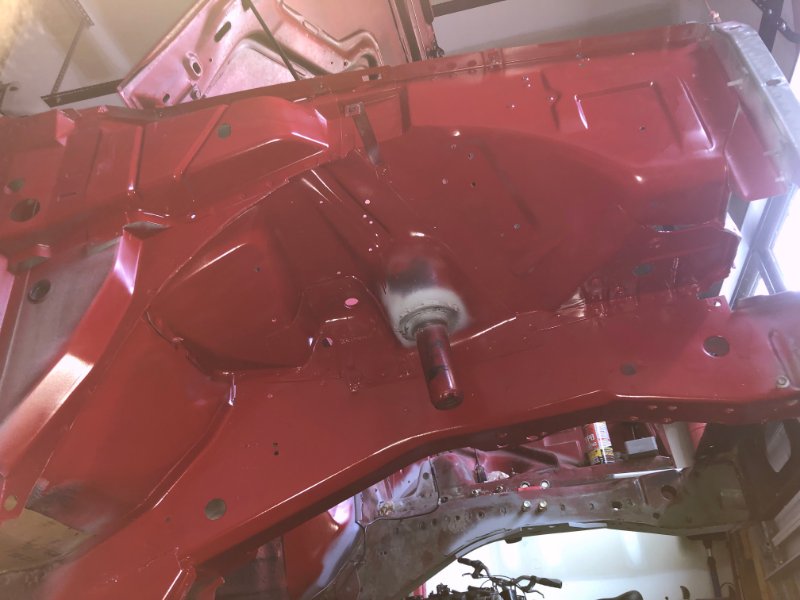
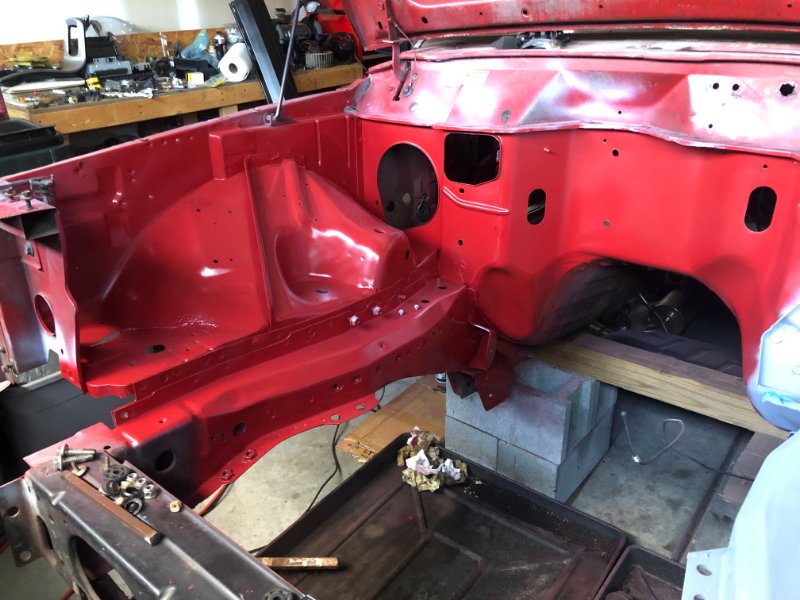
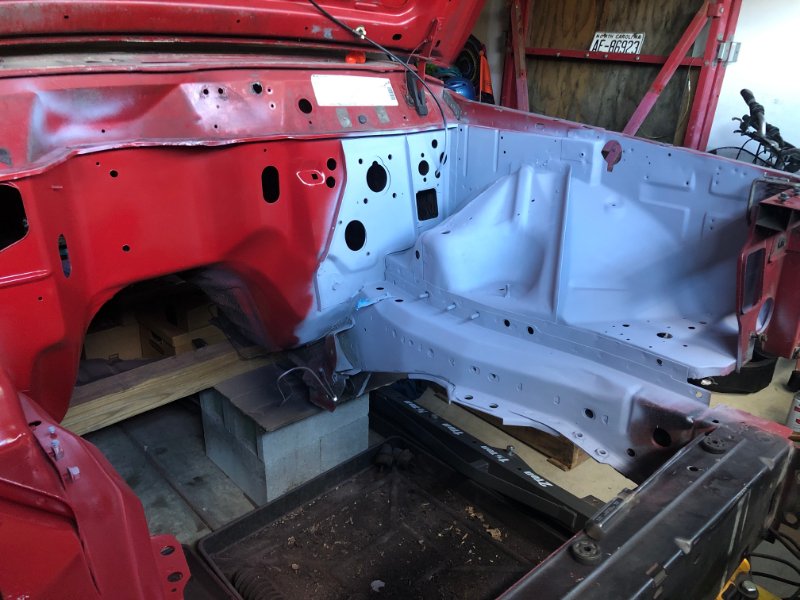
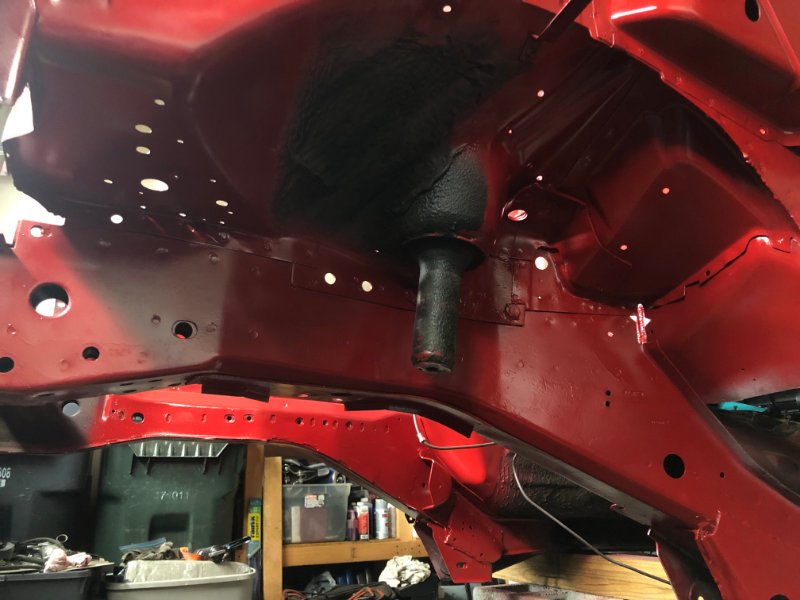
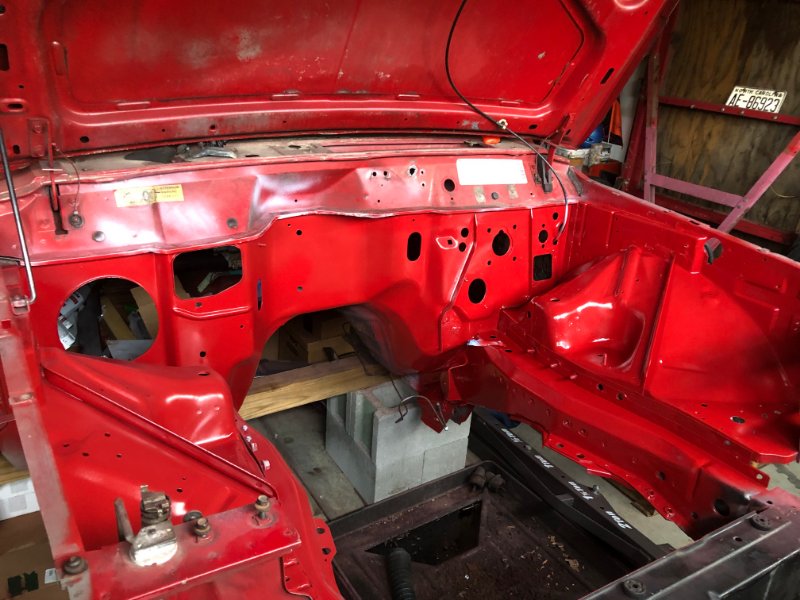
OMFG I've gotten so sick of endless scraping and wire wheeling and acetone baths... I'm within a hair of being able to slip the D30 under it in the next week. Then I can work on my back scraping all the crud from under the floor pan, prep for welding and get the floor patches in. Heck, I might be ready to start it by the end of May... After I do the lower cowl, my new labels from BoxyJeep are going on. One more little thing, but it'll be awesome.
-
...and black lock cylinder. Just need to paint it black, wrap the wheel and keep an eye out for a black horn pad (that'll take forever).
-
Typo there in your year - 1988? Here's the Electrical manual, that'll be of endless assistance to you. 20473025_1988MJElectricalManual.pdf
-

Searching for the elusive unicorn.
Gojira94 replied to Dandxj's topic in MJ Tech: Modification and Repairs
Yeah, my LC-2 in my other truck can do one of its 2 outputs to 0-1V narrowband emulation for a factory ECU that uses a 0-1V signal. Or you can have 2x 0-5V signal wires (ostensibly one for a gauge and one for an ECU to use to control fuel trims in the 0-5V range). If the WB controller firmware is set properly for the fuel type and what voltage = 14.62-14.7 AFR then all should be good. I thought the pulldown resistor would somehow interfere with a direct 0-5V input, since the OE design does not generate its own voltage and relies on the ECU to provide it at the input pin. I'd love to have a REM but my timing is off with Nick's production, as he's just had a baby and stock of some of the stuff he needs to make the REM is in short supply (or was). Innovate LC-2 is a VERY nice controller, selling for $169 these days. I've sent a message to NGK/NTK support. If that goes nowhere I'll look into a standalone unit like the LC-2. But that's not a solution for everybody who just wants a plug in sensor that works like OE. -
Searching for the elusive unicorn.
Gojira94 replied to Dandxj's topic in MJ Tech: Modification and Repairs
That's the way I'm reading it for grounds, thanks for clearing it up on how the fixed resistor in the ECU works. I'm very familiar with GM stuff's "5V reference" but Renix is still a black box to me for the most part. So even a standalone wideband controller supplying a 0-5V signal would be out of the question. I recalled I ordered my sensor direct from NTK, not Autozone. I'm going to request product support and see where it goes. At least see if I can have a conversation with them about it. Wish me luck. -
Searching for the elusive unicorn.
Gojira94 replied to Dandxj's topic in MJ Tech: Modification and Repairs
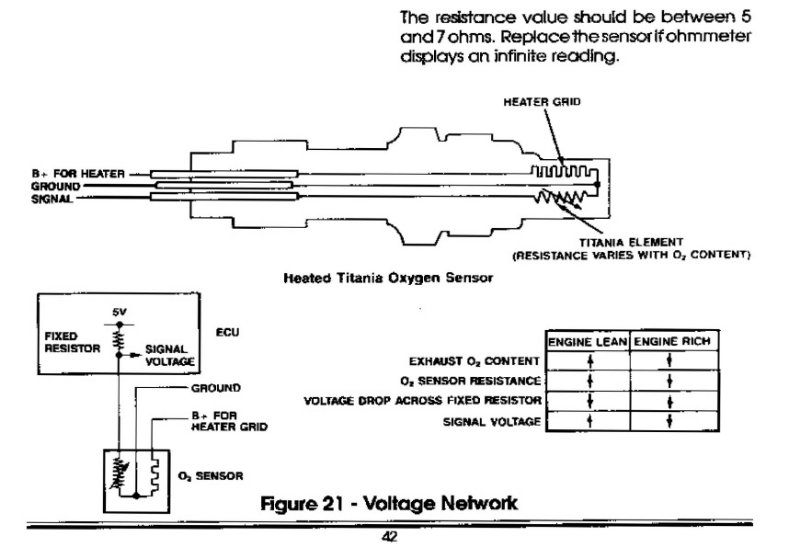
I purchased an NTK a while back through a Local Autozone, thinking I'd be good when it all comes together. The picture showed a ceramic body, got one with a metal body. Saw recent chatter about NTKs no longer being any good. I pulled it out of the box and poked my meter leads through the bag and got 4.7-4.8 ohms. Manuals call for 6, I think with 5-7 being acceptable. Great... So... theoretically, if there was a sensor out there that was known to reliably have a heater grid circuit resistance of 6 ohms with a 0-5V range output, it could be adapted. I think even a 4 wire could have its signal ground wire joined to the heater circuit ground, since there is a fixed resistor in the ECU behind the pin that receives signal voltage from the sensor. LSU 4.2 and 4.9 are out of the question, as typical universal 6-pin, 0-5V output "wideband" sensors require a standalone controller. I run an Innovate LC-2 controller in my 92 C1500. It has 2 output wires with a 0-5V signal and uses a relay (not included, you must install) to control the heater circuit and controller power. I'd like to think a 0-5V signal direct to the ECU would work but I don't know the signal voltage characteristics coming straight off the signal wire from the Renix O2 sensor. If the fixed resistor in the Renix ECU in some way shapes or regulates the incoming O2 signal for use as an input, I have no idea what the nature of that is. Wish I did.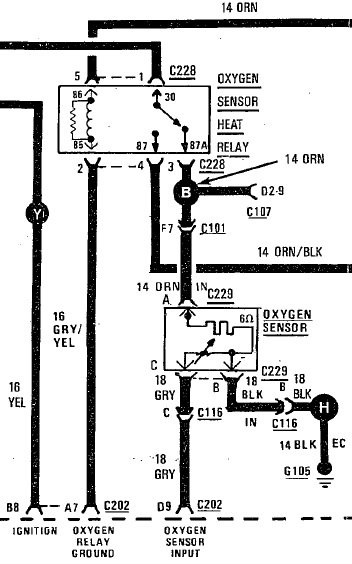
-
Experimental options for washer tank
Gojira94 replied to Gojira94's topic in MJ Tech: DIY Projects and Write-Ups
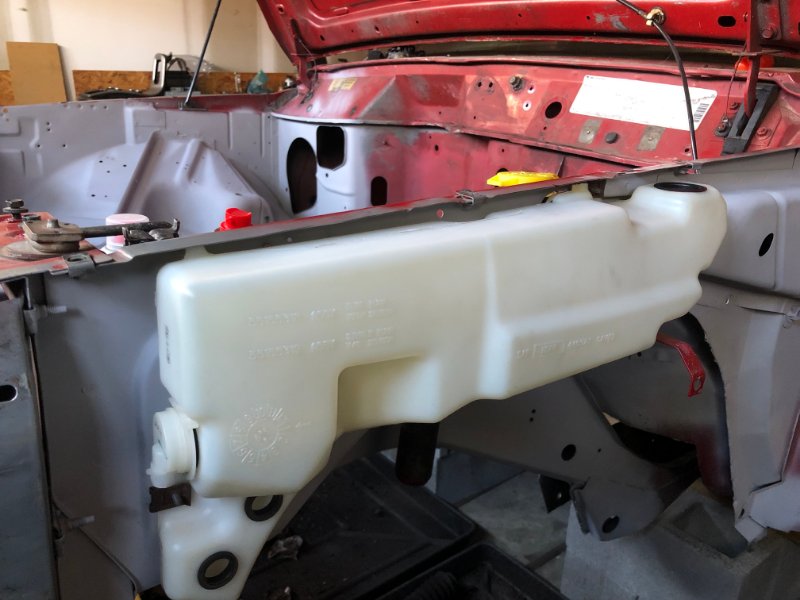
I bagged the idea of finding something else that would fit. A used 97-01 tank at my local yard is like $13 so I grabbed one. Poked 2 holes to mount it and made the filler neck hole free-hand with a Dremel. For those that have done this on MJ that had the old style tank, what did you do about the 97-01 tank being equipped with 2 pumps? Cap one hole, or power both pumps, connect the tubes with a Y for monsoon level spray, or what? I grabbed about 4 feet of the wiring for both pumps and the level sensor while I was at it to extend the reach and at least tie into C169 for a single pump setup. Being that my cluster and engine harness came from an unknown 89 or 90 XJ or MJ, the engine harness also has connectors C168 and C195 for level sensor and rear pump. However, the original 87 IP harness is missing the pin(s) between engine harness and cluster for 'Low Washer.' That's an easy one to add though. I think common sense says to cap one hole, run a single pump, and add the low washer pin, just as a nice to have?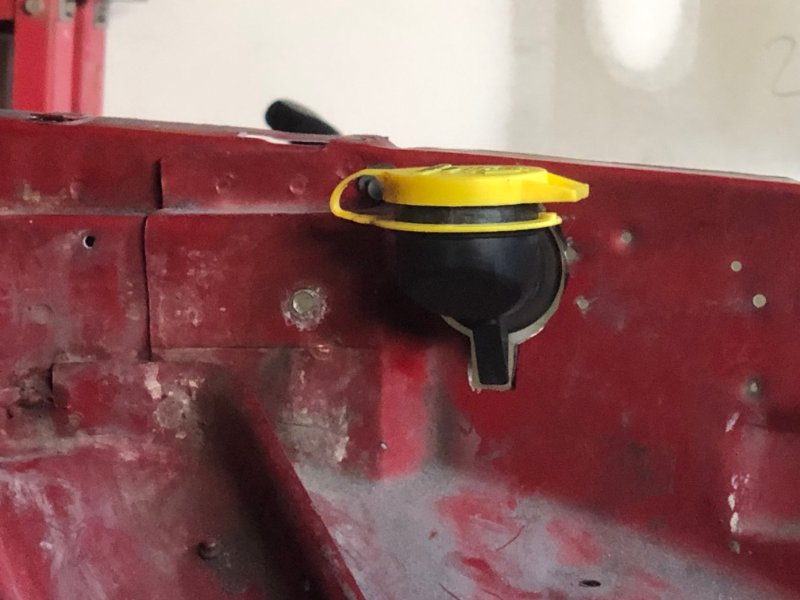
-
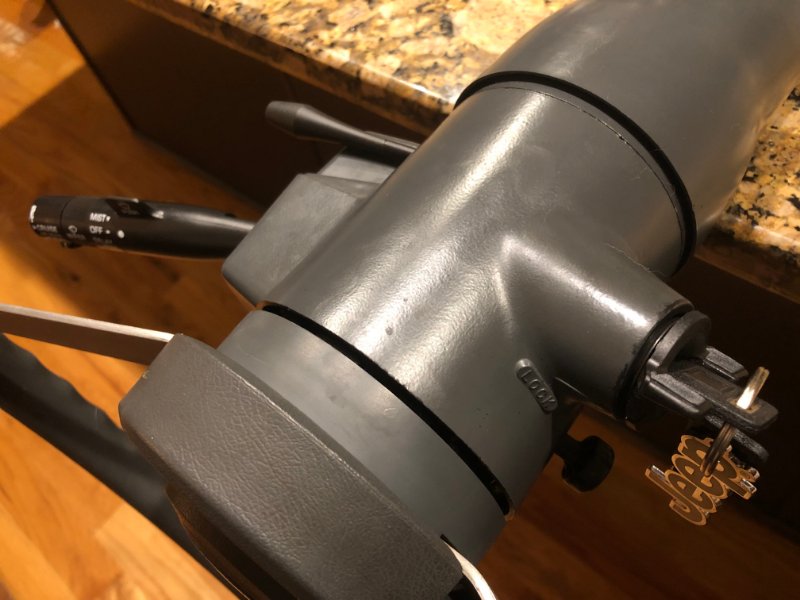
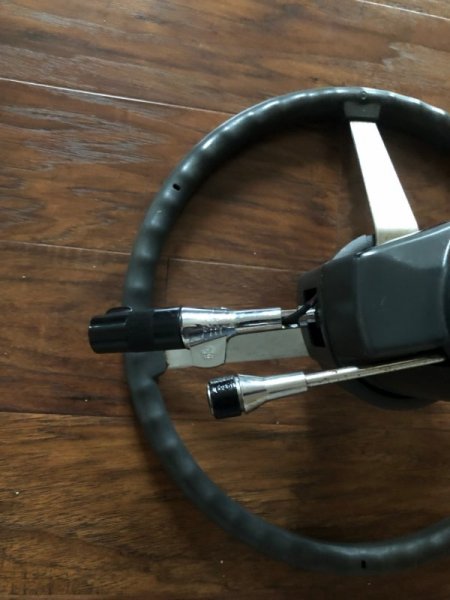
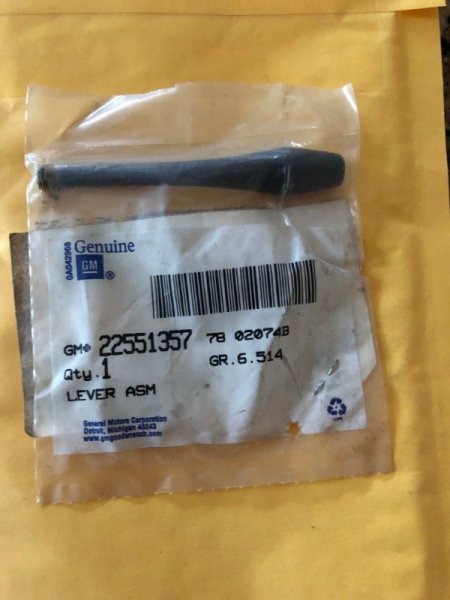
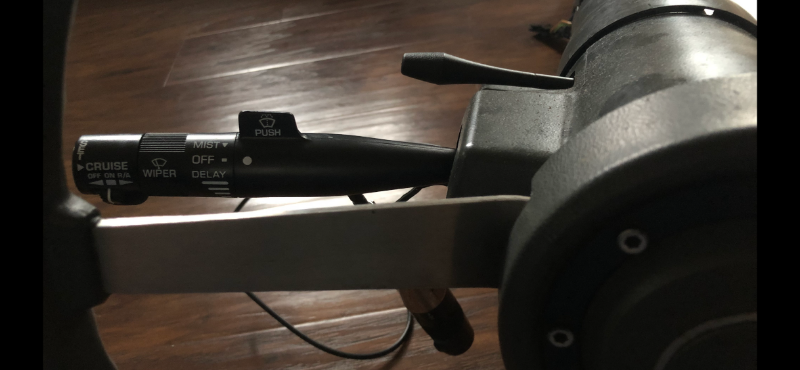
This steering column has been rolling around in the trunk of my Accord for almost 2 weeks, getting a chance to play with it. First, I don't like chrome (blasphemy/ sacrilege, I know). Just like the one in my 94 Firebird Formula- I like a shorter tilt lever, in black: Same for the turn signal lever/ cruise switch:
-
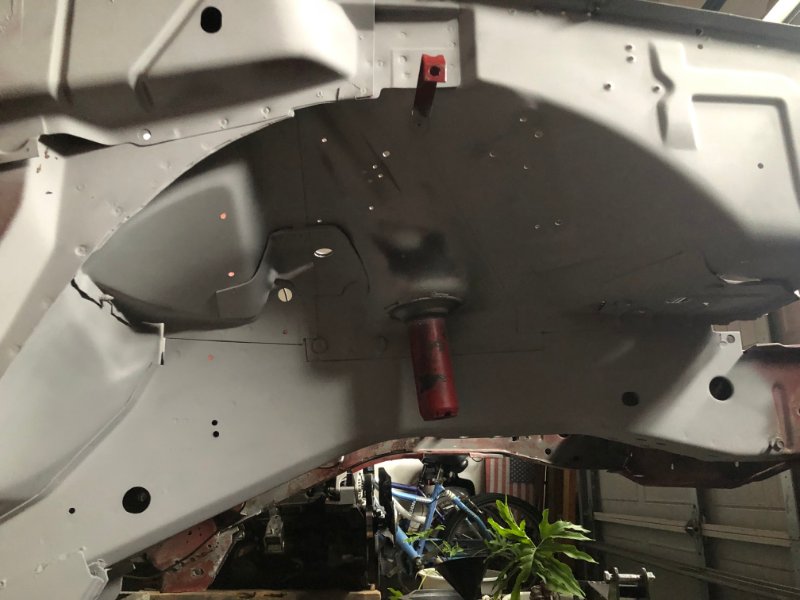
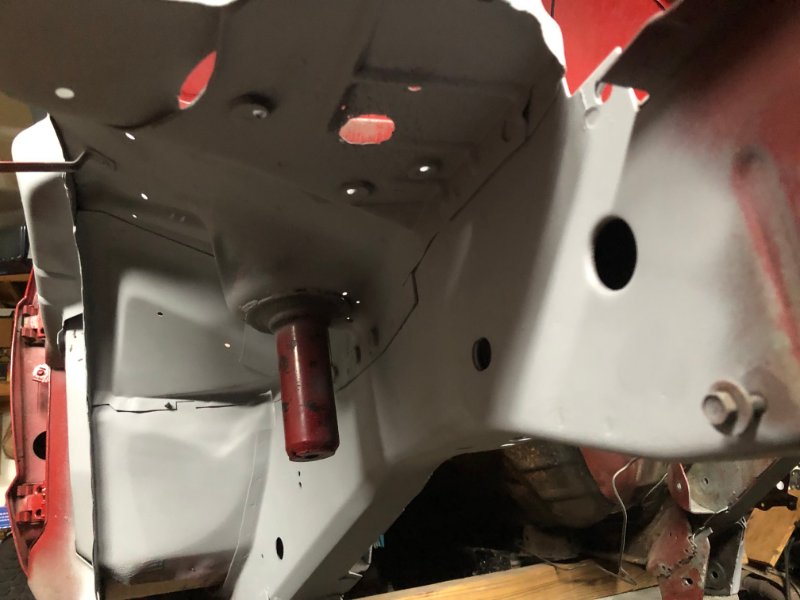
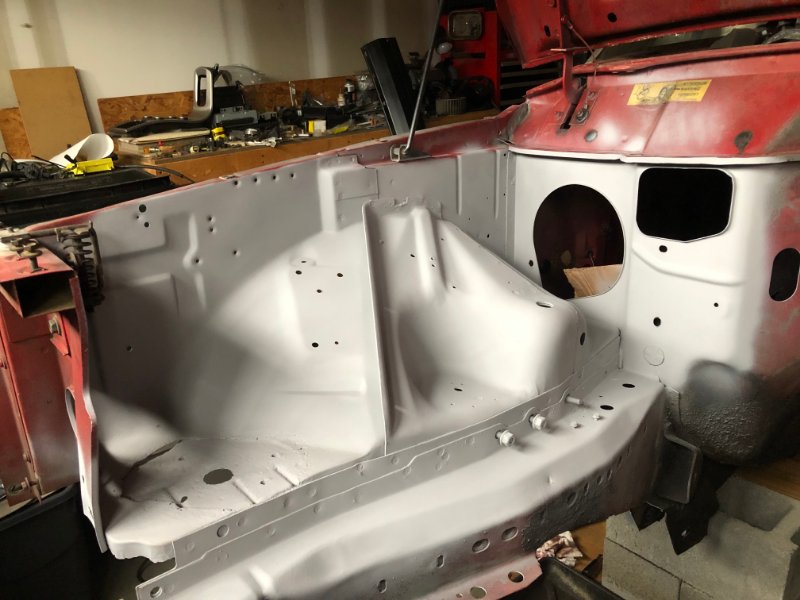
Section by section, bit by bit. Cleaning off a ton of welding boogers from the assembly line as I go. Passenger side lower wheel house: Upper side: Got all the cancer out of the battery tray mount for now, I'll want to revisit and replace both layers of metal. Top layer is pretty much gone altogether.
-
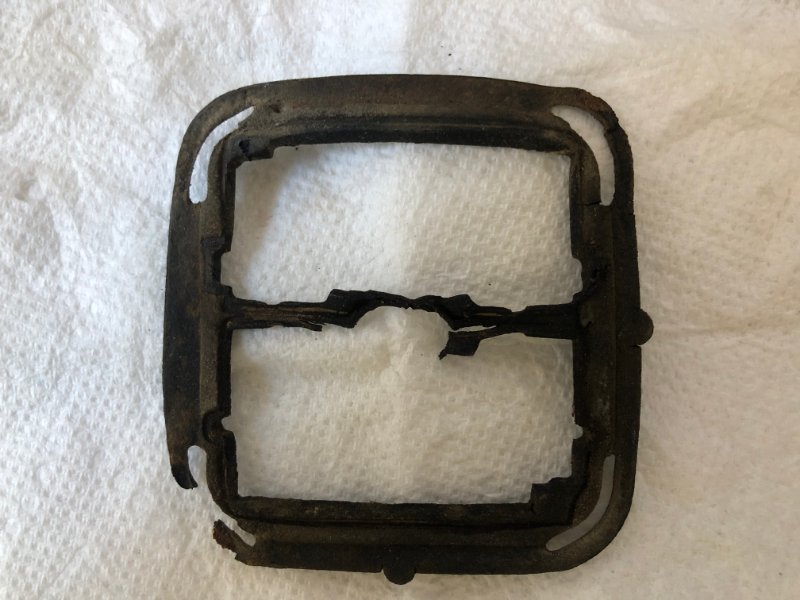
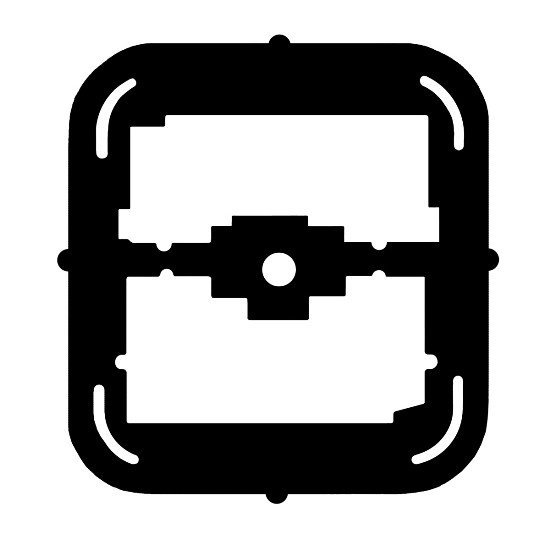
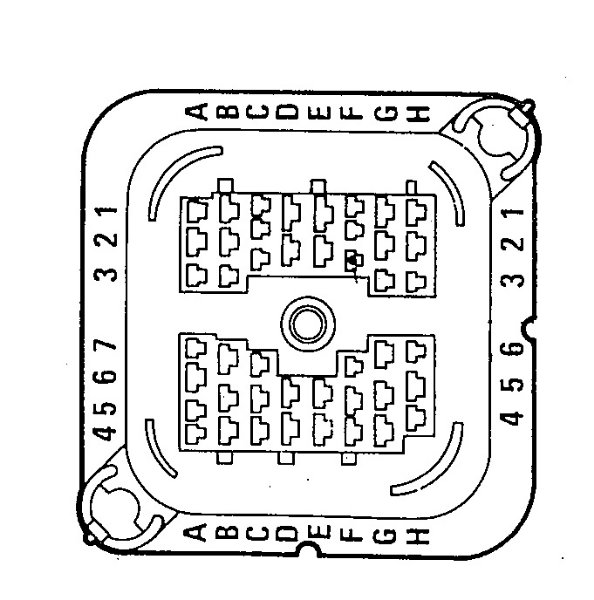
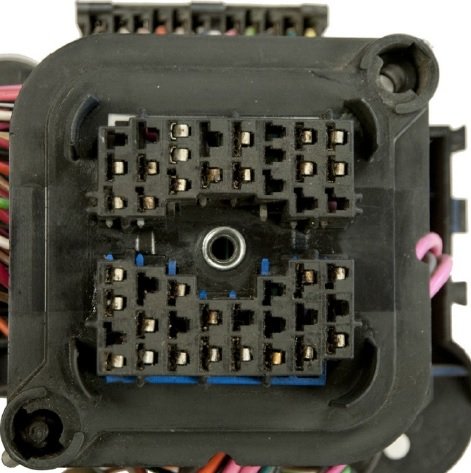
Here's what's left of my old one, compared to the one from Casper's. Looks like an (almost) perfect match. Ordering now lol. GM and AMC both referred to the connector as "C100." AMC C100 vs GM C100 (88 Electrical Manual image vs the one in the Casper's 107149 install instructions)
-
Injector loom rebuild
Gojira94 replied to dreaminbohemian's topic in MJ Tech: Modification and Repairs
REM Codes: A) Baro Pressure Low - probably expected with low RPM idle and running rough B) Bat Voltage Low - not sure, but maybe from sitting since the night the incident occurred. Charge batt before next attempt. C) Distributr Sync - also not sure, maybe because the low RPMs are below what the ECU uses to confirm distributor sync signal (out of range to be useful) ECU Codes - 1 through 7 below suggest the ground wires got tugged pretty hard and taking the corrugated loom off the harness up as far as just past the engine speed sensor and posting some pics might help us spot some damage not seen before. 1) Injector 3 Short 2) Injector 4 Short 3) Injector 6 Short 4) Injector 2 Open 5) Injector 3 Open 6) Injector 4 Open 7) Injector 5 Open 8) Fuel Not Primed 9) ICM Signal Open 8-9 above not sure, possibly #8 related to low batt voltage at start, #9 due to lack of signal as a result of distributor sync signal not valid/ available due to C) above. -
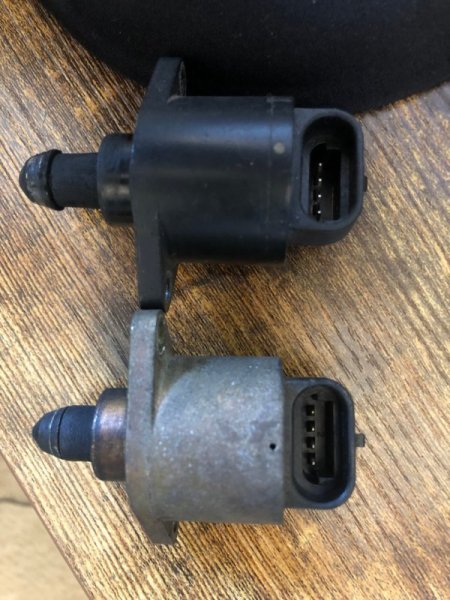
Finally going to get the questions answered about the IAC wiring differences between the Renix and HO IAC. I've seen everything with diagrams and ECU pins but the question remains which pair moves the pintle in vs out, regardless of whether the wires are paired inside/ outside or left pair/ right pair etc. Just move my harness pins to get the desired behavior from the HO IAC motor, according to the Renix computer. I hope this boneyard Renix IAC (bottom) works... looks like a Duralast unit.
-
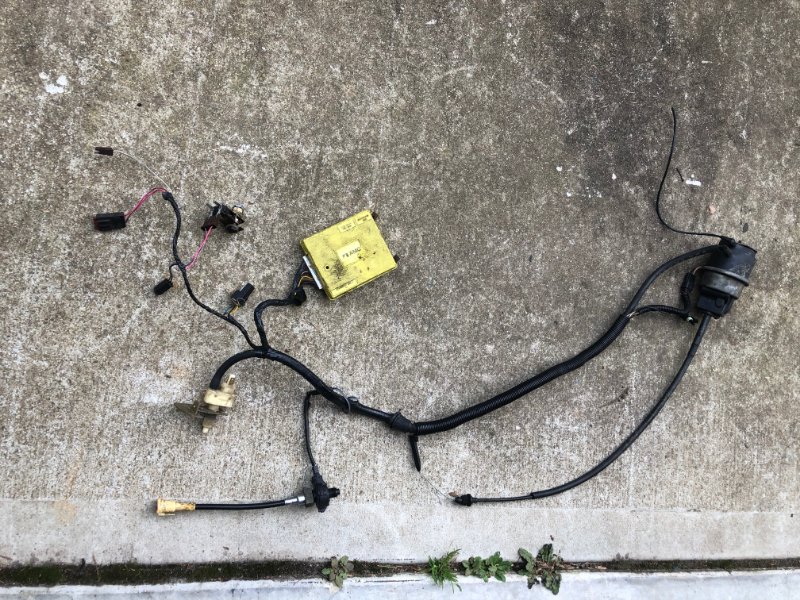
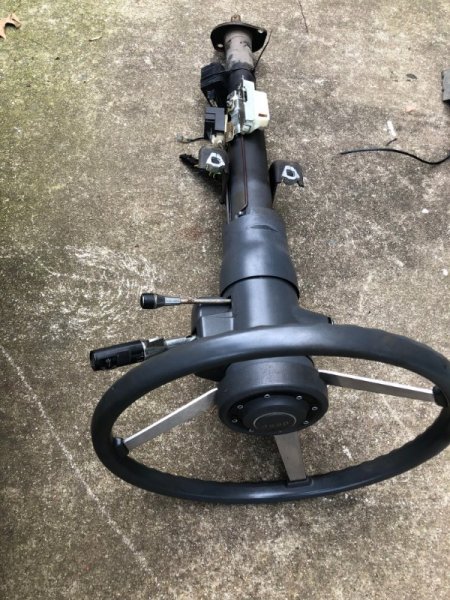
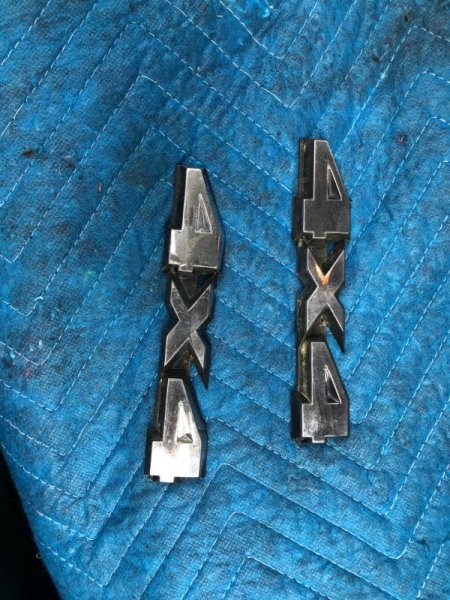
A big thank you to @Airborne Janitor and @eaglescout526. My rig will be getting cruise control! This thread convinced me to add it to my shopping list when an 89 XJ showed up at my local LKQ. My current column is non-tilt, no intermittent wipers and no cruise. I told myself I could live without these things but over time I wasn't convinced. Pulling all the parts together for cruise control online seemed a daunting task, and I'd missed the fact that eaglescout526 was selling kits. My current wheel is very noticeably bent, and has other issues, though it would work. Duplicolor 1634 is almost perfect for the lower collar and bowl, and I'll probably live with a grey wheel for a while, and swap the horn pad and have the wheel wrapped in black at some point. Also grabbed the pitted 4x4 emblems off the rear quarters. I'll probably black those out to match the rest of the truck and do the recesses in (Rustoleum) Colonial Red. Open to suggestions for black 4x4 emblems.
-
Thank you for sharing! I've been considering trimming a GM bulkhead variant that was close-ish. An exact part is beyond what I'd hoped, look forward to your conclusions.
-
Injector loom rebuild
Gojira94 replied to dreaminbohemian's topic in MJ Tech: Modification and Repairs
I had no idea... and thanks for explaining. So he'll need to find the black ground wire in what's left of his harness nub, maybe 3 black ground wires, depending on how far up the splice with the O2 ground is? And make a total of 3 grounds, separate and distinct from the Brown w/ trace wire for the CTS sensor ground to ECU?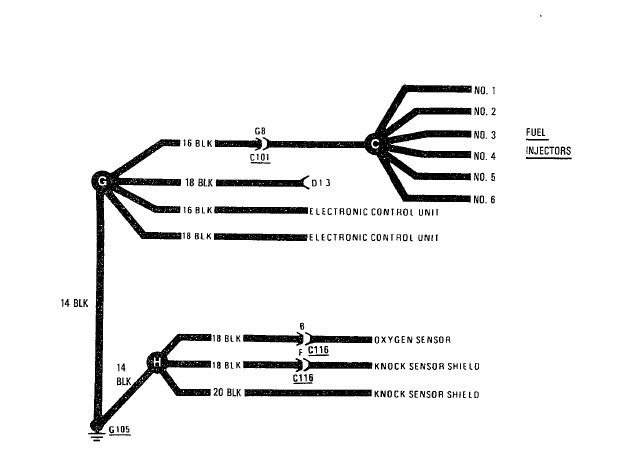
-
Injector loom rebuild
Gojira94 replied to dreaminbohemian's topic in MJ Tech: Modification and Repairs
Mine is 89-90, so no C101 but there should be no difference in dimensions from where injector 1 & 2 are and the end of the harness. From inj. 1 & 2's exit from the loom, I measure 38" to the tips of the connectors for knock, CTS and O2. 87 and 88 manual agree that the knock sensor wires are Yellow w/ trace, Violet w/trace. I didn't want to risk peeling open my knock sensor connector just yet, but the wire colors on my CTS and O2 connectors match up with 87-88 manuals as well. O2 (C229) - ABC is Orange, Black, Grey. CTS (C222) - AB is Brown w/ trace, Tan. Knock (C232) - AB is Yellow w/ trace, Violet w/ trace. Knock female connector is the same as any Jetronic/ EV1 injector connector, O2 male is same as any GM MAP sensor (and Jeep Renix up to 95 2.5/4.0), or 3-wire OBD1 GM O2 connector. CTS is common to many GM connectors, and is usually available in parts house stores, failing all else if your local boneyards come up dry.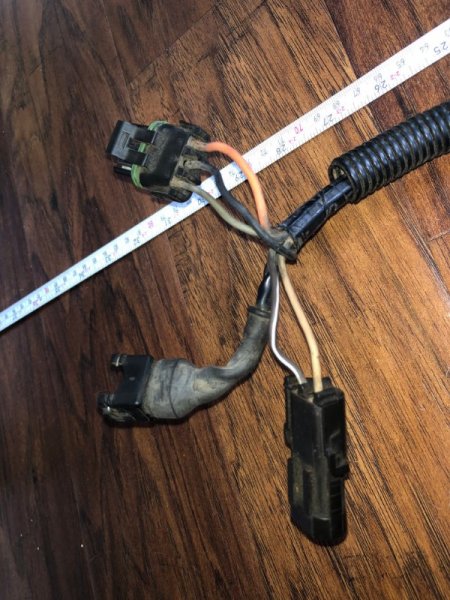
-
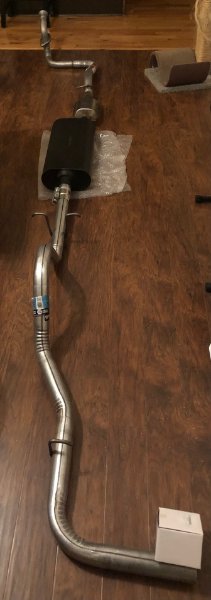
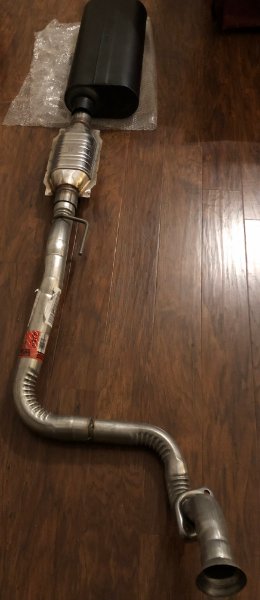
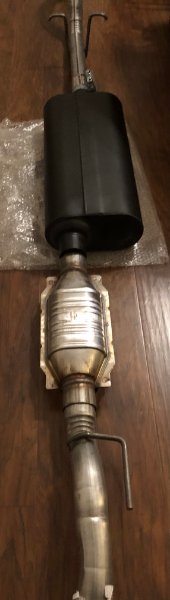
Exhaust mock-up: 55277 front pipe for post-Renix manifold, Magnaflow 94006 universal 2.5" cat, Flowmaster 70 series 2.5", Walker 46701 2.25" tailpipe. I may need to shorten the tailpipe at the head end 2-3" to make all the unions work. It'll still be a bit before I get to it though. I almost have a complete vehicle assembly staged with restored or new parts lol.
-
To me, looks like the rear diff ring is shimmed too close to the pinion for sure. At this point it’s not going to get any worse but backlash has probably opened itself up to > .020”. It probably ran somewhat hot soon after the installation but not really a concern with heat now. Likely a little too much backlash now, the R&P will wear out sooner than it otherwise would have but still many miles before you get to that point.
-
I did give him your regards, in person. Had a 3 day visit with him and his wife in Linville, NC December 11th-13th. Today is his 80th birthday, talked to him for quite a while earlier. We recalled his 40th birthday, which I remember (I was only 13). His side of the family were funeral directors, though he opted for a law degree after Vietnam and not too long ago retired from international finance law. Back then, my grandfather hooked my dad's law partners up with a hearse and pine casket to ferry him to his surprise party at a restaurant on College St. in downtown Charlotte. A good time was had by all. So... your birthday is coming up in a few weeks. Early Happy Birthday from me and my old man.
-
Fenders are hideous, interior is atrocious (30k for idiot light cluster and a dash cover??). Kinda the same class as a ridiculously overdressed hooker with cartoonishly sized b00bs.
-
Here's the setup I'm building - not exactly cheap with a $200 muffler but the rest is inexpensive, easily had, and adapted. What I'm doing works for 91-92 HO applications, while 87-90 4.0 would be a different story. 87-90 Manifold and downpipe options would be OE, but cutting off the converter flange would open up options for more custom 2.25" cat and muffler choices between downpipe and tailpipe as well. Mine: 91-99 HO manifold (already have one on the 93 YJ drivetrain I acquired, manifold is practically new) Walker 55277 96-99 XJ downpipe (largest inner diameter of all of them at 2.5" but it does neck down closer to 2.25" in a couple of spots and back up to 2.5" and no big dent behind the inlet flange) Magnaflow 94006 cat (15.75" overall length, 3.75" thick, 6.5" wide, 2.5" ID, rated for 6000lbs, 2-way ceramic honeycomb, 47-state OBD1 approved) Flowmaster 52571 (70 series, 2.5" offset inlet, center outlet, 28" overall length, 5" H x 10" W x 22" L body). I wanted something deep and quiet with minimal flow resistance. Walker 46701 86-92 2.8/2.5/4.0 tailpipe until I can have one duplicated in 2.5" at a local shop. Napa is tightly partnered with Walker so short wheelbase pipes are not hard to get. Long bed part is 47605, 86-92 2.8/2.5/4.0, availability somewhat less. Couple short pieces of 2.5" OD pipe and a 2.5" OD to 2.25" ID reducer in the meantime. I can size the joins at the downpipe to converter and converter to muffler so the overall distance between the downpipe and tailpipe remains the same without cutting either, or moving the tailpipe hangers before I have the 2.5" tailpipe made. I ripped out the glass matting under the carpet on the passenger side when I pulled the interior. To shield the passenger floor from converter heat I've found a neat resource in any boneyard, anywhere. I look for full-size GM trucks and pull one of their heat shields. Stick your head under one and you'll see what I'm talking about. You can trim them to whatever size and shape you want (they're huge). Use tin shears, plus eye and breathing protection, as there's fiberglass fill in them. Then roll and crimp the cut edges back together. Mounting one under the floor isn't rocket science, GM shields have at least 2-3 mounting tabs you can re-use. You can grab one very close to the size and shape you'd want anyway.
-
I've spent some time recently going through options myself, though I'm doing a blend of OE and custom parts. Here's what I found during that search: https://www.rockauto.com/en/moreinfo.php?pk=8626088&cc=1181775&pt=5860&jsn=857 Manifold with the flexible sections between 1-2, 5-6, less prone to cracking from what I've read here and there. It fits 91-92 MJ, 91-99 XJ, 91-96 YJ, 97-99 TJ, 93-98 ZJ. https://www.rockauto.com/en/moreinfo.php?pk=135706&cc=1181775&pt=10038&jsn=853 Walker front pipe for MJs with cat (square flange) Muffler- many choices for 2.25" offset in/ center out in a 21-ish inch length, whatever suits you https://www.rockauto.com/en/moreinfo.php?pk=129238&cc=1181775&pt=5808&jsn=867 Walker cat assembly. CARB compliant cats are over $600. What state are you in? Tailpipe- Walker has both 6' and 7' box pipes Rubber insulators are available for either/ both. Stock hangers are fine if they're intact and you're essentially doing OE replacement parts
-
Upper radiator mount fasteners Mopar part 11502722, need 4 discoed Hex flange nut M5x.8 Upper radiator mount fasteners 2 Mopar part 11503745, need 2 discoed Hex nut M6x1 Upper radiator mount fasteners 3 Mopar part J4001083, need 2 discoed M6 washer (for Renix or HO 4 litre)
-
How hard do you crank it?
Gojira94 replied to WranglerMangler's topic in MJ Tech: Modification and Repairs
You might consider using the plate for a crank hub puller as your leverage point instead of the crank bolt. 3 bolts to share the load and leave the crank bolt out of the equation. And a replacement crank bolt will need to be 10.9 strength. Almost nobody has ARP crank bolts as a stock item but you can get one shipped pretty quick. Install it once all is freed up. Pull the old one out now if you can, or make sure it's broke loose and leave it in, backed out about 1/4 turn. That way if you cause any more damage to the head it'll come out by hand.