Gojira94
-
Posts
718 -
Joined
-
Last visited
Content Type
Profiles
Forums
Gallery
Everything posted by Gojira94
-
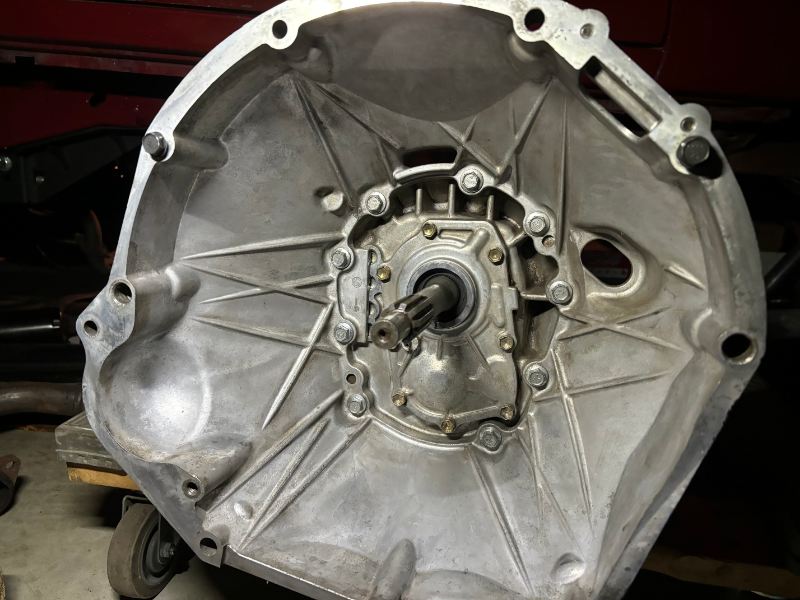
Trans is ready for clutch parts. Started cleaning the outside of the case last night, finished everything up just a bit ago. Pulled the bellhousing to make pulling the input seal/ bearing cover easier. Just need to swap the shift tower (taller one from a TJ with a shorter throw). Engine cleanup and Craigslist rebuild ~tssst... tssst~ is next.
-
Thank you, sir... trying to speed things up now!
-

Project Morris: The 89 to 99 Comanche Long Bed
Gojira94 replied to RuBacon's topic in Member Projects: Your Comanches
You've managed to get more done in 4 months than I have in 2 1/2 years... awesome work! -
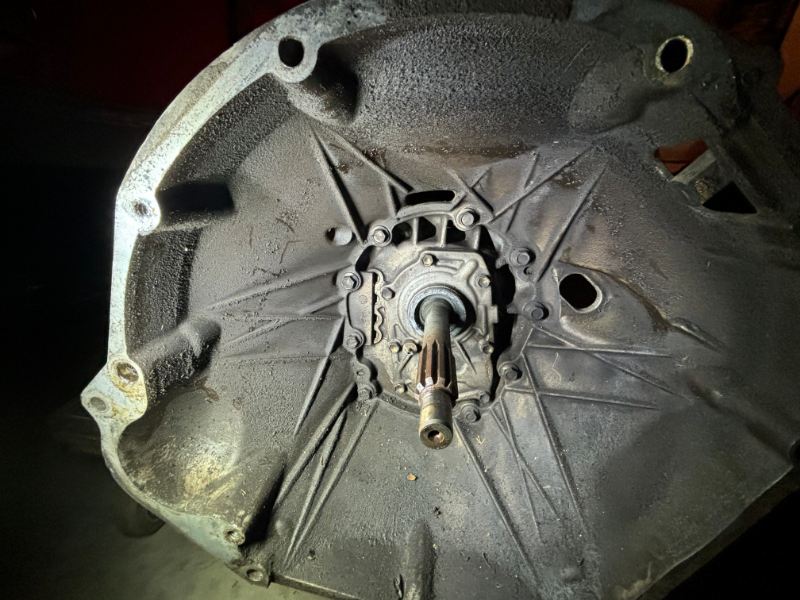
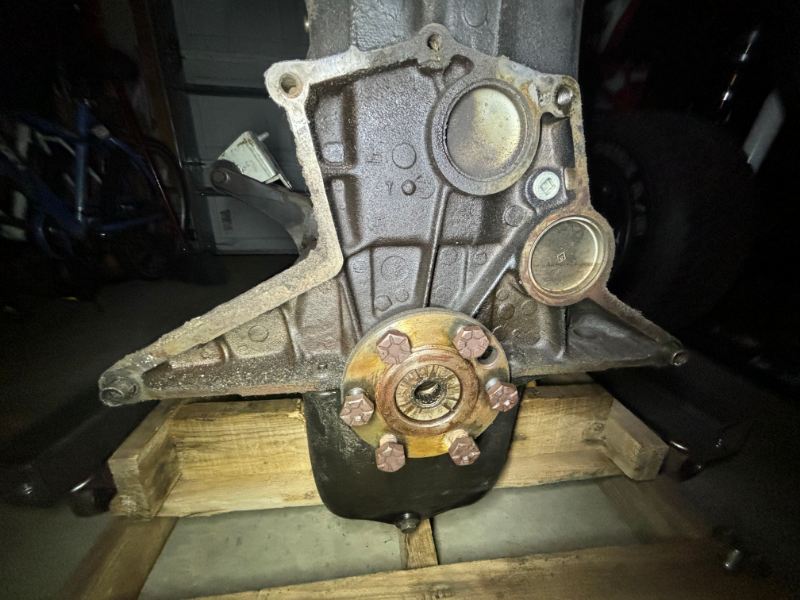
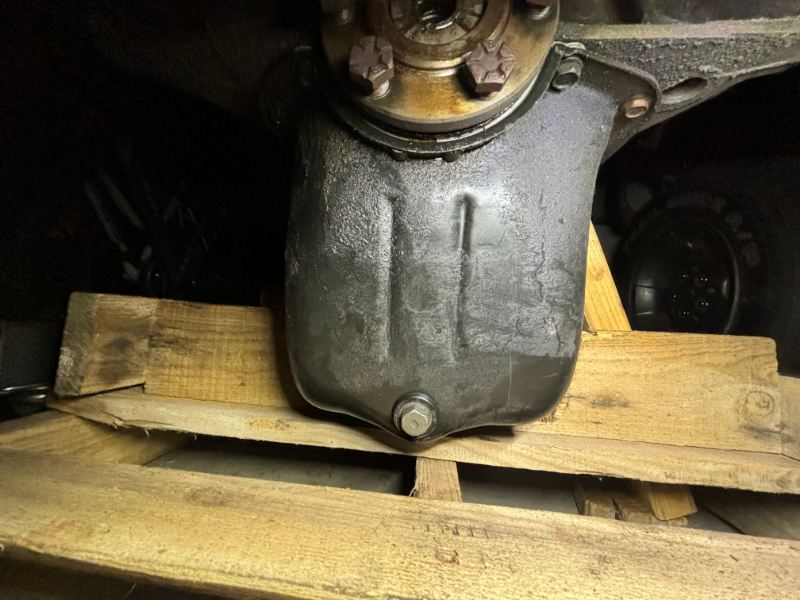
Here's what's next- cleanup, rear main, input shaft seal, new pilot bearing. The clutch kit and HO flywheel that came out were pretty new but I'd already gotten a new clutch, Renix flywheel and ARP bolts.
-
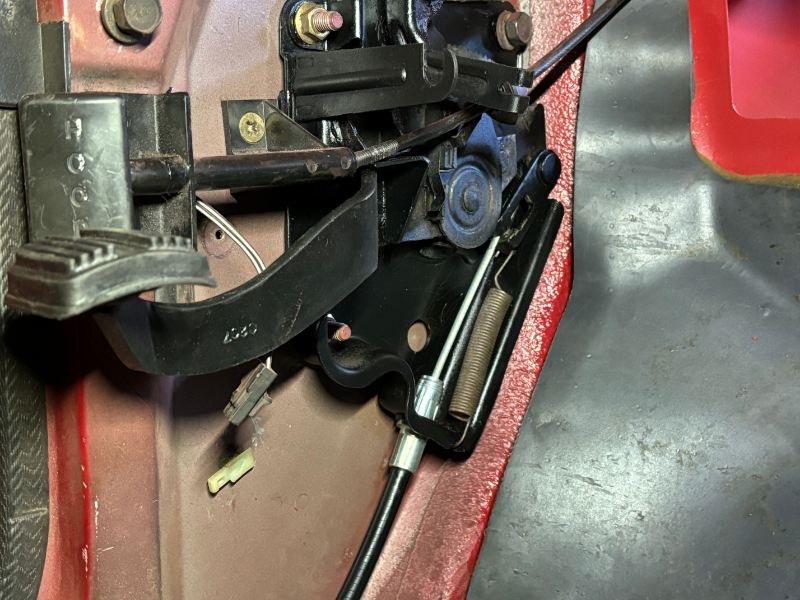
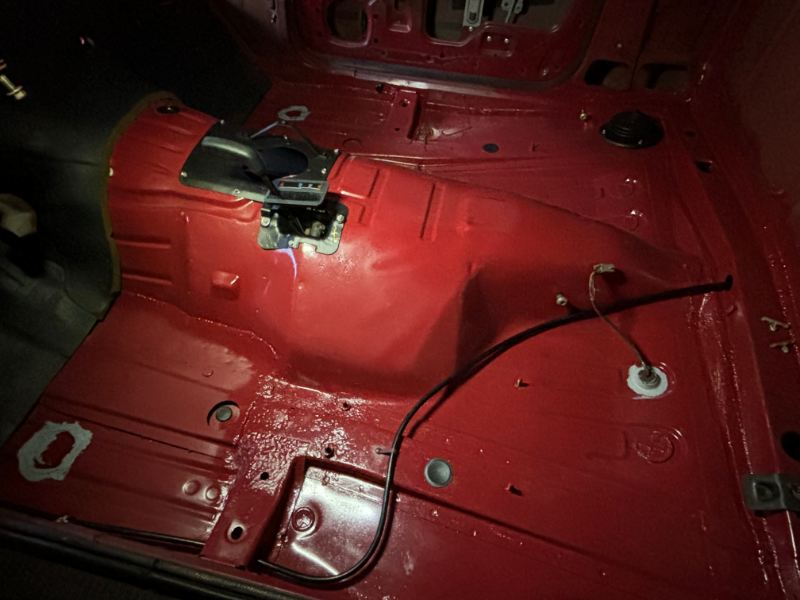
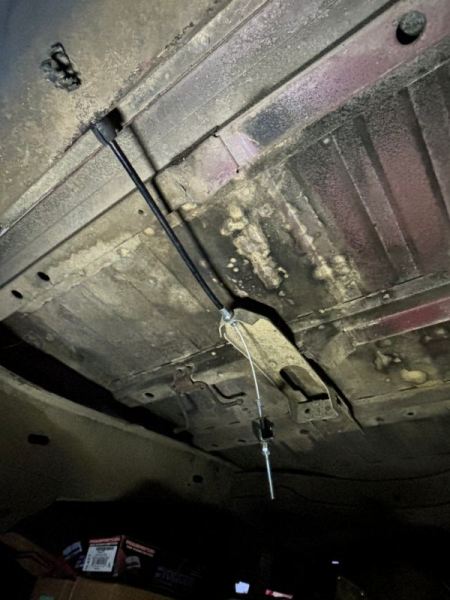
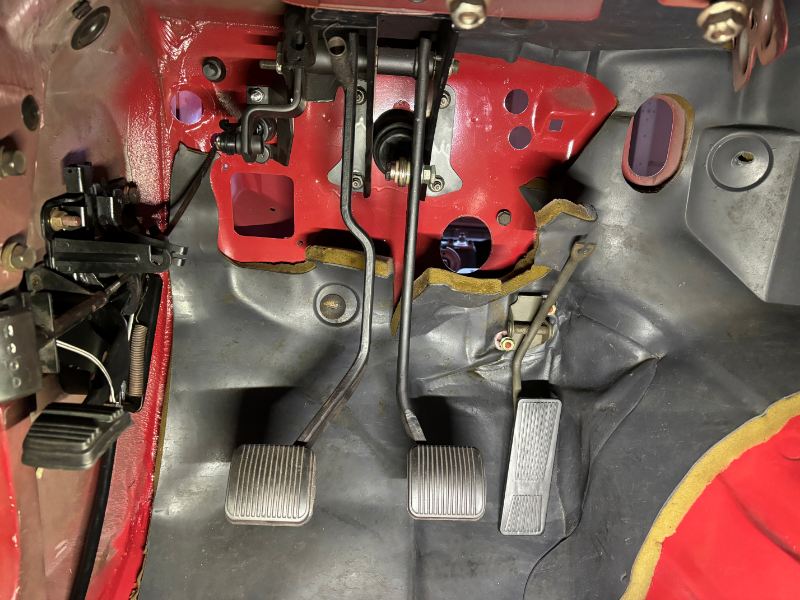
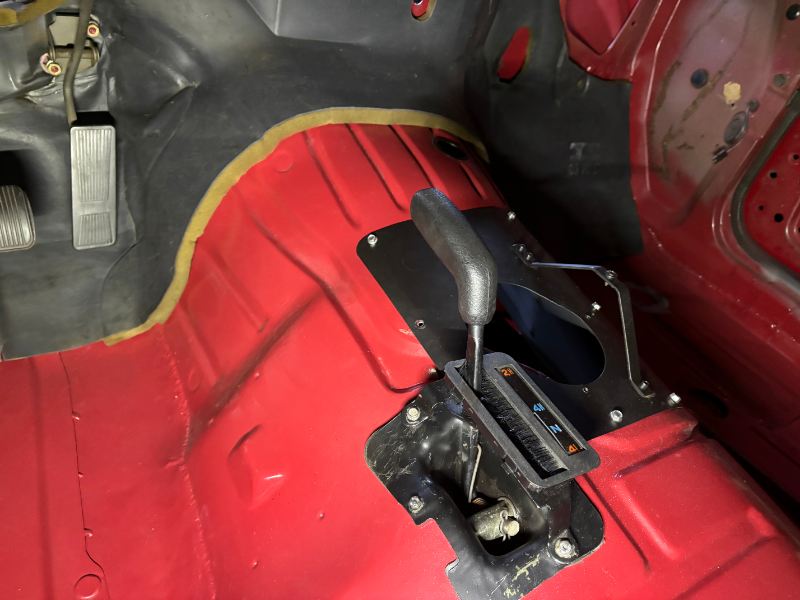
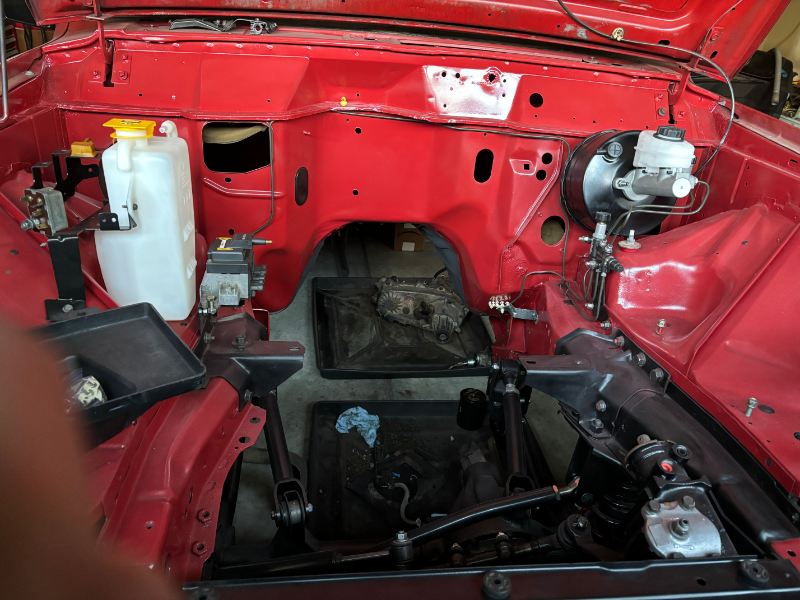
Decent progress day yesterday. Started with the parking brake cable. It's a Bendix C1474, 100% nylon outer sleeve, seems good quality. I did have to shave the sides of the anchor stud a hair to get it to fit into the cable receiver aperture. Got the firewall pad cleaned and installed and final mounting for the pedals: The 4WD shift lever came from a 98 XJ quite some time ago, has the 'fat' handle so I had to take it apart to fit the indicator plate. New SS fasteners for all of it: Brake master, clutch master, valve and lines installed. Modded brackets for expansion tank and relay center/ starter solenoid installed for good. I'll pull the coil/ module back off for clearance during engine install (next order of business):
-
I had questions as I was getting my front suspension/ steering gear set up a few months ago. When I rebuilt my box, I counted box input shaft turns left and right and centered it before installation. It seemed to me the old 'twist the drag link sleeve' method to straighten the steering wheel would move the Pitman arm out of ideal center for equal travel left and right. This video seems to confirm that. It's done on a CJ, but the parts and concept are still the same though:
-
1989 Fuel Pump replacement
Gojira94 replied to Jeepers8606's topic in MJ Tech: Modification and Repairs
The MTS unit uses a pump that "Replaces Airtex # E7006". Airtex E7006 is a roller-vane style pump and the one in the MTS unit appears also to be a roller-vane pump. If MTS' pump is comparable to the Airtex E7006, it can be expected to be about 45GPH (170lph) free flow. 170lph is at the upper end of requirements for an early 4.0 running 29-39psi from idle to WOT, but should be able to deliver enough fuel when restricted/ regulated up to 49psi. The MTS unit has a return provision, but that can certainly be left capped for a returnless setup, if that's indeed what you have. You can always upgrade to a turbine style pump later, with a small bit of modification to fitment of the pump to the sending unit. And to gogmorgo's point, the MTS unit's sender is made for 87-90 gauges, and sends from about 2 ohms (empty) to about 115 ohms (full). I don't know if HO 91-96 is just backwards on the wires at the gauge, uses a different set of resistance values, or both. -
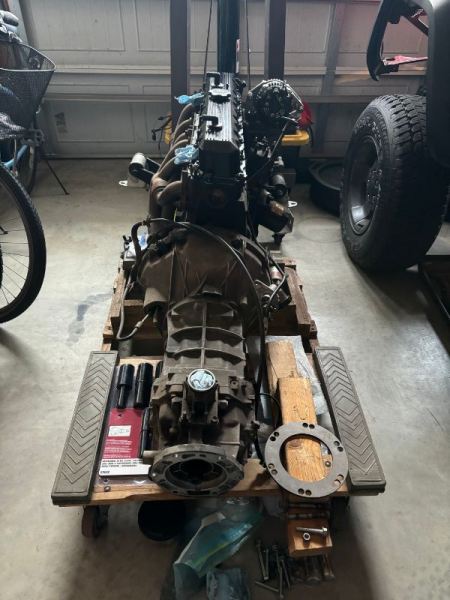
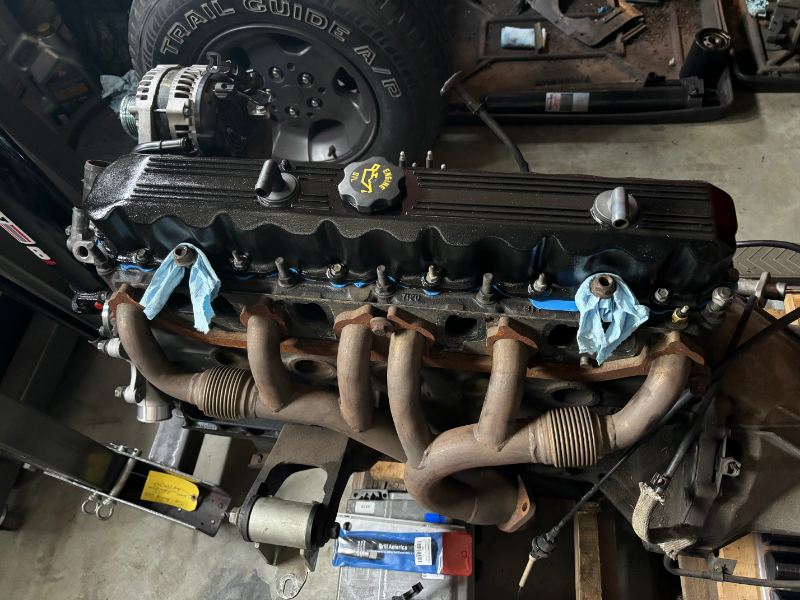
Finally... some mechanical work. Painted valve cover, new gasket. TC removed, prepping for TC re-clock (YJ tranny)
-
I’d start with odorless mineral spirits and see how that spray-over reacts. Mineral spirits are not as fast working or severely cutting like acetone. More time to work without getting into what’s below.
-
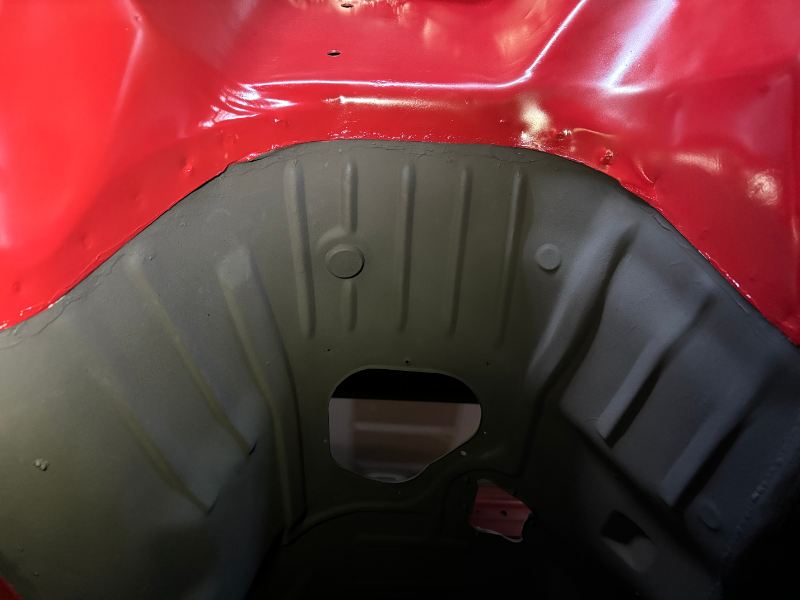
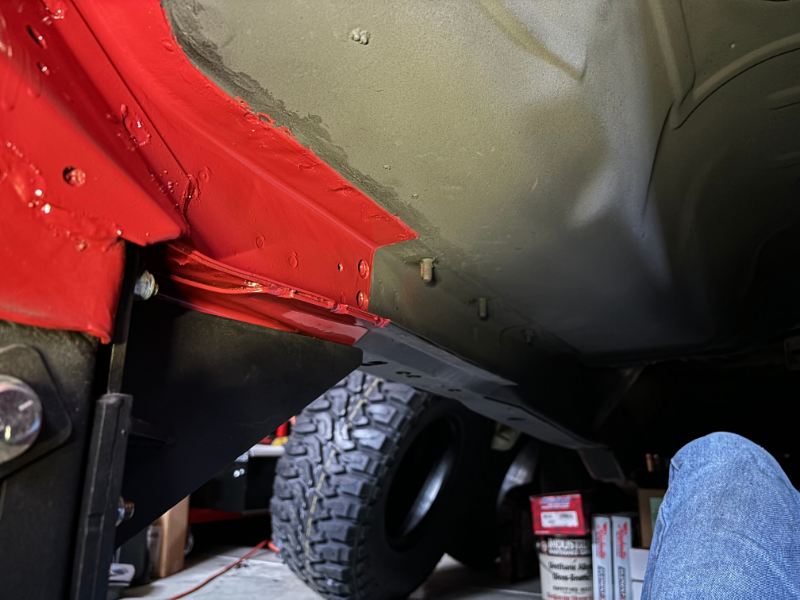
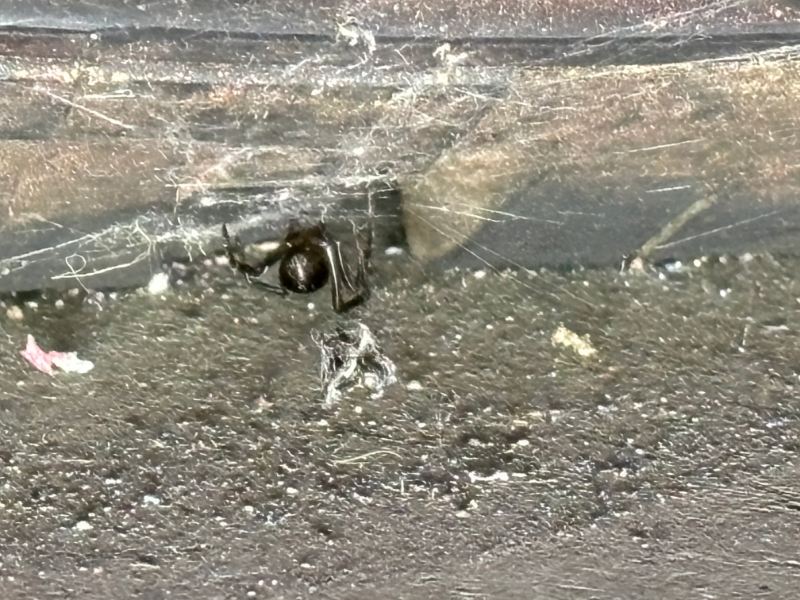
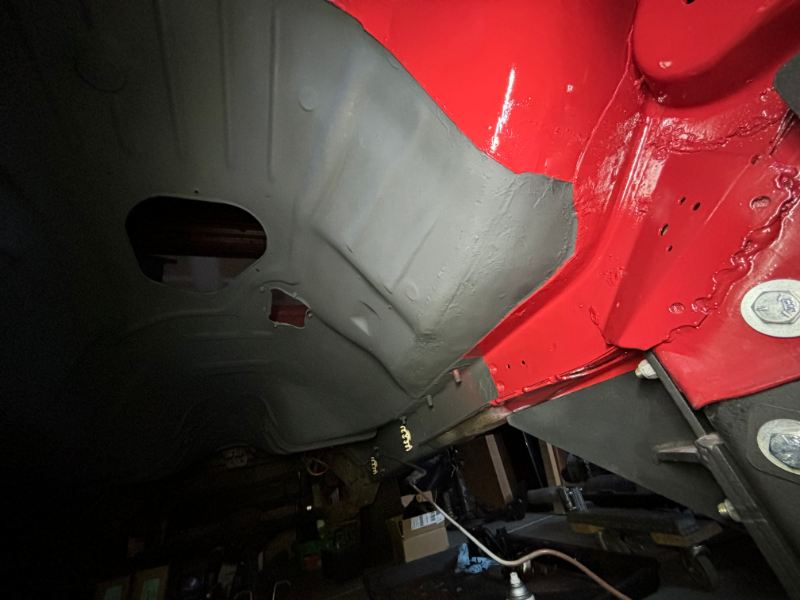
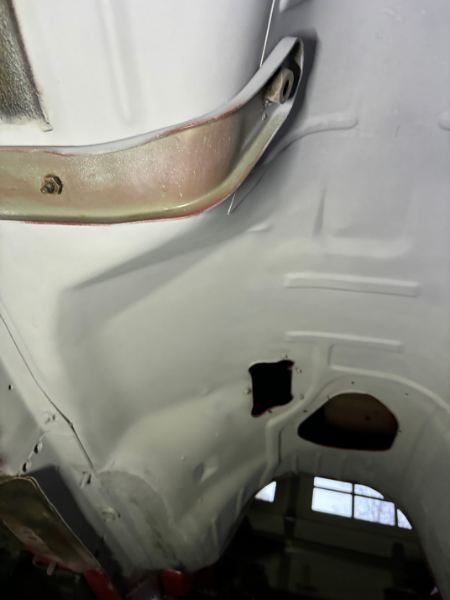
Got the underside about like I want it. A little work left to do on the bottom and outer side of the driver's side uniframe but I can start engine and interior work now. Dropped my light while I was taking these pics, looked over and saw HER. I never kill anything if I can possibly help it, but SHE got doused with brake cleaner.
-
Finally, it's all clean! Primed and ready for seam sealer. I didn't get a pic of the seams afterward, but it's sealed up tighter than Dick's hatband. I dare say the damned thing would float for 2 days. Every place where metal comes together underneath, it's scrubbed, cleaned, primed and sealed. Even all the joins for the seatbelt anchor braces at the floor pan and at the frame rail. Even the studs for the crossmember braces are filled. Those come from the topside from the longitudinal braces through the floor pan, so yeah. I'll buy a mirror and watch myself starve to death before I do all this again... Flat black enamel laid down as an adhesion promoter for the Raptor undercoating. The paint is still drying in this pic, laid it down about 20 minutes before. Tomorrow, undercoat.
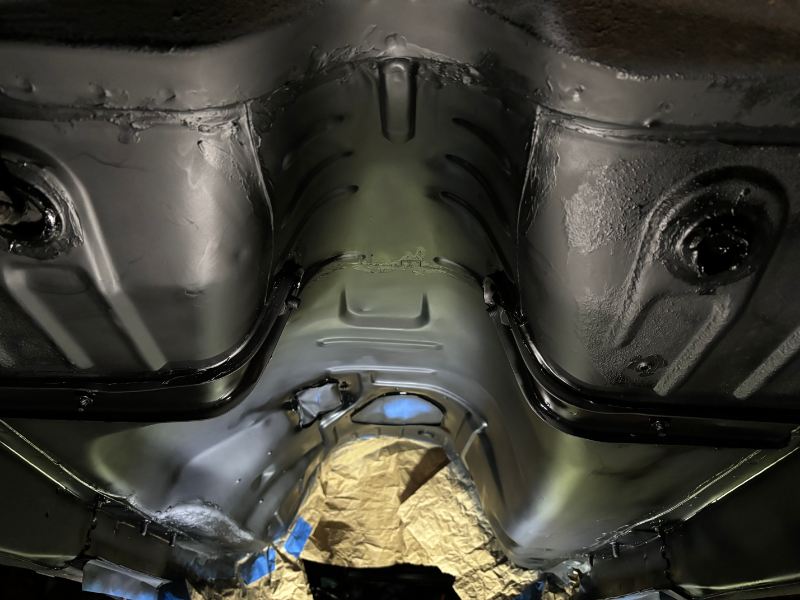
-
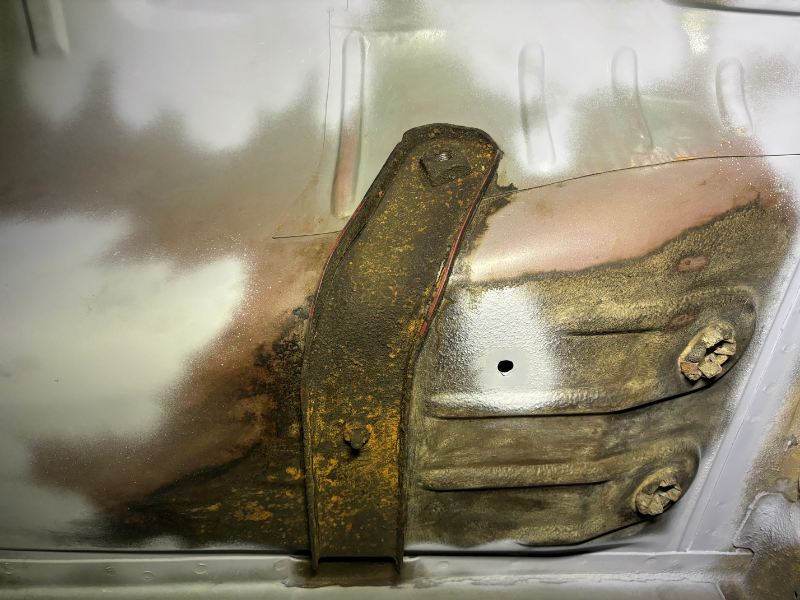
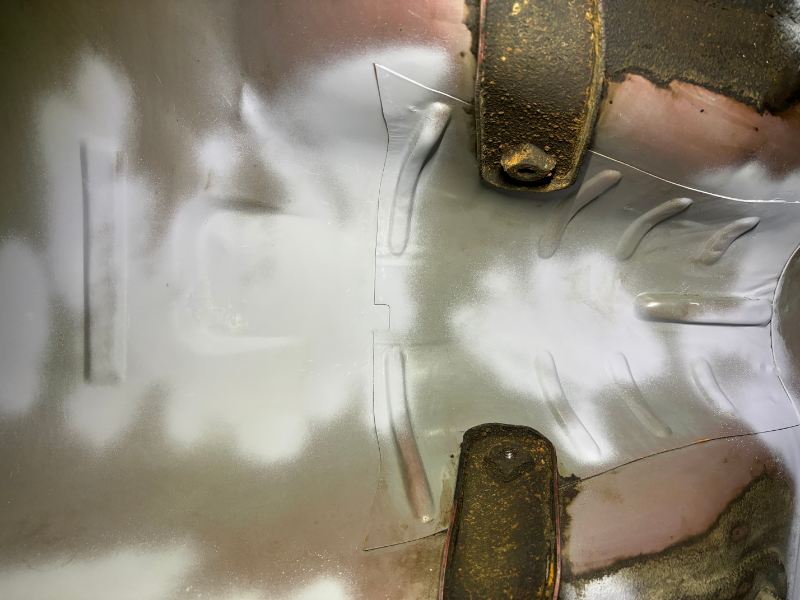
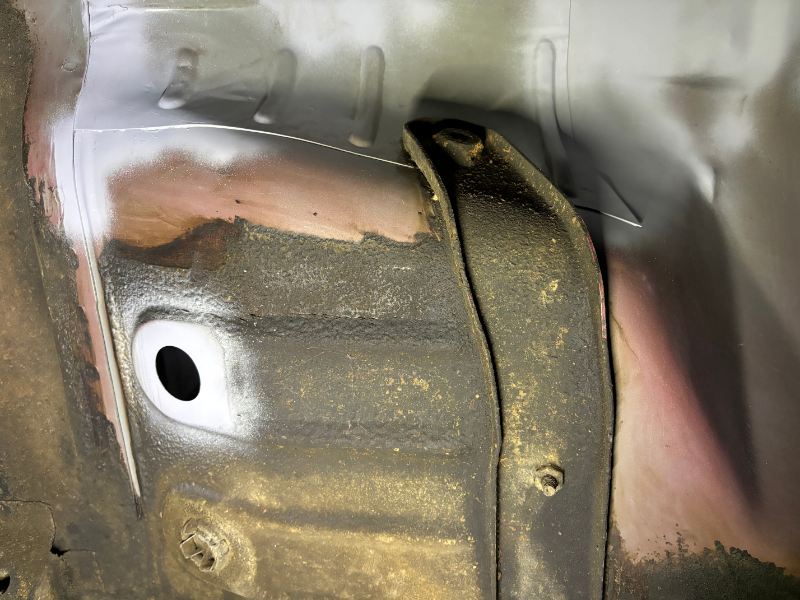
Bottom side. Some decent progress. Found a few small spots of very minor rust, like size of a nickel or smaller. The dirt that remains in crevices is a sandy sort, mixed with cast off fluids and softened factory undercoat. The last challenge is getting all that out of the space between the seatbelt anchor straps and the floor. Guitar string or piano wire should help get that out, followed by a spritz of brake cleaner to flush it out. Then some more seam sealer work, a black enamel over all of it, followed by fresh undercoat.
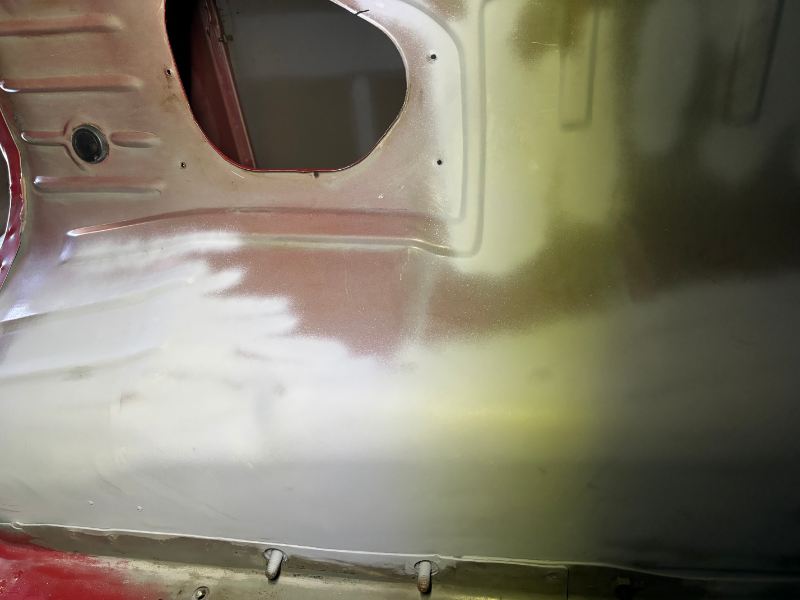
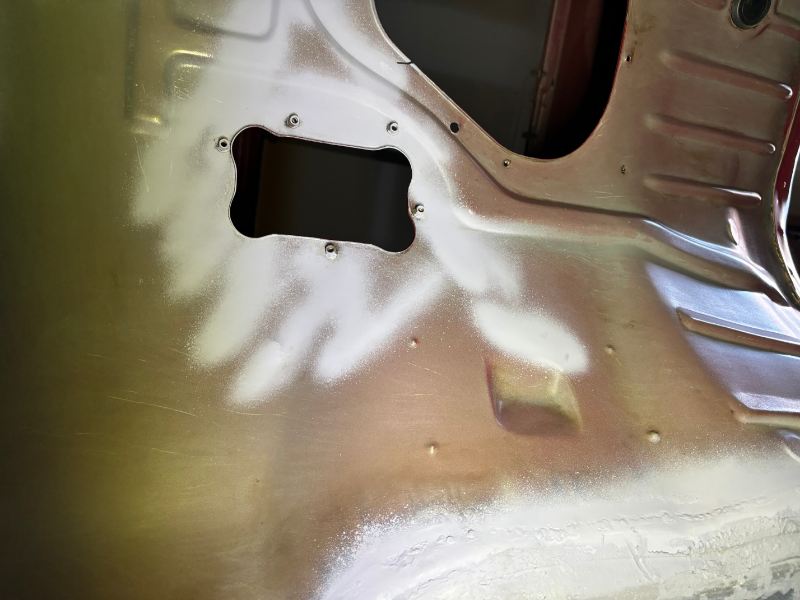
-
Thank you! I've spent more time doing this than I cared to. I have new vinyl plugs for the various and sundry holes as well. The metal ones turned out to be too far gone to trust. The bottom side is coming along and is sealed quite well where the patches are but I'm not quite ready to present that work yet lol.
-
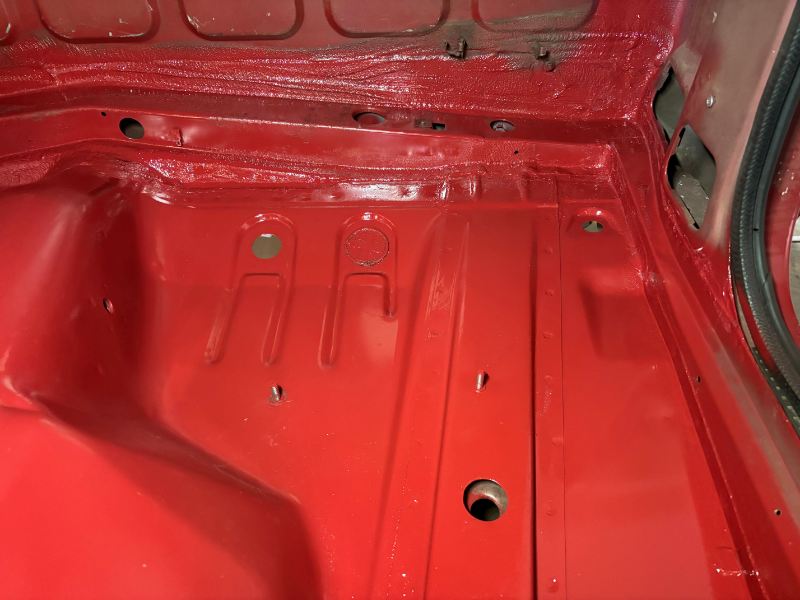
Topside of floor... is DONE. Now onto doing exploratory forays into the bottom seams for cleaning, addressing any small rust spots and likely pathways for water intrusion and sealing them up.
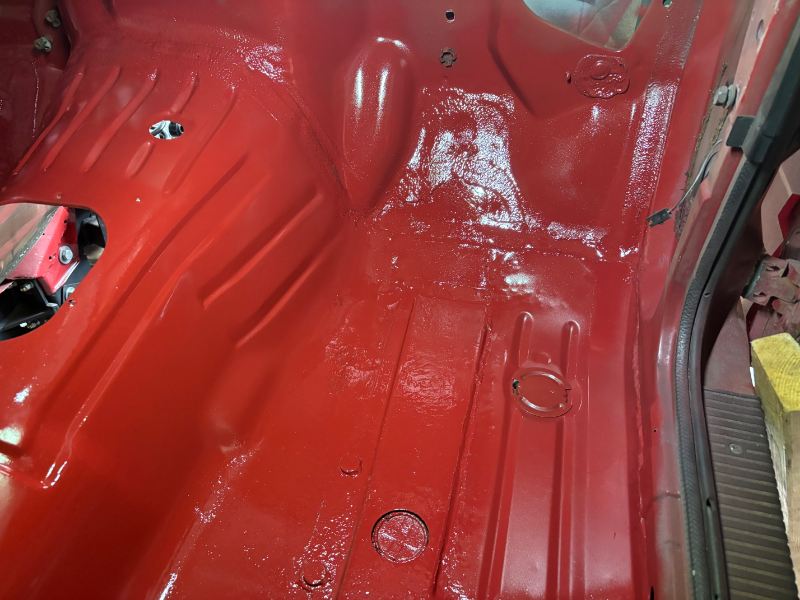
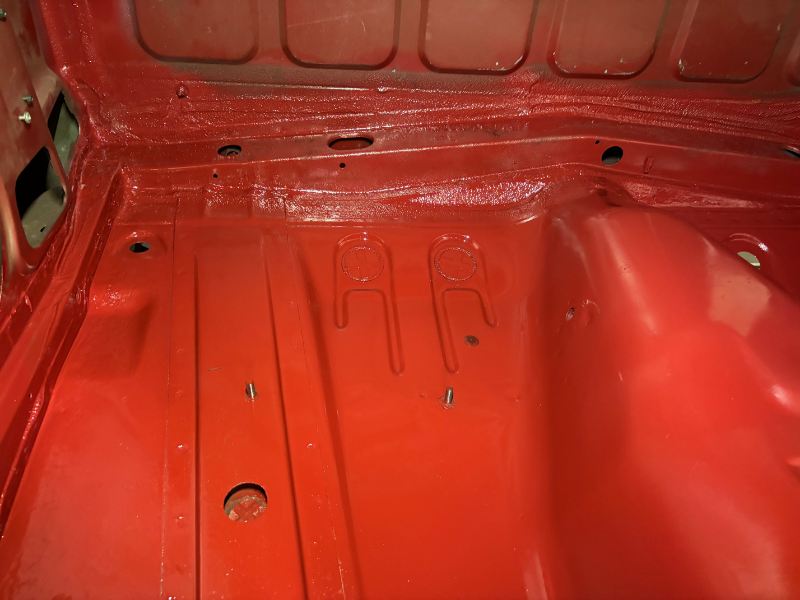
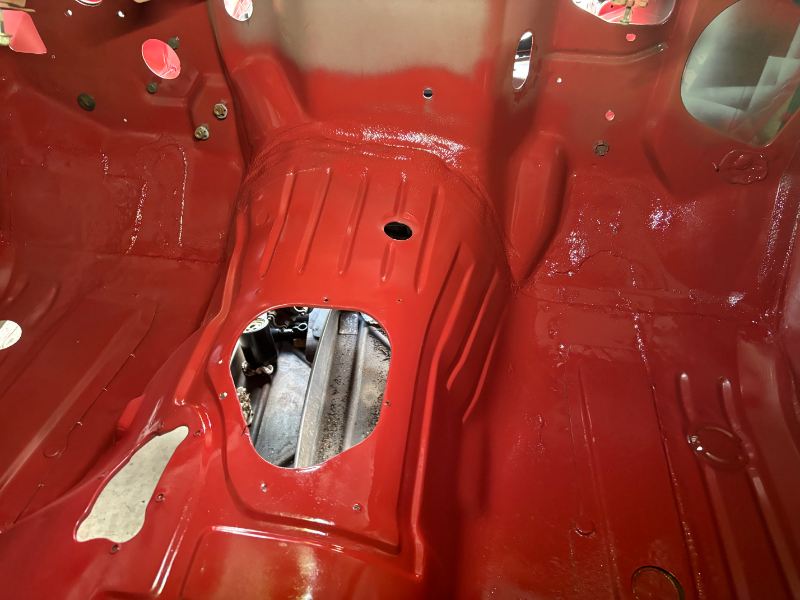
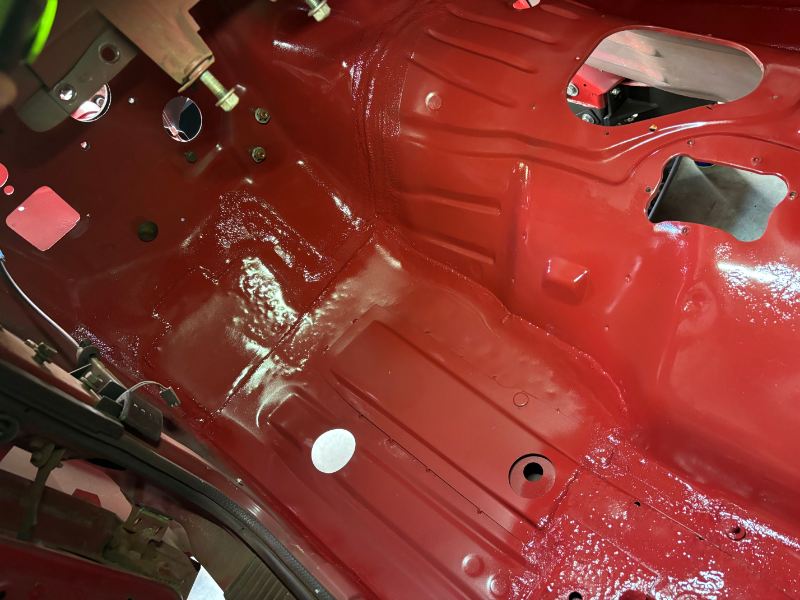
-
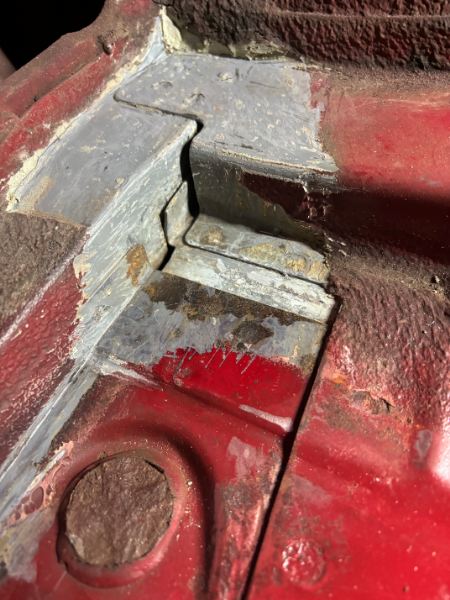
Passenger rear corner- no real issues here. Clean off the light rust scale and seam seal the hell out of it. Now working on the driver's side looking for the same.
-
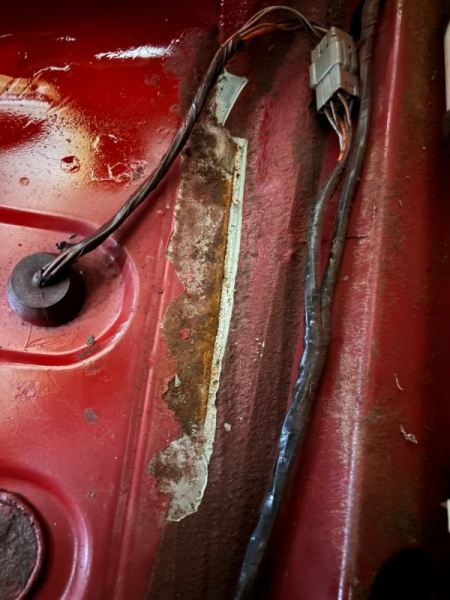
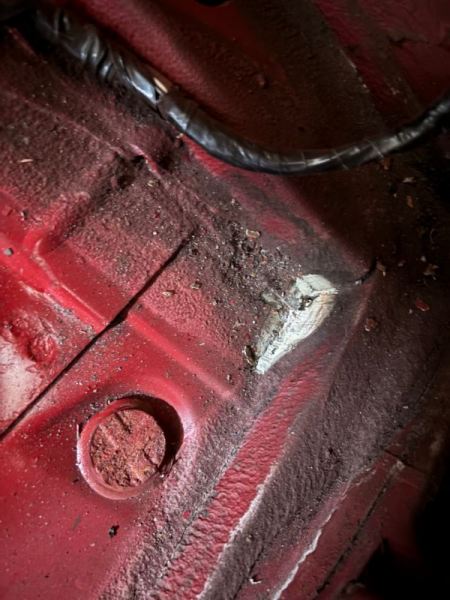
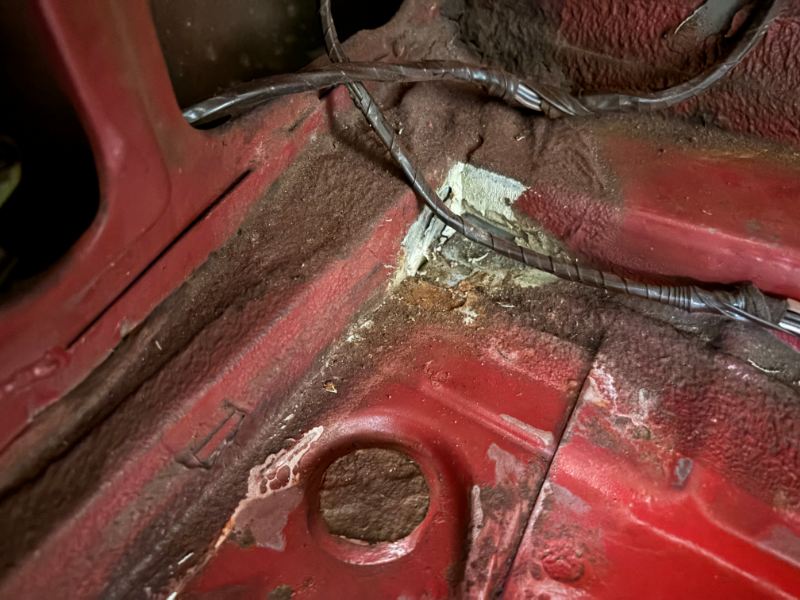
Thankfully nothing horrible going on in the passenger or driver rear corners. But I'll want to clean and reseal the floor seam on the bottom rear. Looks like the rust is crawling up from below on the rear edge of the floor panel behind the driver's seat...
-
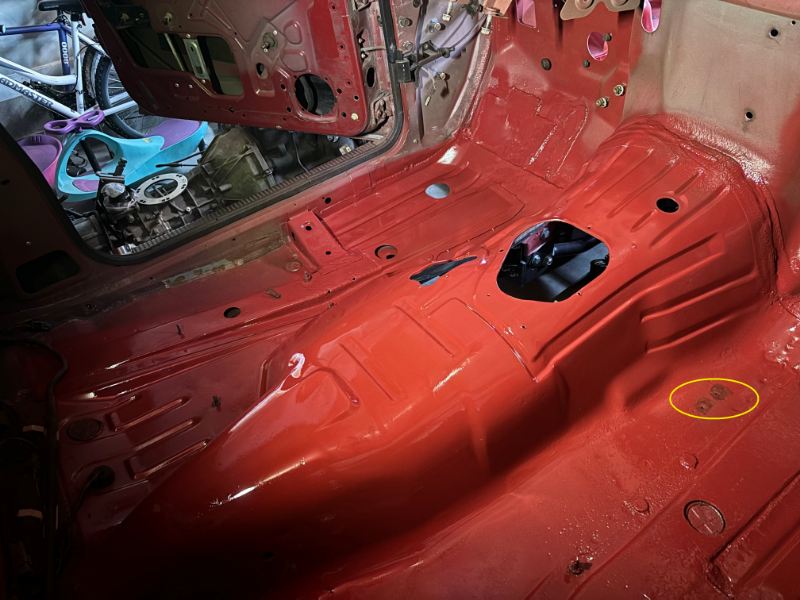
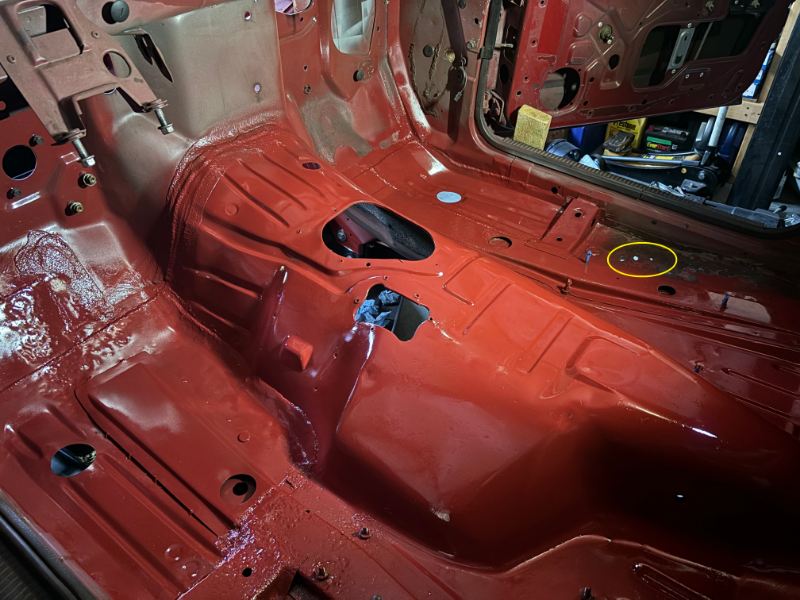
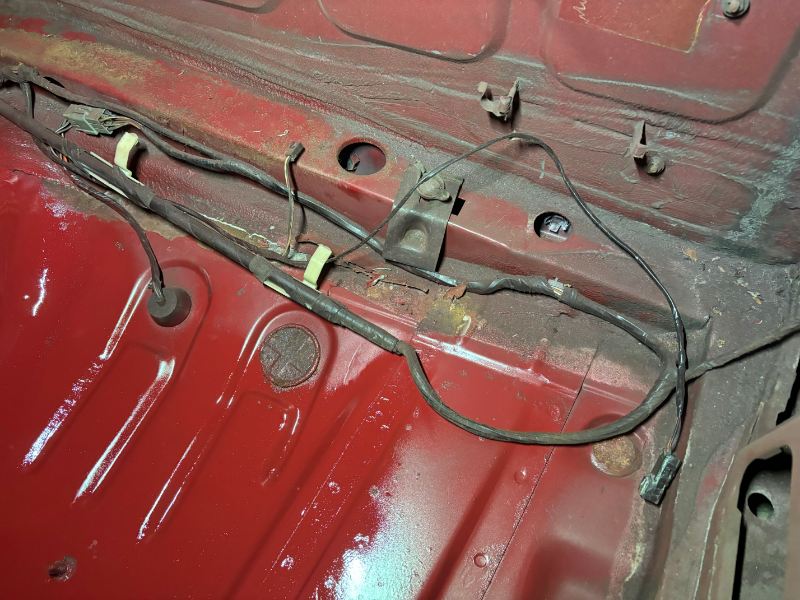
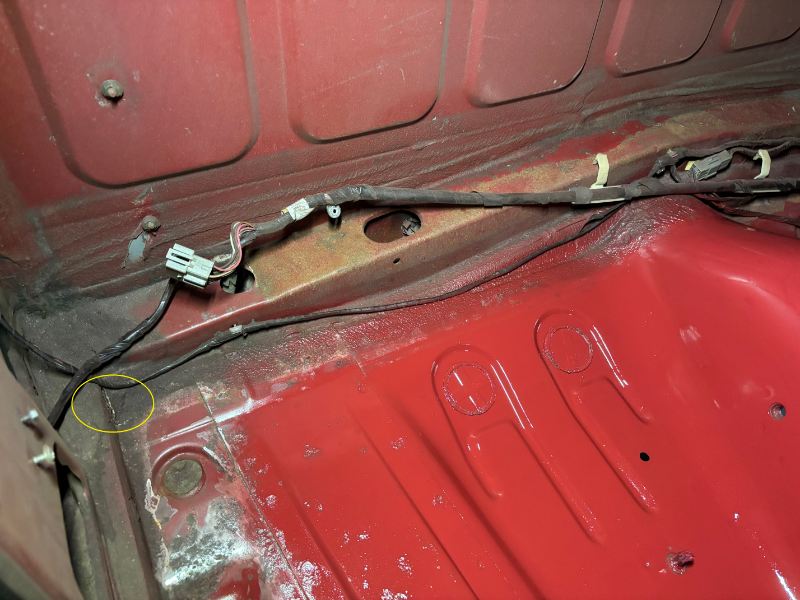
Floor, top side progress... inner rockers still need some attention in a few spots, nothing major. Two pinholes I reamed out a bit to address on the passenger side footwell. Found water intrusion in the passenger rear corner that did this next to the passenger inner rocker. I'm just going to patch it with a small piece of steel and JB Weld epoxy, as the metal's too thin to weld where the 3 holes are: Rear corner on the passenger side- all that seam sealer needs to come out to assess what's what. The circled spot is where the water's been coming in to rot the passenger side: Rear driver's corner also needs some digging in and addressing:
-
Start with hoses, accumulator/drier and o-rings. Then vacuum it down and see if it holds. If it does, then you can see if the compressor is good. One thing to look for in a bad compressor, in the absence of refrigerant leaks, is low side pressure too high/ high side too low/ shifting back and forth (inner seals compromised). Consider renting a flush gun to clean out the evaporator, and if possible, the condenser. Go back in with 30-32oz of R134a and use PAG 100 oil. If you can get all the oil out of the compressor and the rest of the system, complete fill is about 7.5oz.
-
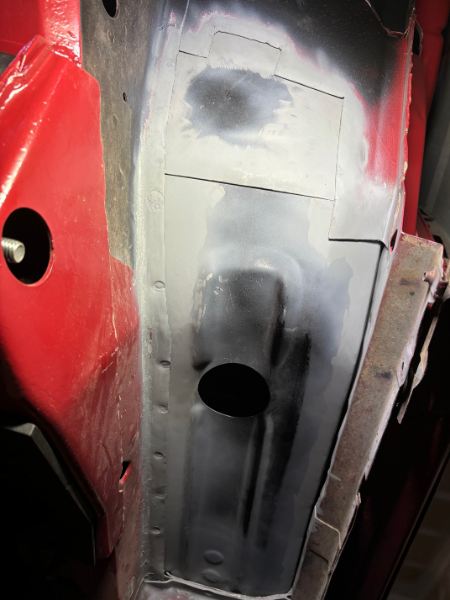
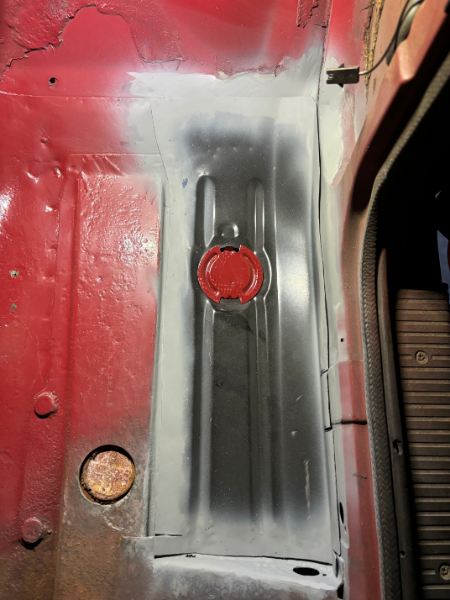
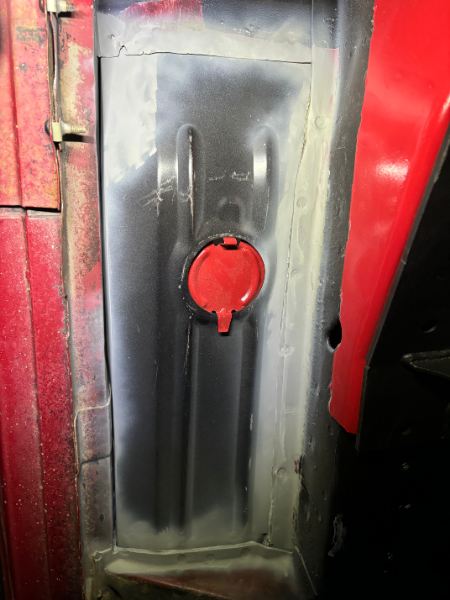
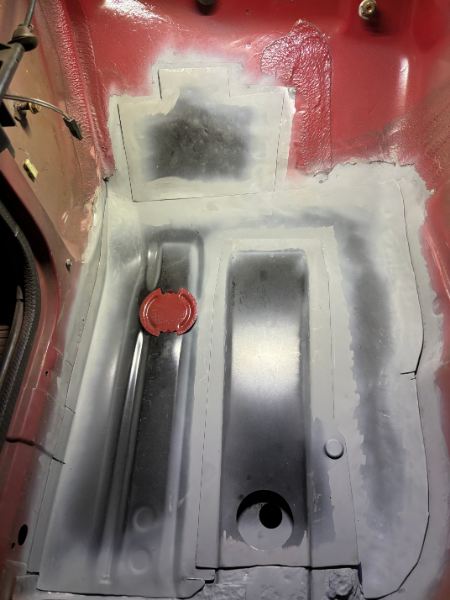
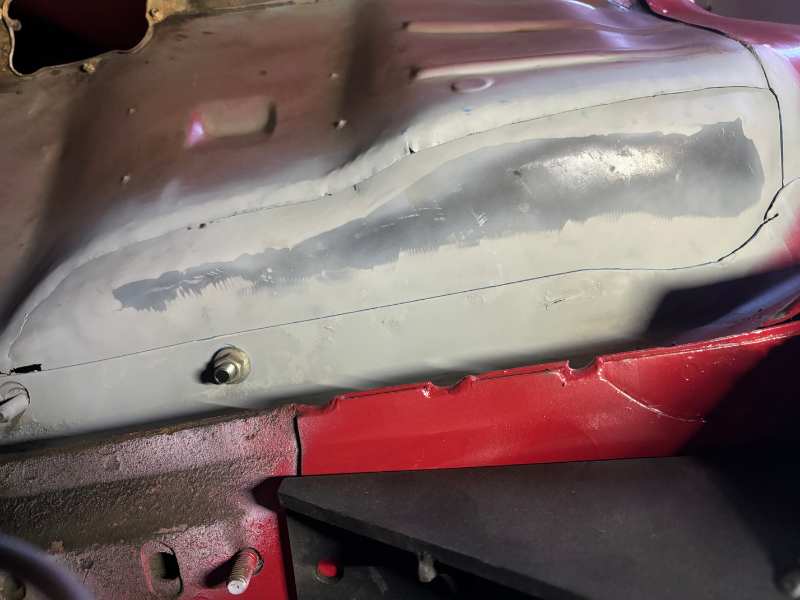
Thanks! Finally done and ready to start burning them in. I haven't welded since the end of the 90s, working at a shop that had equipment. One of the kids that works for me at job #2 has a prodigy friend and I've seen his work. I'm having him do it. Driver's side: Passenger side: I see 2 places I missed I need to go back and strip off the black paint on the patches, now that I'm looking at it again (pics 2 & 5).
-
Oops... fixed.
-
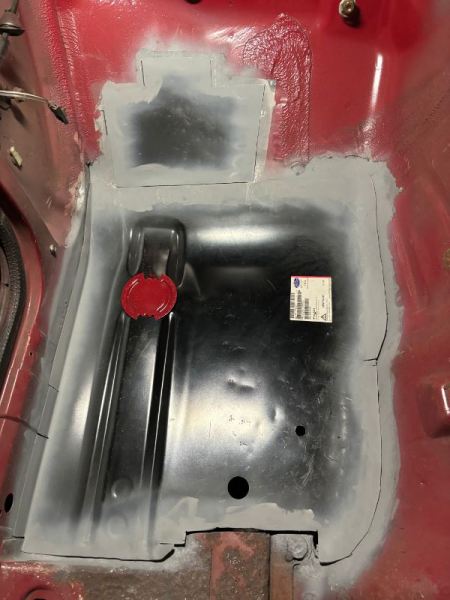
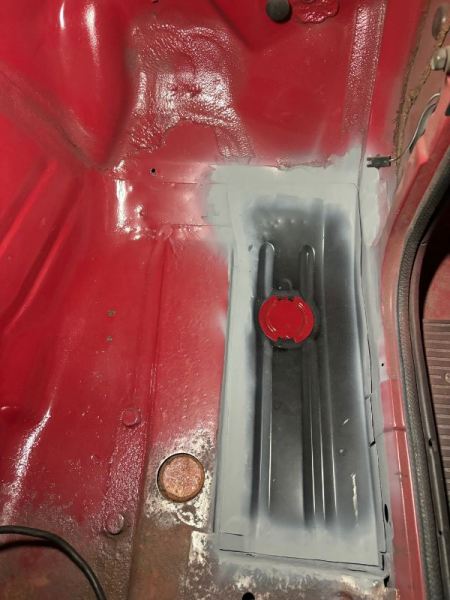
More progress on the floors today. Still have to patch the longitudinal brace but I’m almost ready to burn stuff in…
-
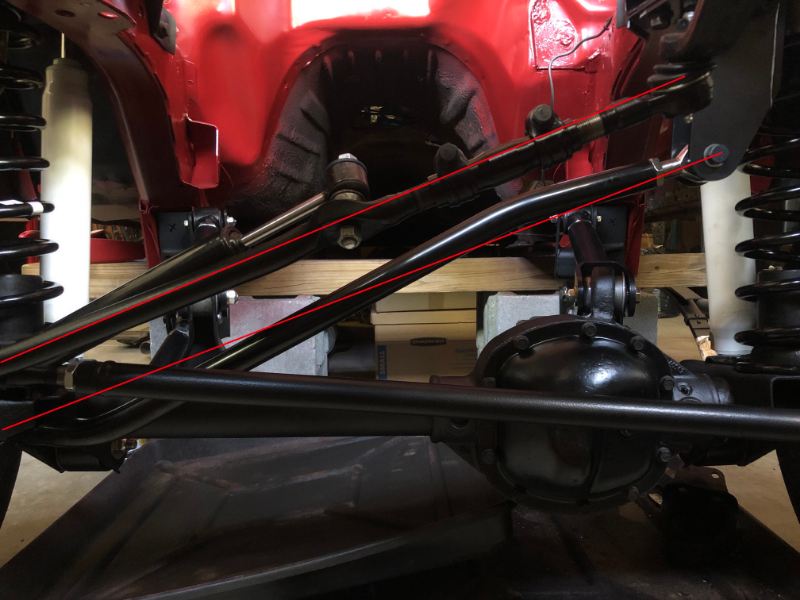
How about a pic from the front of your rig? Curious as to what all the angles look like.
-
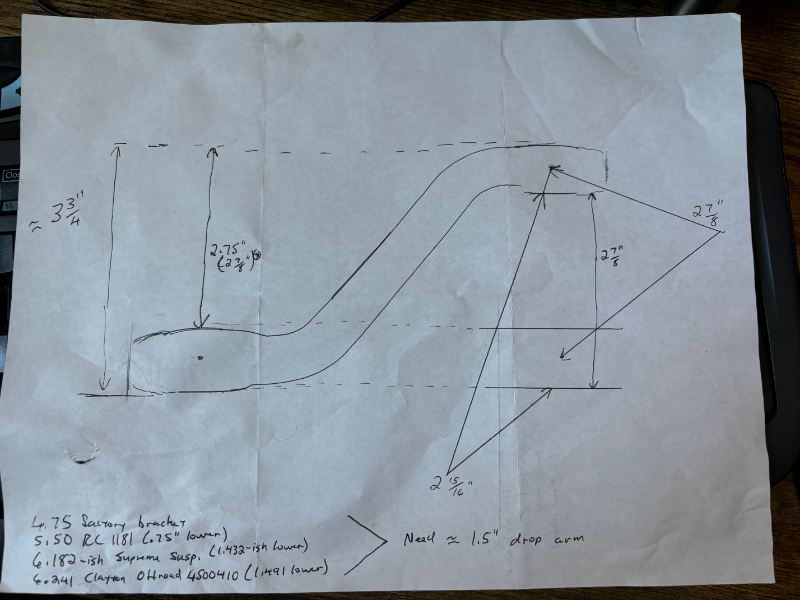
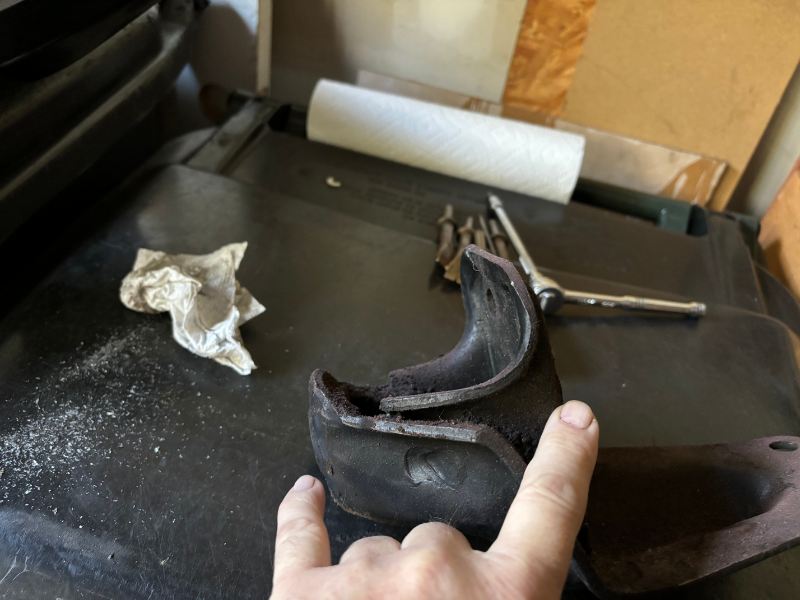
I traced my stock Pitman arm a while back, trying to answer some questions without a bunch of 'buy and try' for my lift. Here's the measurements and notes I took: This measurement from the bottom of the frame rail to the mount point is 4" +/- 1 RCH I also have a double shear track bar and accompanying bracket. Drop from the frame rail to the bolt hole is 6 1/4." At least with the suspension not loaded with engine weight, I'm parallel with the STOCK Pitman arm. I thought I'd need a drop Pitman arm and grabbed the lowest of the low I could find, a white box version of the RC 6610. It was way too low. My setup with the stock Pitman arm:
-
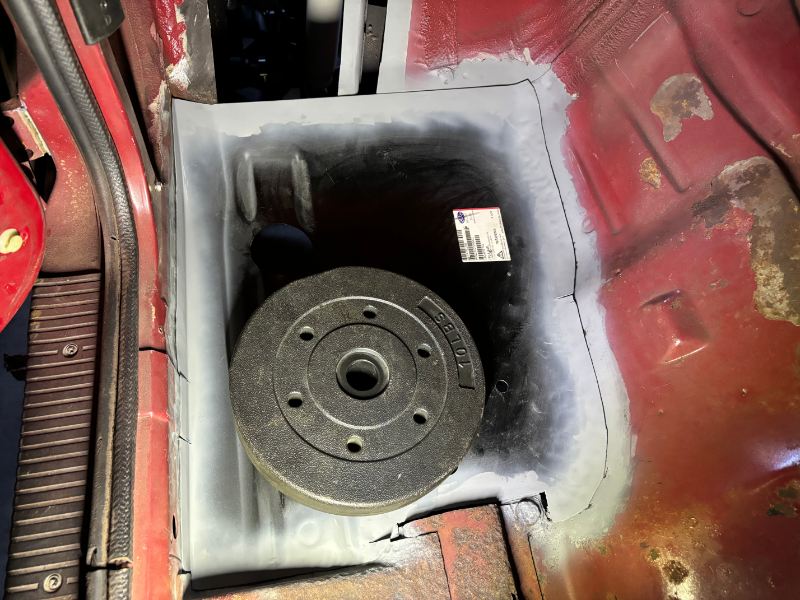
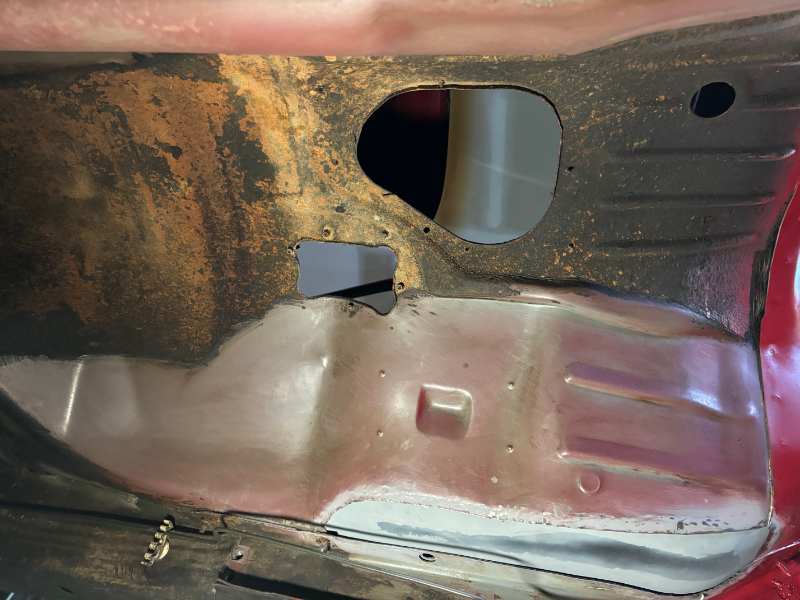
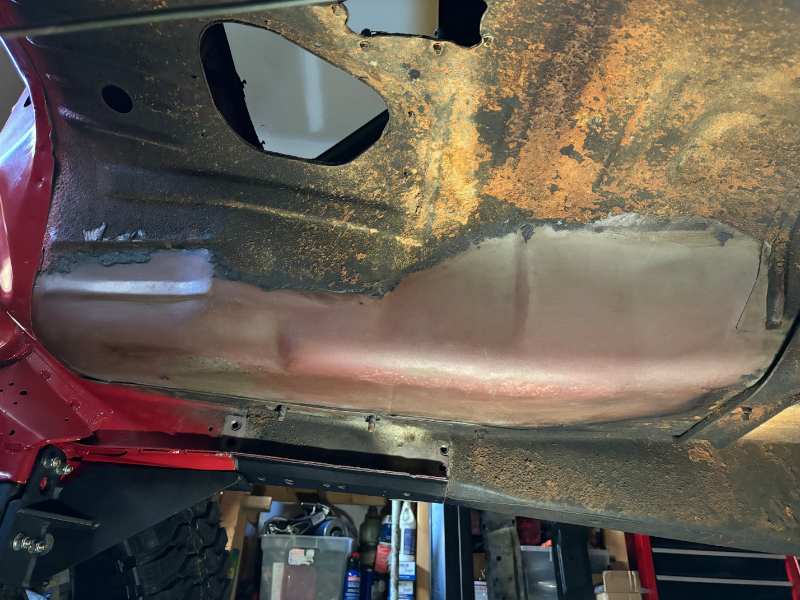
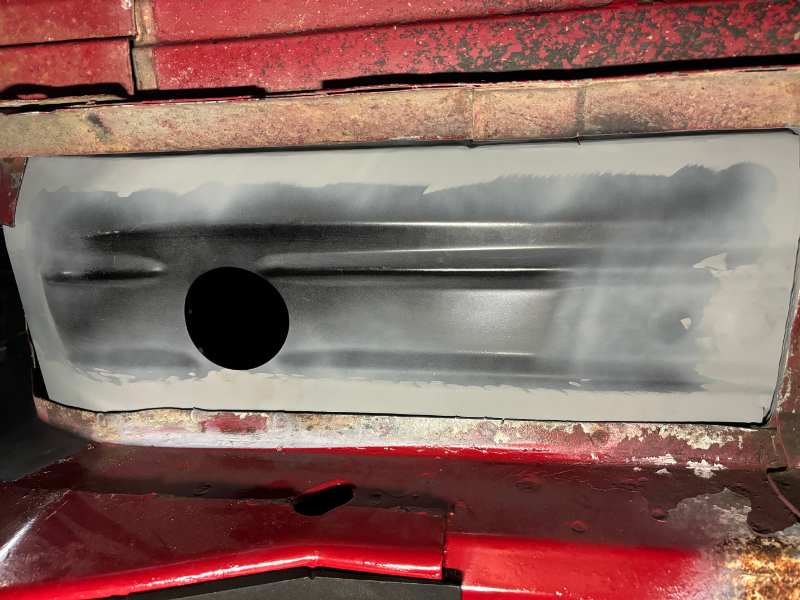
Floor patch fitting and under cab cleanup underway in earnest. I ordered the C2C XJ front halves quite a while back, before Keyparts started making the MJ versions. So I knew there would be more than minor modification to make them work. I did get the Keyparts longitudinal floor support, so there's that at least, for the section I need. Driver's side main panel is almost done. Made a template for the section above it, so much rot from the previous clutch master. Still some weld-through primer prep to do on the bottom side, but it's close to ready. Cab bottom side- A blunt flat blade screwdriver to remove the overburden of crud and old undercoat, followed by a generous wash with odorless mineral spirits.
-
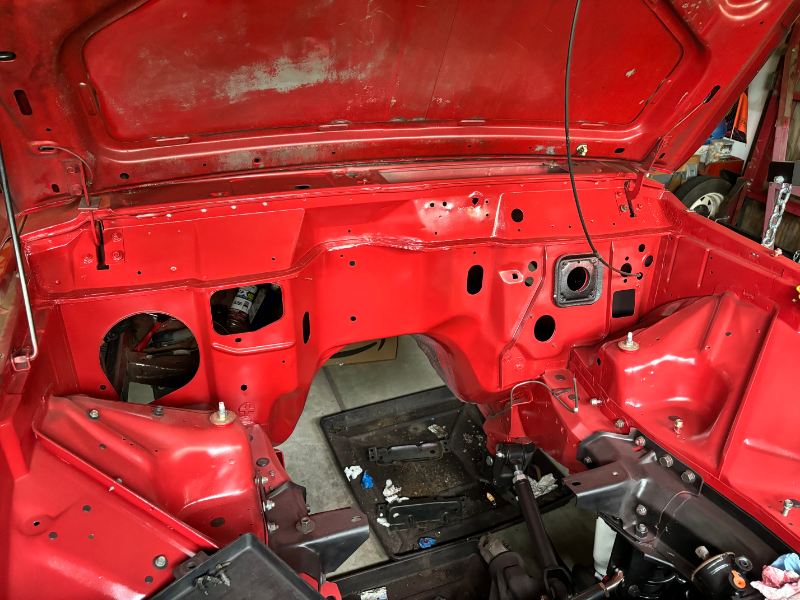
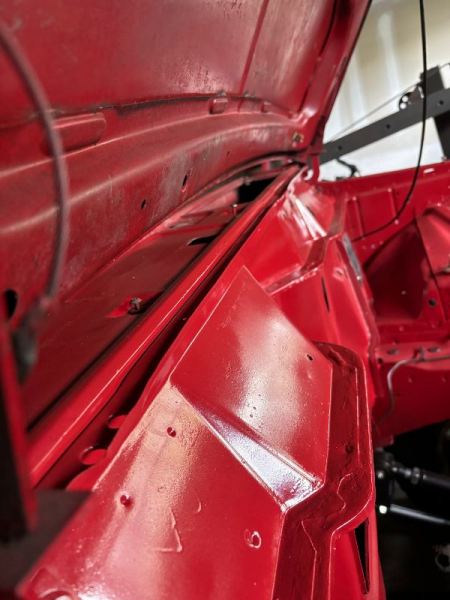
Lower cowl and hood seal track done.