Gojira94
-
Posts
718 -
Joined
-
Last visited
Content Type
Profiles
Forums
Gallery
Everything posted by Gojira94
-
I saw this orange MJ again tonight. Passing by around 7:30, it was dark and I had my daughter in the car so I didn’t stop to see if the owner was about (it’s a business address, looks like a seed and fertilizer outfit or something). I really want to meet whoever that is and take a look at his (or her) MJ.
-
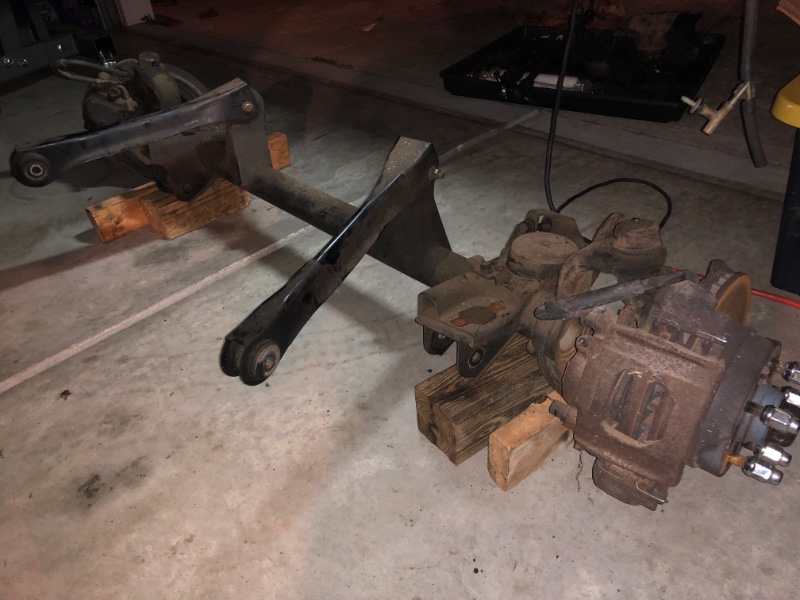
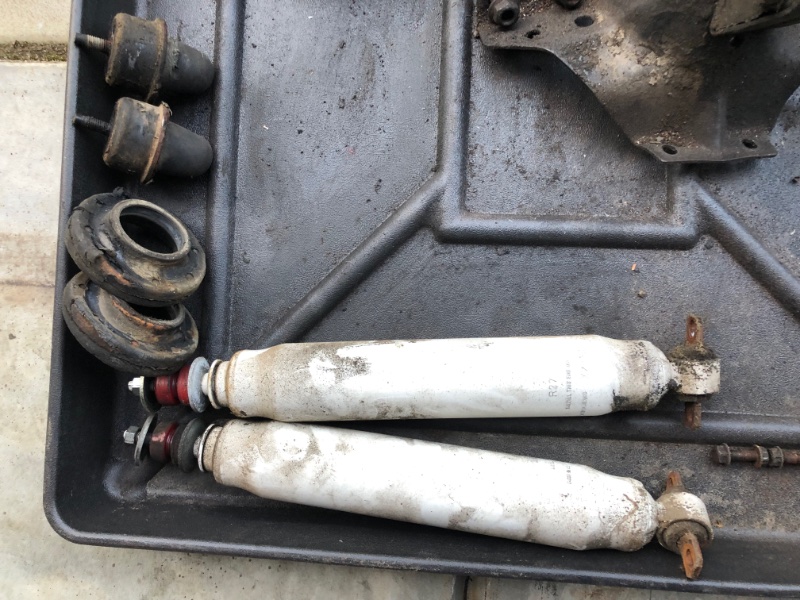
It’s out- cleanup can now begin lol EDIT: clean up the frame, engine bay and wheel wells- not going to reuse this axle. Same guy who took the 2.5 engine is coming to get most of the 2WD equipment I'm pulling. The 2” bump stops aren’t horrible but I’m going to replace those with longer ones anyway. The shocks I wasted others’ time identifying are junk. The rears are probably the same way.
-
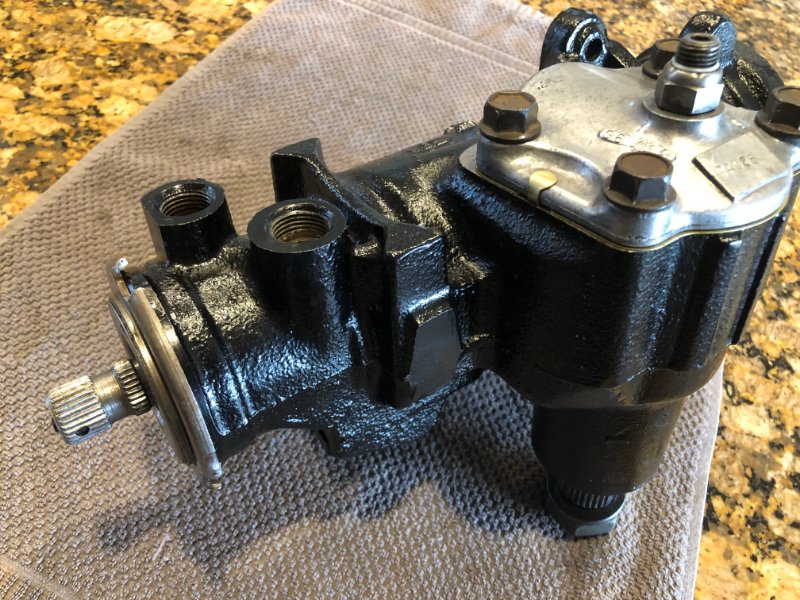
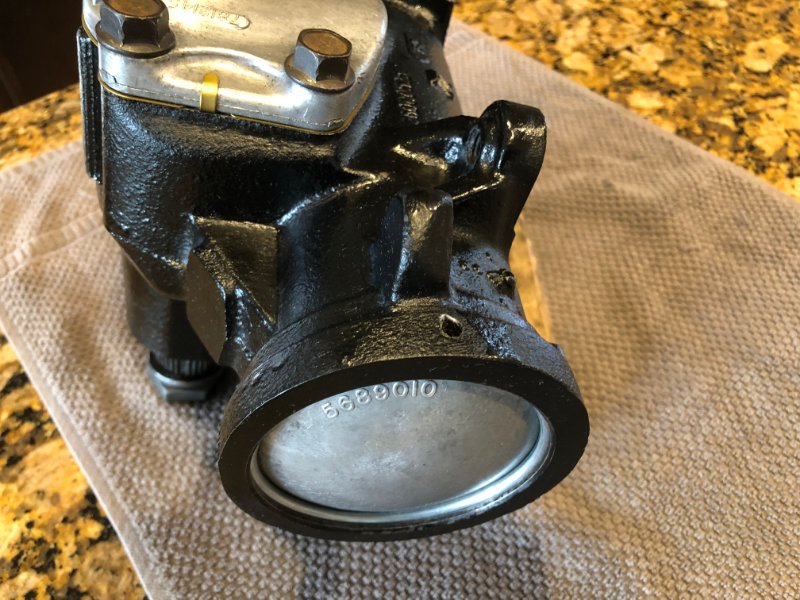
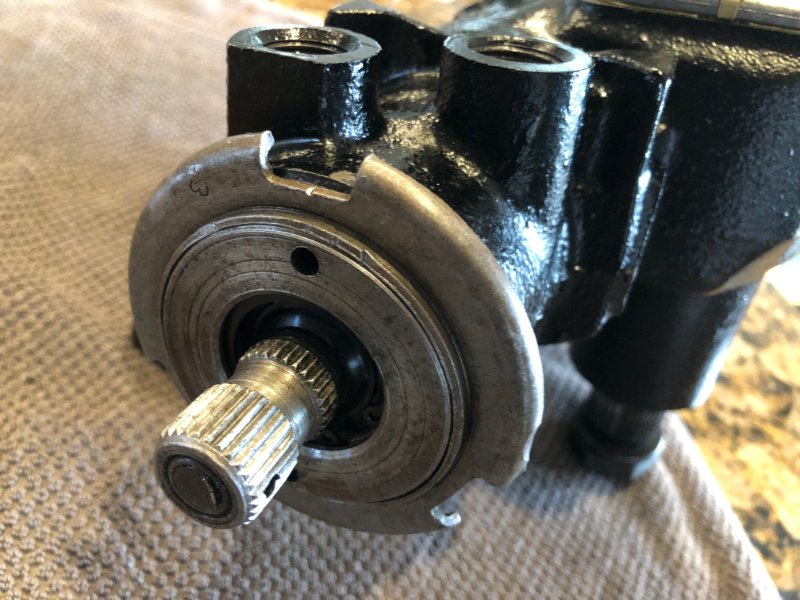
And the finished product...
-
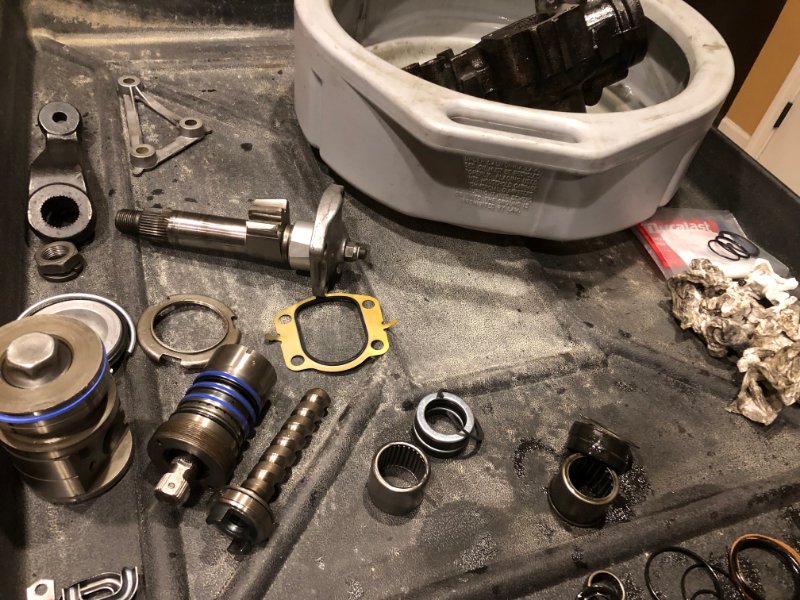
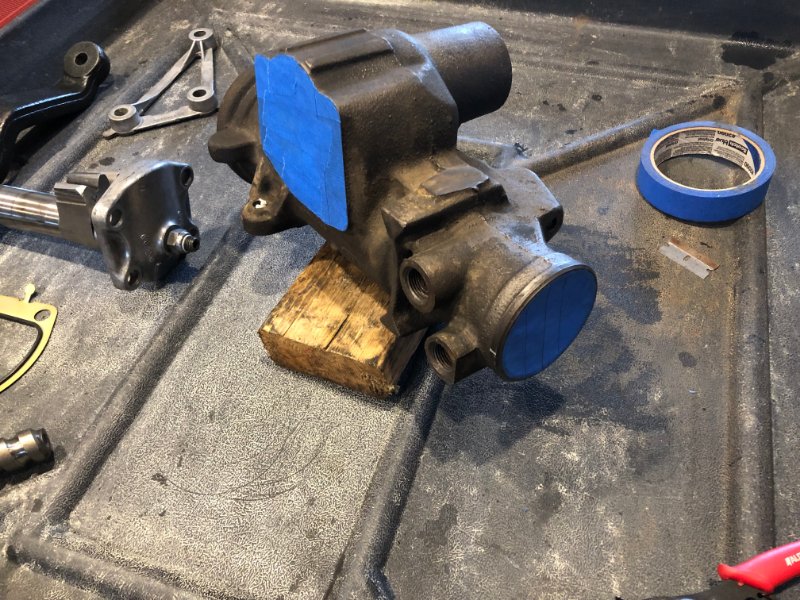
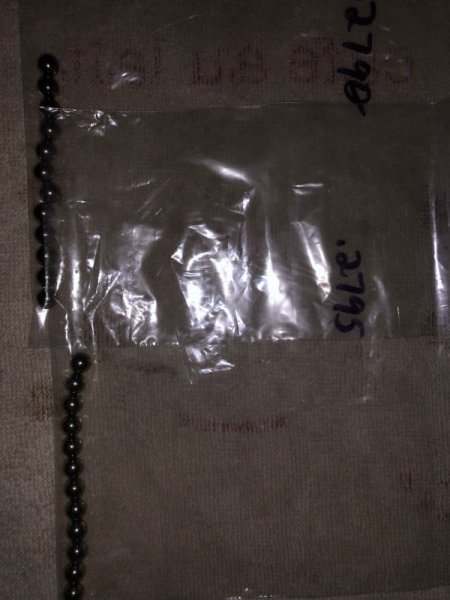
I use a rabbit cage bottom pan for disassembly work for stuff like this- available at Tractor Supply/ Agri Supply for $17-25. This is the larger size. Get everything apart, clean parts in a open-top catch pan, clean up the rabbit tray and start going back together (it's cleaner than it looks lol). Taping off in prep for one more external solvent/ brush cleaning and then paint: The ball bearings all looked the same, had to mic them to tell the difference, but once separated into 2 groups I could see the difference.
-
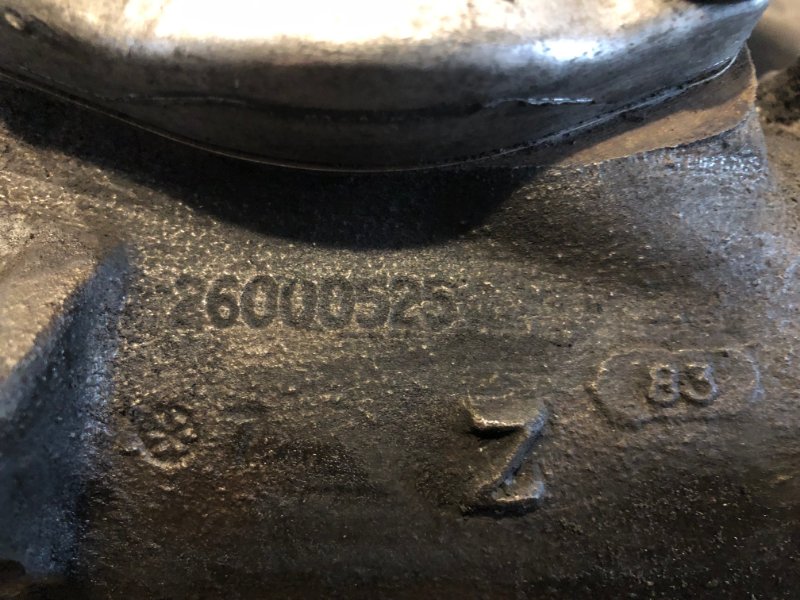
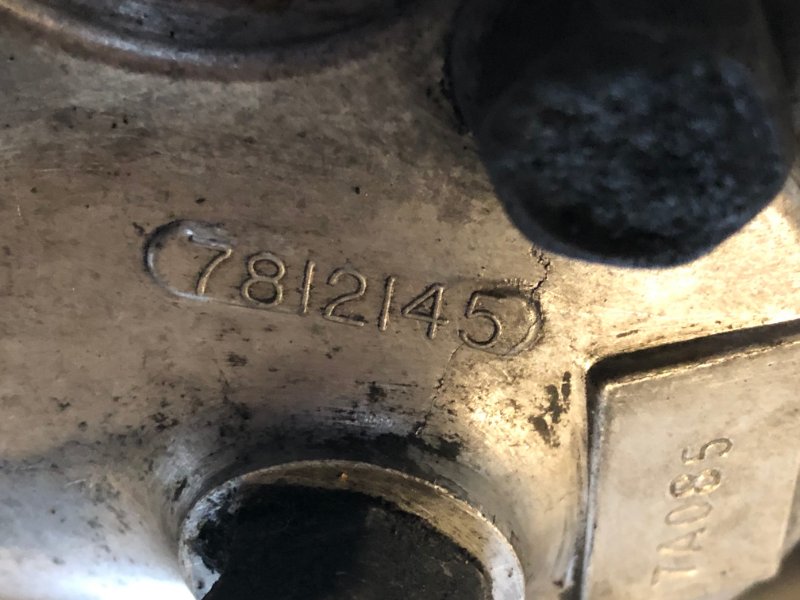
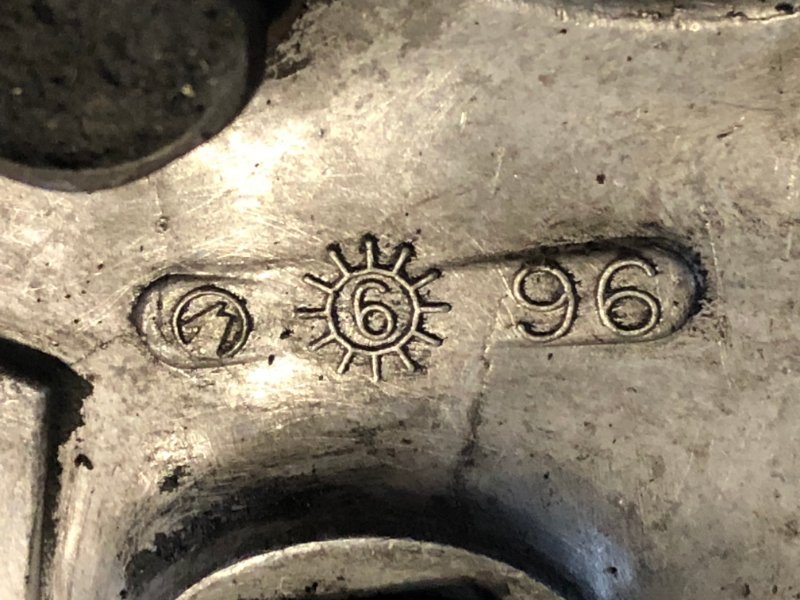
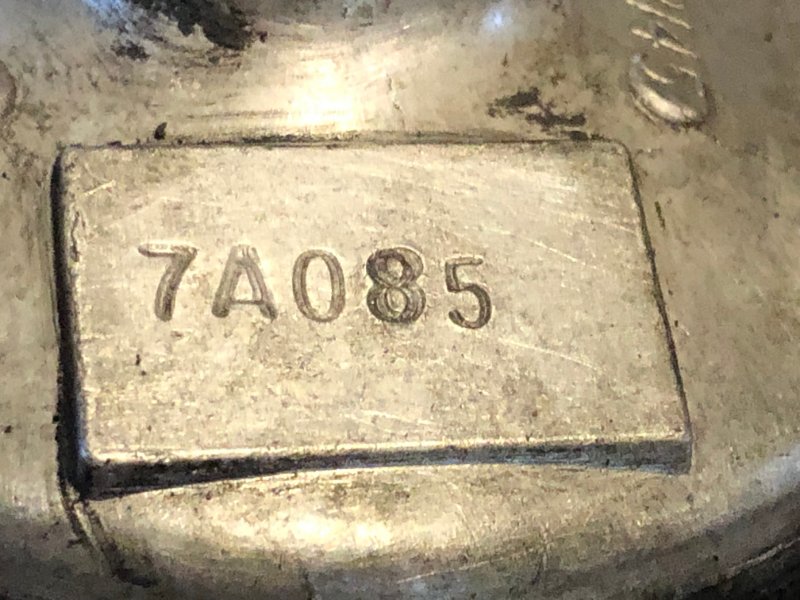
Getting the case cleaned up so I can take it apart, all the markings I could spot on it:
-
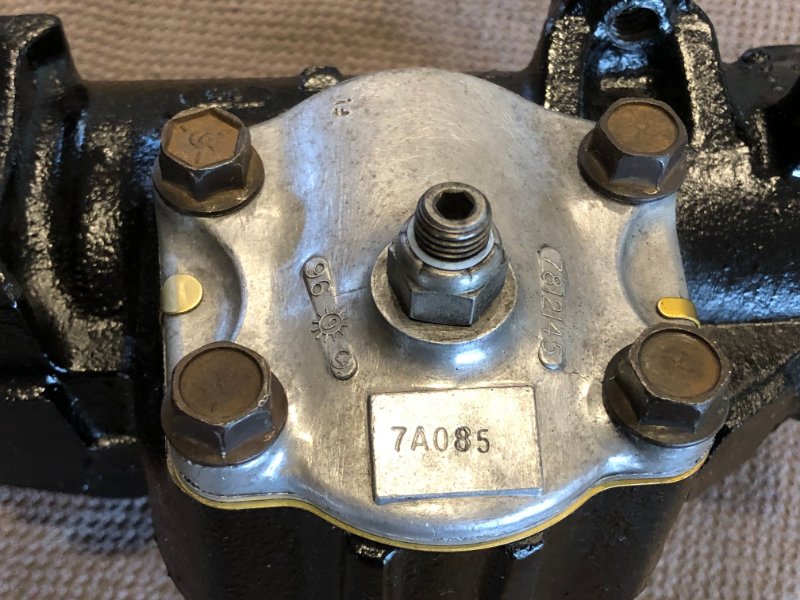
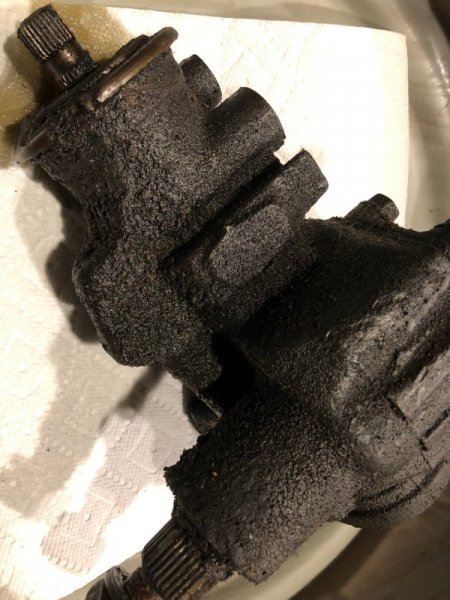
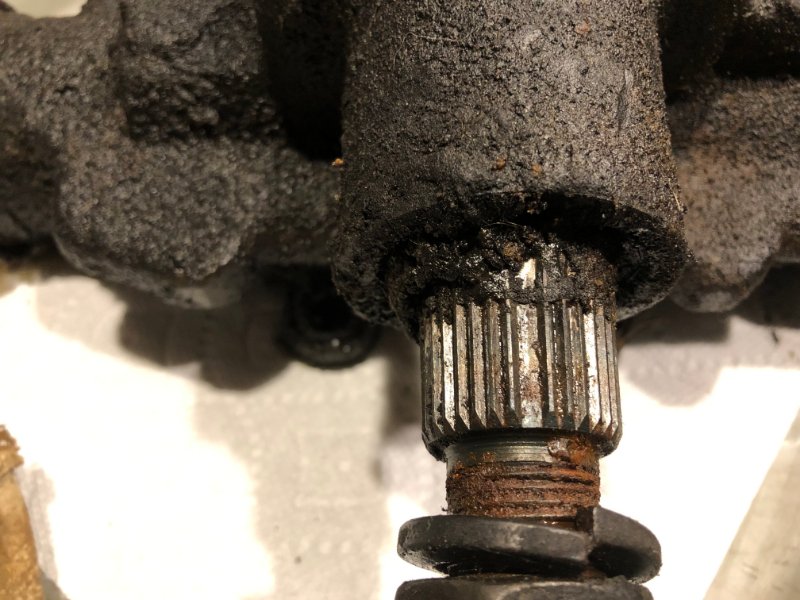
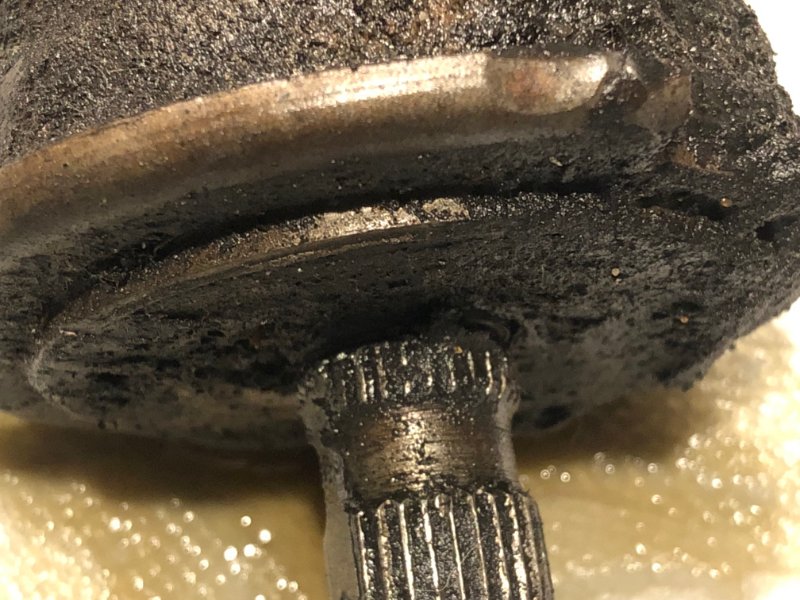
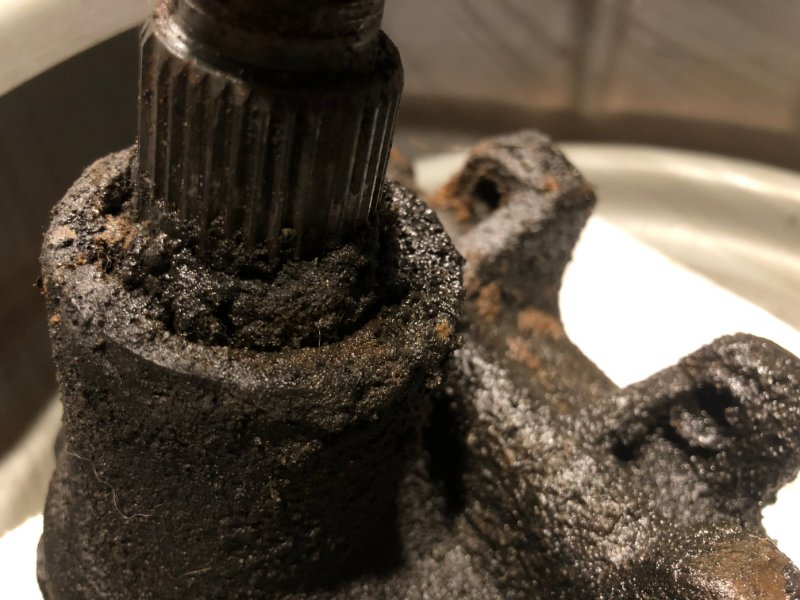
Ok, time to get back to work after a couple weeks of mental masturbation over lift options and plans... I can't remember the last Saginaw steering gear I redid, but I took a chance on getting this one apart and seeing if it was worth a rebuild. Top plate stamp messed with my head a while, most of the documentation on markings is from the 60s-70s. 7A085 I think means year ending in 7 (1987), A for I don't know what, followed by the Julian date code 085 for March 26th (4 days before my MJ rolled off the line). This is the nastiest box I've ever personally dealt with:
-
@tugboat95 I've seen a fully restored MJ, don't know the year, about 8 1/2 miles east of Kinston on 58. I make the drive from Clayton to EI quite a bit and I used to see it almost every weekend. It's orange. I haven't seen it in maybe the last year or so, but it was what pushed me to find the MJ I'm working on now. The guy's got what looks like a Renix or early HO XJ (red) on blocks, either for parts or set aside for work). Also a burgundy WJ is there a lot, looks like a daily.
-
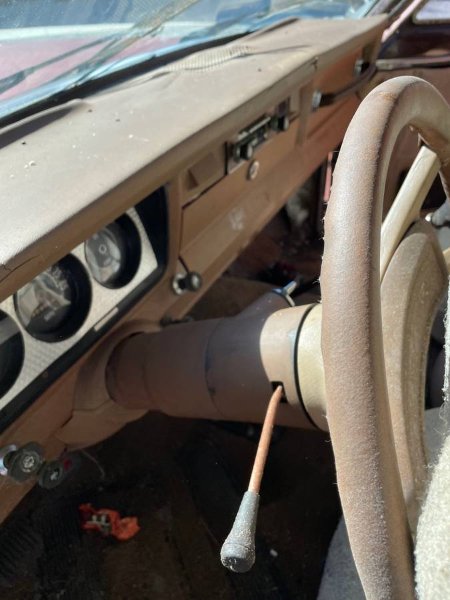
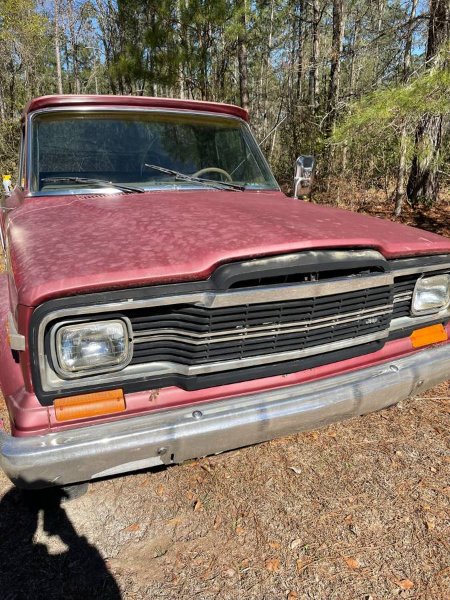
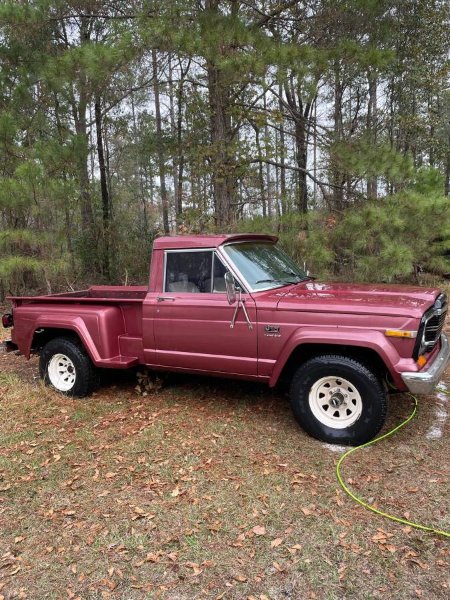
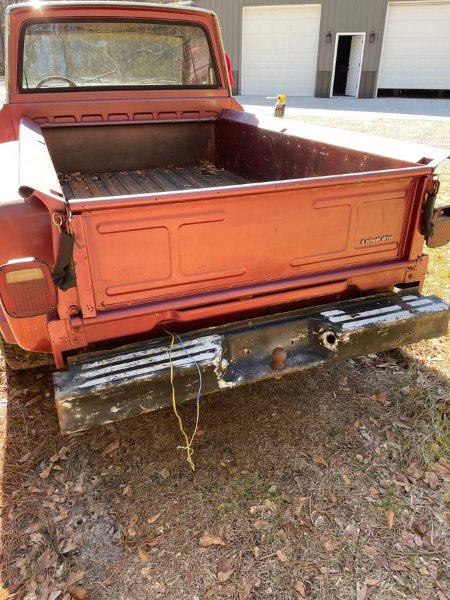
 He's asking 10k, probably a good buy at 6-7k for no visible rust, 81k original miles, all factory: https://raleigh.craigslist.org/cto/d/clayton-1980-jeep-j10-sportside-4x4/7586510045.html Posting pics for posterity since ads disappear.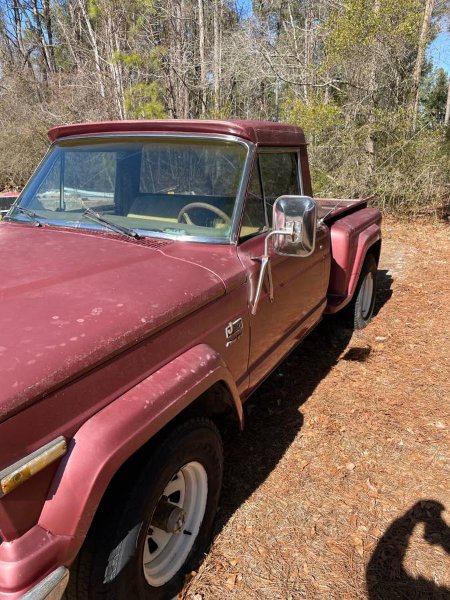
-
One idea to throw out there - SPDT switch; position 1 is power to fuel. Position 2 it completes a supplemental circuit to the (air) horn, with an open triggered closed on the ignition switch or some other circuit the thief will activate by trying to start it. EDIT: I think I stole Ohm's idea (great use of the built in behavior of the ignition switch and start sequence) by way of incomplete reading on my part... I think his idea still works if hotwired at the switch wiring on the column. My idea was thinking hide the switch and second circuit to a second horn somewhere underneath and let the ignition switch close the circuit to the (second) horn once armed at the switch with fuel turned off.
-
That looks like an early-80s 110. Buddy of mine in Charlotte had one when I was in junior high school. Major hijinks on that thing...
-
General Spring 97-555 is the standard load 1280# spring, 97-571 is the ton/ heavy duty 1700# spring. $149.99/ $199.99 each, respectively. Interestingly, Dorman part numbers are exactly the same. General charges quite a bit for shipping, but the Dorman re-branded units sold on Amazon mostly ship free. For ride quality I'm eventually going with the standard duty springs with a Rocky Road SOA 6" rear lift. About $635 altogether, with new springs and the shipping on the Rocky Road SOA kit. With the $500 Rusty's 4.5" springs you're still SUA and putting those springs SOA would give 8-9" lift (too much in my book), quality concerns aside. Standard duty $136 Heavy Duty $254
-
Spotted today: https://raleigh.craigslist.org/pts/d/creedmoor-dana-30-dana-gear-set/7585268601.html
-
Such a familiar piece of kid tech! Sadly my youngest aged out about 18 months ago. I have 2 in college and one in 5th grade. All girls!
-
Agree. I almost feel like the OP is at a disadvantage with a bare block. Easier to get a complete engine with harness and electrical for <1k and swap that in.
-
Well, yes and no. 6 bolt mains, a lot more webbing than Gen I/II SBC for sure but with a couple of exceptions they're all powdered metal rods and HE pistons. With the pistons being the point of failure when something goes dangerously lean with a power adder. Lift a ring land and the magic smoke goes out. Freiberger and Co. did a 'boost it till ya kill it' test a few years ago, thinking they were testing a 5.3 and discovered at the end, having thrown 2 dyno runs at 29psi at it, it was a LR8 4.8l. If you consider 15-17psi 'high boost' then yeah, they'll take that for quite a while with good tuning. North of 20psi and it's on borrowed time, regardless of tune/ intercooler with stock rotating assembly. ANY stock Gen III/IV/V SBC will eclipse HP and TQ numbers from a stock or moderately built 4.0. and be cheaper than a 4.0 based stroker.
-
Which 5.3 block did you get? Gen III or IV? If it's Gen III, the OE LM7 rotating assembly is plenty, and has 8cc dished pistons for a SCR of 9.5:1, 87 pump gas all day long... All 5.3, Gen III and IV have 3.78" bore, 3.622" stroke with a 6.098" rod. A longer rod won't get you anything unless you're doing a lot of time at high RPM, where piston speed can exceed a safe limit with a factory length (or shorter) rod. Hypereutectic pistons are just cast aluminum with silicon added for thermal stability vs expansion/ contraction of the aluminum so they keep their diameter and shape in the bore. Stock HE pistons aren't likely to encounter failure unless they see big heat spikes from too much boost or nitrous and not enough fuel. Both of of these power adders are successfully applied to factory LS rotating assemblies all the time (up to a sensible point). I wouldn't waste money on a forged rotating assembly or longer than factory rods in an engine that won't have power adders or see long stretches of high (>5800) RPMs in an XJ. Also, longer rods mean higher piston pin height and less material above the wristpin, and more expensive pistons. A factory spec LM7 or Gen IV equivalent would be plenty- 280HP, 325lb ft. The LM7 truck cam is like 190* duration and .460" lift, that might make sense to bring up to the 202* - 207* / .495" - .500" range without losing any low end torque. I'd keep a wide LSA as well, no lower than 114*. LM7 heads are very decent. The 706 and 862 heads are 200cc, have a 61cc chamber, and are in large supply in every boneyard. A decent machine shop can clean them up and set them up for you. Almost everything you'd want to put this engine together could be had cheap. Perfect recipe of 'good' and 'cheap.' It doesn't need to be 'fast' (good/fast/cheap: you may choose 2) King bearings are also my preference, Hastings rings are good as well.
-
Help me identify shocks, rear leafs
Gojira94 replied to Gojira94's topic in MJ Tech: Modification and Repairs
Yeah, I thought it looked like the 2nd and 3rd from the top are the same. Maybe a bastard pack plus an AAL. -
Where to buy MJ lift leaf springs?
Gojira94 replied to zfinger's topic in MJ Tech: Modification and Repairs
2023 update for prices of options discussed in this thread, not including any taxes or shipping: Alcan - still doing quote requests, I can request a quote for 3", 4.5" options, anyone else wants to do it go ahead $384.03 Hell Creek 4.5" rear leafs HC-9745 (each) $439.43 Hell Creek 0" rear leafs (metric ton) HC-9722 (each) $529.00 Rusty's Offroad 4" rear leafs RC-LS450-MJ (pair) In this current thread and also this other one https://comancheclub.com/topic/59451-1989-comanche-rear-lift/ there are multiple negative comments about Rusty's Offroad stuff. A couple members said they have the Rusty's rear springs and thought they were ok. I couldn't find any mention of the reasons or negative experience with specific parts. I'm not asking for a re-flame, just any anecdotes from personal experiences with parts, how they failed and why. Any other leaf springs anyone is aware of? Not including add-a-leaf kits, shackle lifts, etc.? I've not seen any others except some manufacturers offering reproductions of the 2 OE options (General Spring, Springworks, Crown, Omix-Ada, etc.) -
Help me identify shocks, rear leafs
Gojira94 replied to Gojira94's topic in MJ Tech: Modification and Repairs
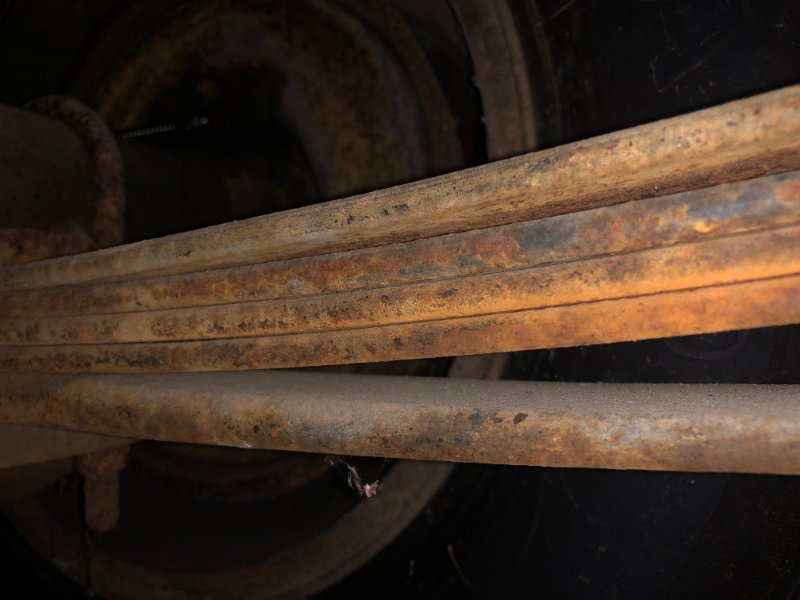
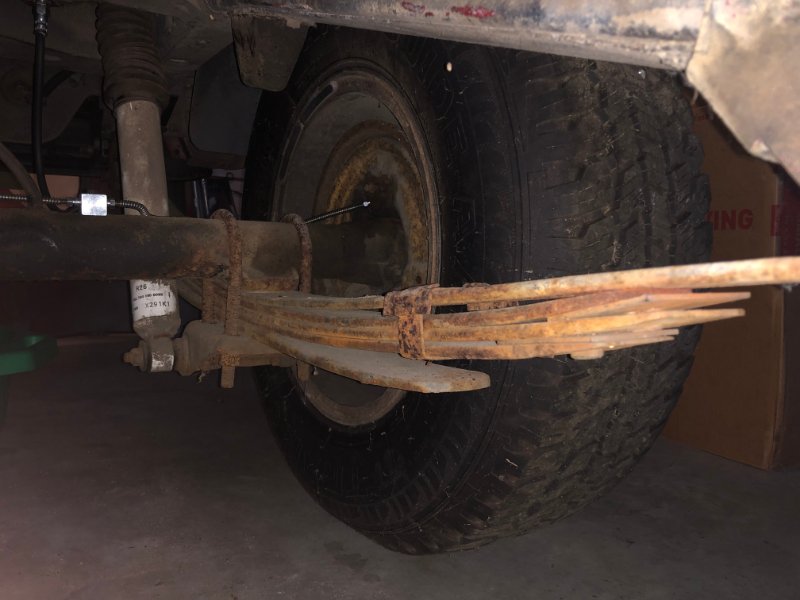
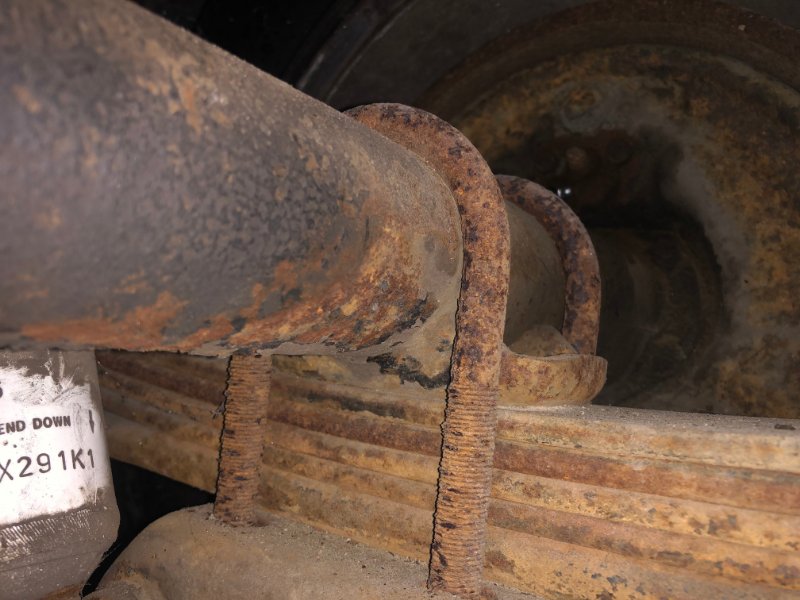
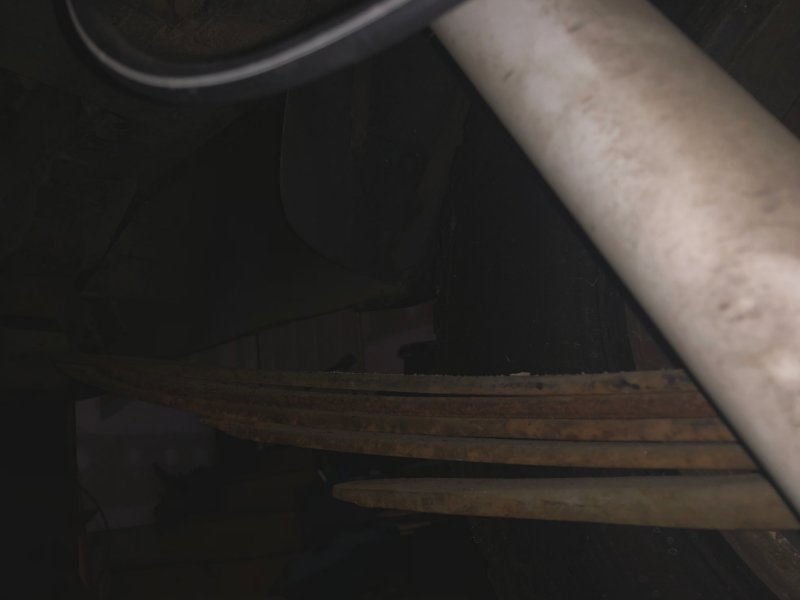
This is the driver's side leaf. Almost looks like a cobbled together leaf pack from IDK. All the hardware is trash...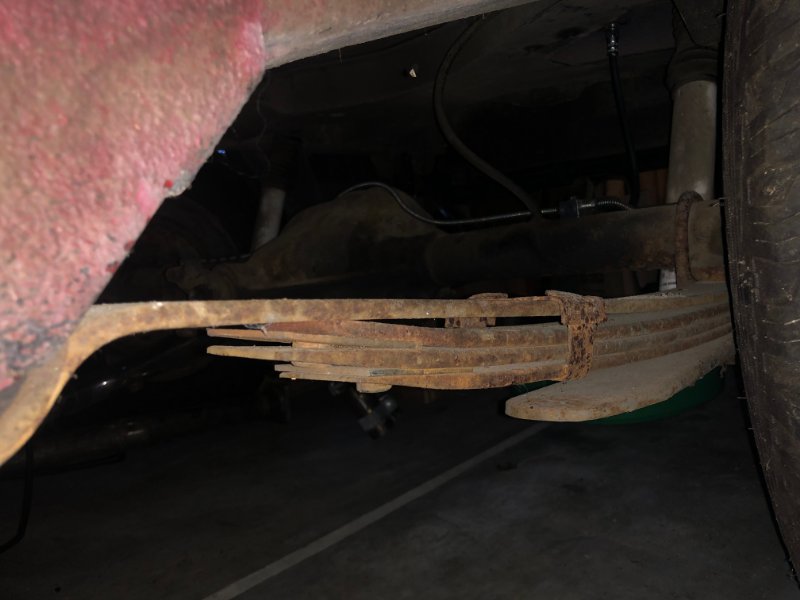
-
New Injectors issues. (Maybe?)
Gojira94 replied to Skylynx's topic in MJ Tech: Modification and Repairs
I'd just elongate those mounting holes on the tabs of the rail. Looks like you've got a few mm to give at the fuel return hardline bracket and the inlet side is flexible fuel hose. Billet Specialties makes all manner of adapters for injector to rail height adjustment, but I think that would be way more trouble than 2 minutes with a Dremel on those holes. -
Help me identify shocks, rear leafs
Gojira94 replied to Gojira94's topic in MJ Tech: Modification and Repairs
ABJ, Pete thanks for the mini-clinic! I'll get some better pics when I get back home. Rusty's has some 4" rear leafs available, though not cheap might be a good replacement in the future, probably with an additional .75" coil spacer in the front. I'll have to see how it all shakes out once this thing is finally back together. Still a long way to go! -
Intermediate Steering Shaft blues...
Gojira94 replied to Gojira94's topic in MJ Tech: Modification and Repairs
The XJ shaft I put in my '92 C1500 is the same as the shaft I got from Crown. I'm thinking my way backward in time to when the PO installed a springs/shocks-only 3" front lift and considering possibilities of what it's done to the drag link and tie rod adjustments, if actually anything meaningful. Might be able to finagle the wheel somewhat closer to center. Also, since the axle swap is imminent, everything will be apart anyway. I'll have the opportunity to piece everything back together thoughtfully and may have an epiphany in the process. Shaft in my 1500- also showing off the rusting tops of my ARP head bolts lol. Brass brush and a rub of anti-seize every few months ought to keep it at bay. IDK.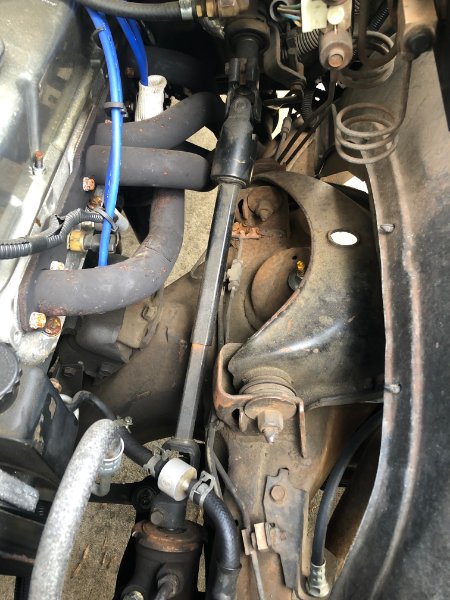
-
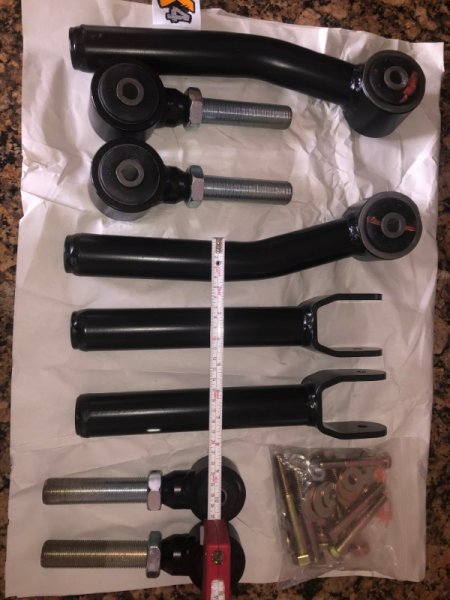
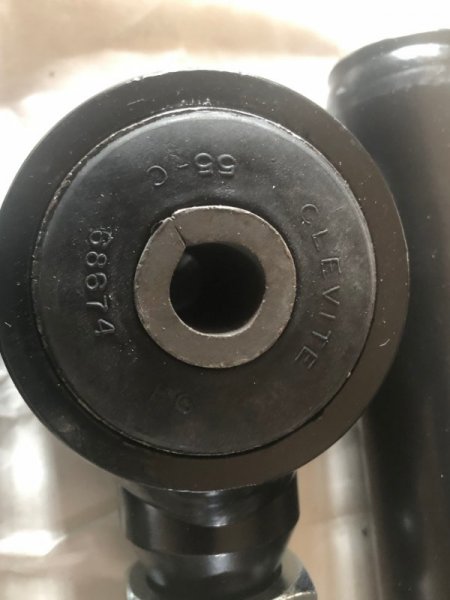
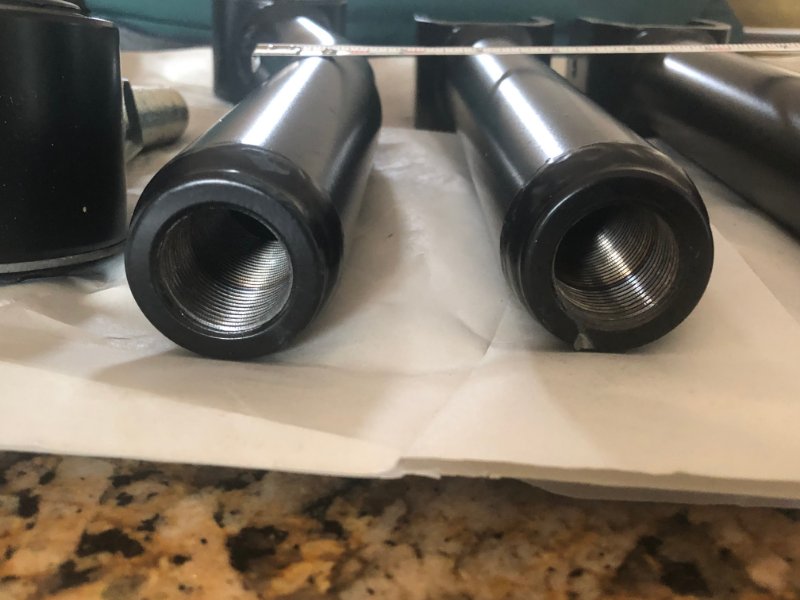
Front control arms from Core4x4 showed up today. They are VERY stout. Clevite bushings, as advertised. I paid the extra for the hardware kit, glad I did, I'd have paid more trying to gather all that piecemeal.
-
To power only ONE amp? 12/2 romex is good for TWENTY amps!
-
Help me identify shocks, rear leafs
Gojira94 replied to Gojira94's topic in MJ Tech: Modification and Repairs
Yep, made by Tenneco. Here's the difference on the Rusty's by Tenneco. RX-26 XJ Rear: Collapsed Length: 15.17" Extended Length: 25.07 (9.9" travel) RX-13 MJ Rear: Collapsed Length: 15.67" Extended Length: 26.07 (10.4" travel)