

AZJeff
-
Posts
1312 -
Joined
-
Last visited
-
Days Won
1
Content Type
Profiles
Forums
Gallery
Everything posted by AZJeff
-
Rear white back up lights wiring ?
AZJeff replied to AMC86Kid's topic in MJ Tech: Modification and Repairs
One more knowledgeable than I has spoken. Good post. -
Rear white back up lights wiring ?
AZJeff replied to AMC86Kid's topic in MJ Tech: Modification and Repairs
The AW-4 neutral switch is attached to the gear select shaft, not like what is shown in the above photo. Of course, the AW-4 was used with the 4.0L straight six. I don't know which auto trans was used on the V-6 equipped MJ/XJ vehicles, and don't have a shop manual that goes that far back. Sorry... -
Upper shackle bushing replacement
AZJeff replied to ghetdjc320's topic in MJ Tech: Modification and Repairs
I can appreciate doing that job under less-than-ideal conditions. It's a HUGE PITA. -
Upper shackle bushing replacement
AZJeff replied to ghetdjc320's topic in MJ Tech: Modification and Repairs
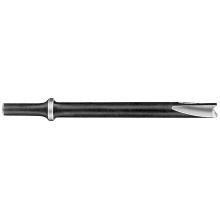
This activity is where an air hammer with a slitting type chisel tip works WONDERS at getting those bushings out.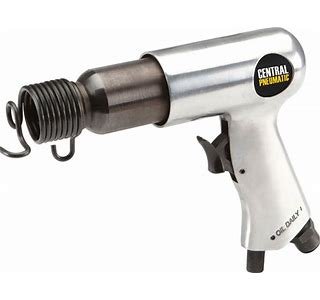
-
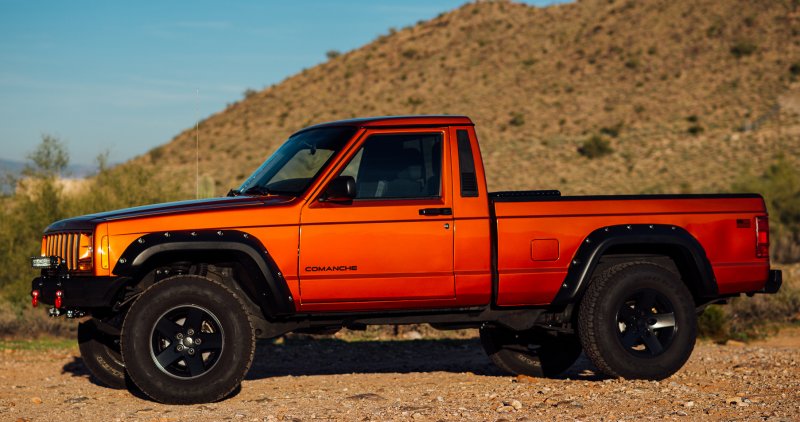
Original sub-model is unknown to me. It's a SWB. Now equipped with 4.0L/AW-4/NP231 from a 2001 XJ. Front axle is low pinion D30. Rear axle is D44. Front sheet metal and doors are from 2000 XJ, as is dashboard/console. Vehicle is painted in color found on 2011 JK called "Mango Tango Metallic" Now sports 3.5 inch lift, ZJ rear disk brakes, and 17" "Moab" wheels from Jeep Wrangler. I use it as a semi-daily driver, with my 2014 JK as a backup.
-
Painting black door handles?
AZJeff replied to 87MJJeep's topic in MJ Tech: Modification and Repairs
I painted mine with “trim black” and it looks great. But... my wedding ring (made of tungsten) wears off the paint on the inside. Oh well..... -
I also recommend lubricating the release cable. Take the cable off the bell crank, and use some lubricant down the end of the cable and work the cable back and forth. i use a lubricant intended for bicycle control cables. Doing this lessens the pull force quite a bit.
-
Charcoal/Vapor Canister Relocation?
AZJeff replied to JeepFanatik's topic in MJ Tech: Modification and Repairs
The method Dzimm is suggesting works quite well, and can be tucked up next to the rail of the "uniframe". -
Anything better than a rattle-can paint job needs to have all rust neutralized/removed and any holes repaired before painting, or it will come back quickly. if you plan to add oversized fender flares, any cutting, etc. for those should be done before painting.
-
That is a REALLY FIRST CLASS job of fitting that OHC into the MJ roof. I had an XJ with that long console, and the one I have in my MJ now came with the vehicle (but not connected) and is the "mini" one, with only some map lights, and no thermometer/compass. I like yours much better!
-
Down here in AZ, there are a bunch of smaller (semi-micro brewers) who offer some good IPA's: San Tan Brewing "Moon Juice Galactic IPA" (Chandler, AZ) Dragoon Brewing "Dragoon IPA" (Tucson, AZ) Mother Road Brewing "Tower Station IPA" (Flagstaff, AZ)
-
Leaf spring and shackle, how much space?
AZJeff replied to nknapp16's topic in MJ Tech: Modification and Repairs
Add washers to space it properly. Crushing the shackle will make for problems if you have to disassemble it later. -
I would definitely recommend the ZJ steering parts (tie rods & drag link). i do not think there is any difference between ZJ and MJ/XJ ball joints. i hate the design of the factory track bar where it attaches to the bracket on the chassis. If you can afford the scratch, I would upgrade to an adjustable track bar and corresponding bracket that does away with the ball and socket joint on the chassis end.
-
I have labeled the chassis pieces in the attached photos you took. I suggest you go to Rock Auto, because they will show you pictures of the parts offered, and you can match not only the names of the parts, but you can confirm the appearance.
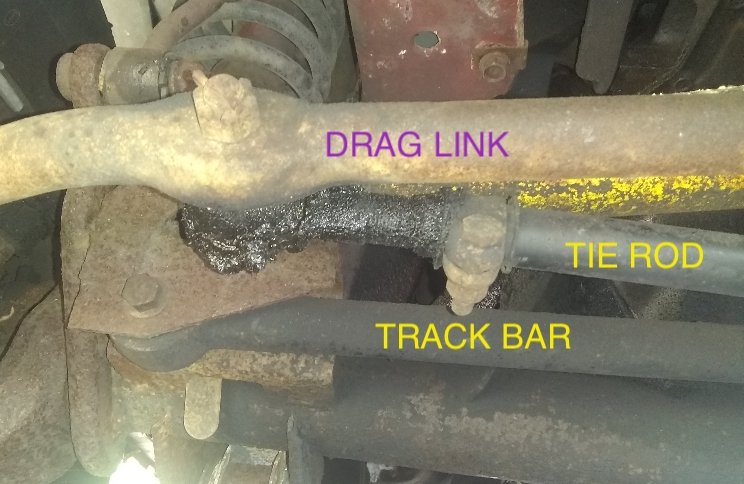
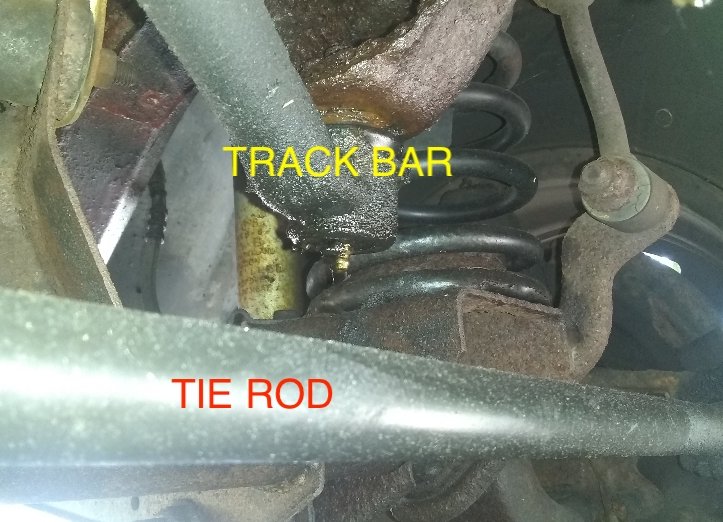
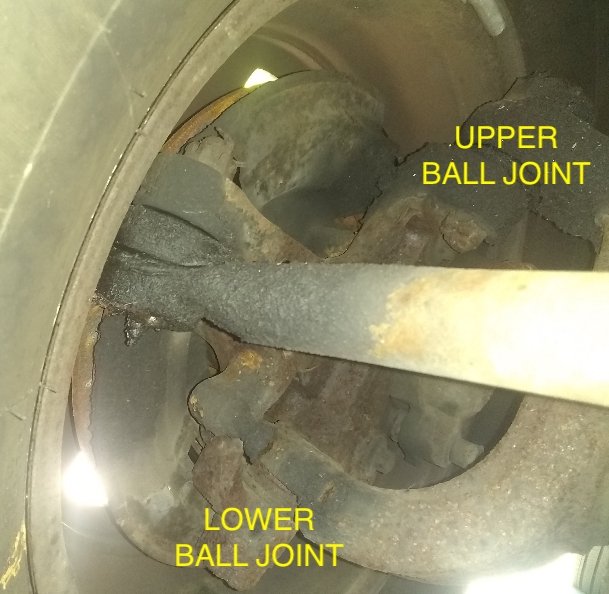
-
Good point, especially if you are running larger wheels and tires and/or have a significant lift.
-
There isn’t a kit, per se. you just purchase all the pieces for each subsytem. —upper and lower ball joints for the axle —tie rod ends and drag link Ends for the steering —complete track bar i would go to Rock Auto to get the parts. The Moog brand would be among the selections available, and is a very good choice.
-
Ahhhh.....OK. So can you send us a pic of your cowl and the hole that needs plugging? WIth more details, I might be able to suggest a solution other than welding.
-
Does the photo you supplied show this "other hole", because I don't see anything that looks very large and needing to be plugged.
-
It started with a Harmonic Balancer....
AZJeff replied to Mr.H_H's topic in MJ Tech: Modification and Repairs
Agreed with the suggestion to clean the gunk off. The oil on the rubber bushings for the shock will cause it to deteriorate. Time to get some foamy engine cleaner and the hose, and go to work on the engine compartment. -
Do you want OEM equivalent to attempt to restore your MJ to factory appearance, or just good seat belts? I used these guys, and their belts are perfectly acceptable, but they are not a perfect match to OEM. However, I went with the type of female buckles that are attached to a stiff cable, rather than the fabric type, as they are easier to find with a bucket seat and a console.
-
Rubber Windshield Molding
AZJeff replied to WahooSteeler's topic in MJ Tech: Modification and Repairs
No need to take the metal studs off that are welded to the frame around the windshield, but I WOULD remove the little clips, especially if they are the steel kind. They have a tendency to cause rust, even when they are not holding anything down. I am assuming you are having a auto glass shop put the new gasket (molding) in at the same time as installing the windshield itself, because the rubber fits over the edge of the glass prior to being adhesively bonded to the window opening. -
I haven't seen anyone talk about this here, but based on my experience with XJ's and my MJ, the cooling system for the engine is the Achille's Heel of the vehicle. Not taking care of your cooling system can result in getting stranded somewhere (which is annoying) or, worse yet, an overheated engine with head cracks and/or head gasket issues, (which is expensive). Take care of your cooling system: keep the coolant clean, and use distilled water when mixing the antifreeze keep the radiator in good shape. One that has corrosion in the tubes cannot transfer heat. Keep dirt/bugs our of the fins by washing it with a hose nozzle once in a while watch your hoses for soft spots or bulges use a good working pressure cap on your cooling system. The ones in the "closed" systems are especially prone to failure, as is the plastic pressure tank. A cooling system that won't hold pressure will overheat sooner. keep the factory shroud for your mechanical fan installed as from the factory. It helps the fan pull air through. this has been mentioned before, but DO NOT change your thermostat to something with a lower rating than the 195* original level. A lower temp. thermostat WILL NOT make your engine run cooler.
-
Stripped rear drum brakes
AZJeff replied to conrad_the_mj's topic in MJ Tech: Modification and Repairs
If that is a standard MJ cylinder, they are universal for both sides. It's been so long since I looked at an MJ/XJ wheel cylinder, I became confused and gave the wrong answer in my above post. In thinking more, I answered that there were different for each side based I what I remember about FORD wheel cylinders, which, of course, doesn't help much for an Jeep owner. Sorry for my bad information above. -
Stripped rear drum brakes
AZJeff replied to conrad_the_mj's topic in MJ Tech: Modification and Repairs
Usually, the right and left wheel cylinders have the bleeder location and inlet tube location inverted from one side the the other, and thus are side-specific. -
Tru dat. But most former owners probably did not follow that rule. Proof of that is the “custom” wiring we see on older MJ and XJ vehicles, using twisted wires and electrical tape, or wire nuts. An owner that would do that wouldn’t worry about distilled water in the cooling system😢