


ghetdjc320
-
Posts
5212 -
Joined
-
Last visited
-
Days Won
1
Content Type
Profiles
Forums
Gallery
Everything posted by ghetdjc320
-

1991 Eliminator Resto-Mod
ghetdjc320 replied to ghetdjc320's topic in Member Projects: Your Comanches
Then I spent about 2 hours meticulously wet sanding and polishing the gauge plastic overlay. It’s super clear now. Can’t even tel it’s on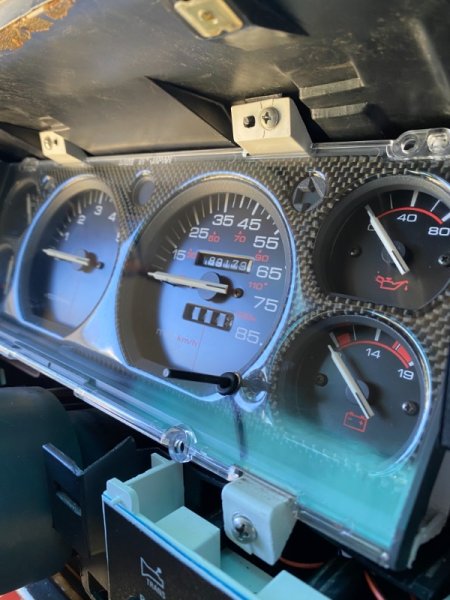
-
1991 Eliminator Resto-Mod
ghetdjc320 replied to ghetdjc320's topic in Member Projects: Your Comanches
Installed new 91 correct dash clock that I polished a cleaned up bit by bit. I really like how the clock turns on.
-
Modified Truck Value??
ghetdjc320 replied to Tentrax_Brent's topic in MJ Tech: Modification and Repairs
The market varies greatly and we’ve discussed that on a few build so far. I was offered 18k for mine but declined. It’s fairly modded as well. I took it off the market and decided to keep it but another couple of weeks may have netted 20k. And just to note, I have way over 20k into it. The market as a whole hasn’t really nailed down MJ prices. Many pick up there trucks dirt cheap and others are willing to pay. When I was trying to find a nice MJ about 5 or so years ago, most the ones I liked were in the 10-13k range. Ultimately it all comes down to finding the right buyer. -
That’s a really neat top!
-
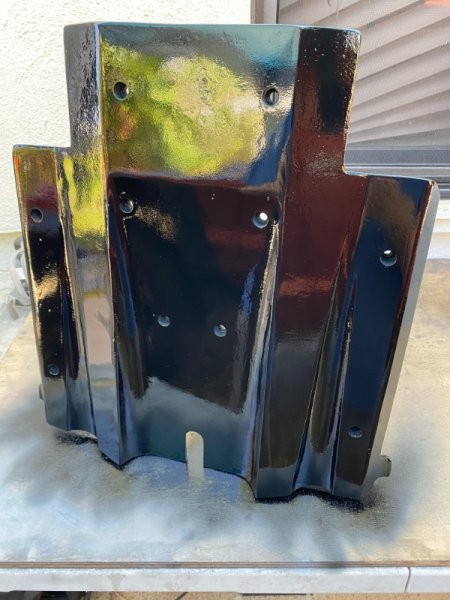
Been truing up and adjusting the ride plate. Just finished with some epoxy paint.
-
Stainless still rusts. It would need to be at least 316 stainless and would need to be a c channel design so it doesn’t trap any water. Thousands and thousands for no real gain
-
How to get this screw out
ghetdjc320 replied to Jesse J's topic in MJ Tech: Modification and Repairs
Bring on page 8. I just don’t see how we can go from removing a screw to a stroker build and axle swaps. Master the basics of mechanics first. Not to be harsh but clearly it would not be advisable to move straight from a stuck screw to an axle swap, engine build, suspension mod etc. -
I absolutely love the brutes. Also seen some nice LJ truck conversions done with the gr8tops setup. Tailgate conversion and a bit of reworking of the new bed area and that’s one sweet rig. I’d absolutely love to build one and throw in a nice little diesel. Dream build there... The crown OPDA is an easy swap out and has the lubrication passage upgrade for that upper bushing. Those oem units will start to tick when they’re on their way out.
-
Jerry Bradsford pretty much runs that forum anymore. Chris (site admin) just follows his lead it seems. A lot of the real experts in the TJ field left over the past few years. Actually a lot of them just stopped posting on forums at all. I still see them on JeepForum and Pirate occasionally.
-
LJ’s are nice candidates for Brute style conversions also. I’d recommend you stay away from the 05 6 speed. So many TSB’s for that tranny, had one in my 05 Rubicon and that was such a pain to get fixed. Also, the small channels on the bottom of the body is where mine started trying to rust. The frame never had any problems though.
-
I had Safelite do my windshield swap a few years back and they swapped in the 97+ XJ windshield and trim in. Turned out great and was like $250 installed.
-
Steering being funny
ghetdjc320 replied to billyblankss's topic in MJ Tech: Modification and Repairs
Are any of the lines to the power steering pinched? Is the power steering pump starting to make a whining noise? There is a high pressure feed and a low pressure return side to the power steering system. Very straight forward plumbing. The pumps start to whine when they are going out or get too low on fluid but check it either way. If you happen to be very low on fluid make sure to bleed the air out of the system by removing the tie rod end from the steering gear pitman arm and turning your steering wheel slowly from lock to lock at least 20-30 times slowly. Let it sit overnight and repeat that process and it should be well bled of any trapped air. -
Just saw this. Wow that’s a great tie in spot! Very clean
-
Keep in mind that with salt water I actually have seen aluminum rust though. It’s crazy, I never thought it would do that. Being here I’ve learned of the various grades of stainless steel and the different processes for keeping things from rusting. Galvanic corrosion is also crazy. Stainless bolts in aluminum etc. If I could have a whole aluminum frame made and then have it anodized with a specific color that’s probably the only thing that would last semi-permanently. Epoxy paint holds up fairly well too I’ve noticed.
-
How to get this screw out
ghetdjc320 replied to Jesse J's topic in MJ Tech: Modification and Repairs
Give it a shot. Post a video if you can’t get it to work so we can see how your going about it. -
How to get this screw out
ghetdjc320 replied to Jesse J's topic in MJ Tech: Modification and Repairs
I’m guessing you couldn’t get them to work because the screw head is angled down to close to the pillar? Long thin metal object should work to tap it into position. -
Doesn’t stick well to galvanized steel plus it’s tough to repair. It will still just rust underneath the liner. Gold galvanizing compound is what I use for touch ups and it really does hold up to the salt very well. But yeah, it would be cool if it matched. Maybe a matching tool box for it.
-
How to get this screw out
ghetdjc320 replied to Jesse J's topic in MJ Tech: Modification and Repairs
Ok, in all seriousness. Get a hammer and chisel or something equivalent and tap the screw so it is angled up then get a good #2 Phillips screw driver on it and turn is counterclockwise. If the screw head drops down again just tap it back up. Needle nose vice grips would also have it out in a few seconds (not by yanking it out but by turning it out). This thread will never die as long as that screw persists so let’s put it out of its misery. -
That would be cool but I can’t do much paint wise with a trailer that is metal and get submerged in salt water. Rust is such a constant battle
-
How to get this screw out
ghetdjc320 replied to Jesse J's topic in MJ Tech: Modification and Repairs
That will involve more screws lol -
-
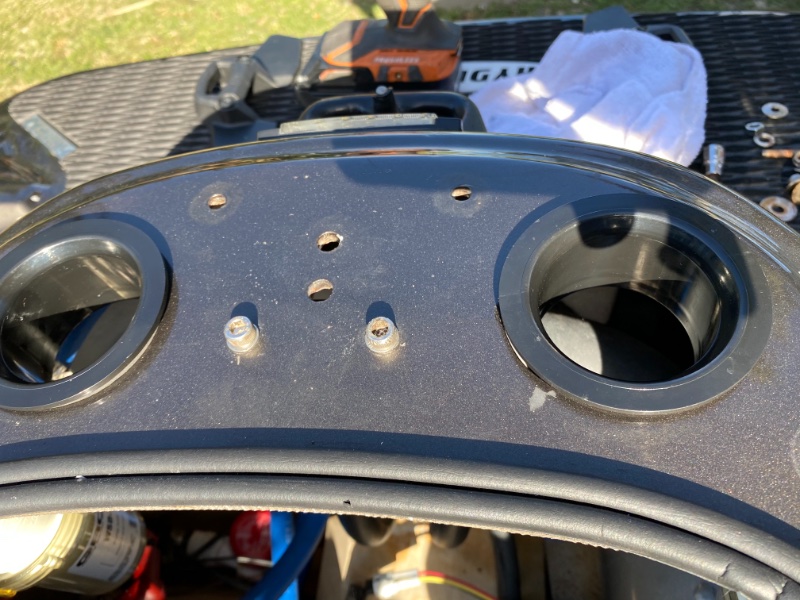
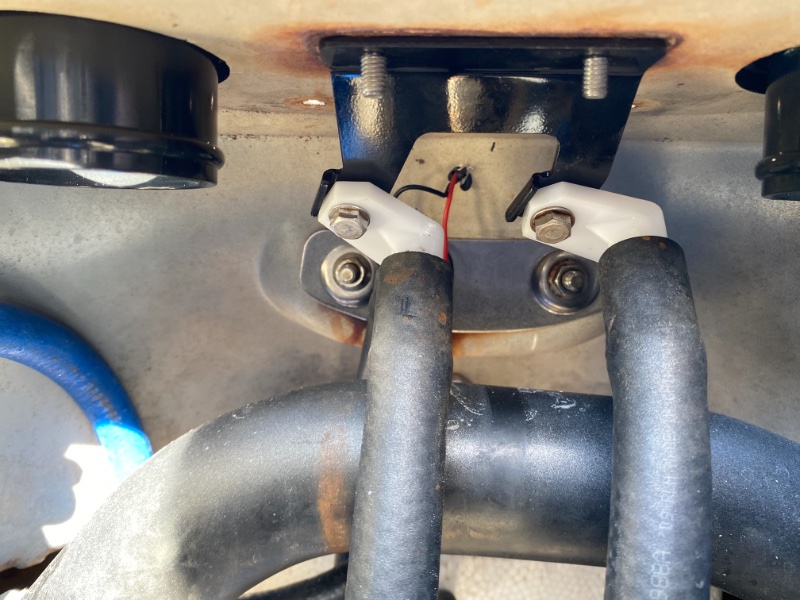
Few more mods done today. getting ready for a new pump and skat impeller next.
-
Lowering an already lifted truck
ghetdjc320 replied to j_gevans's topic in MJ Tech: Modification and Repairs
From what the original poster sent us it looks like a fairly straightforward process to get it back down to 5.5”. Going lower than that could get pricey and involve a lot of work. Nix the shackles and spacers and see what that nets -
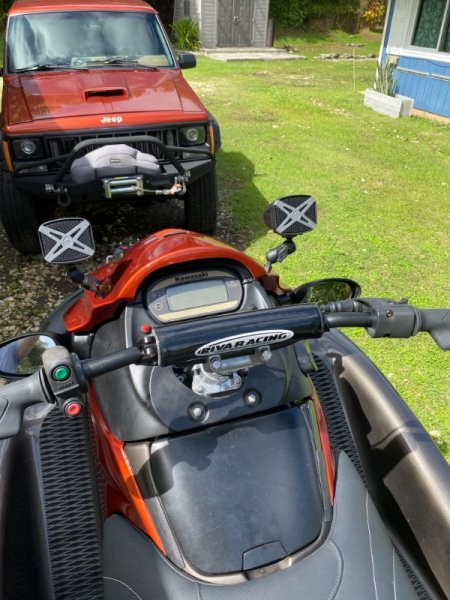
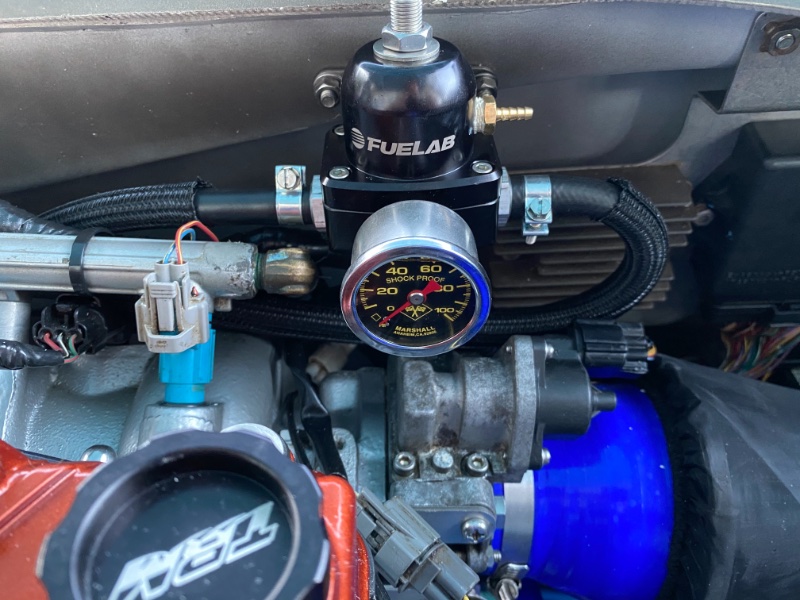
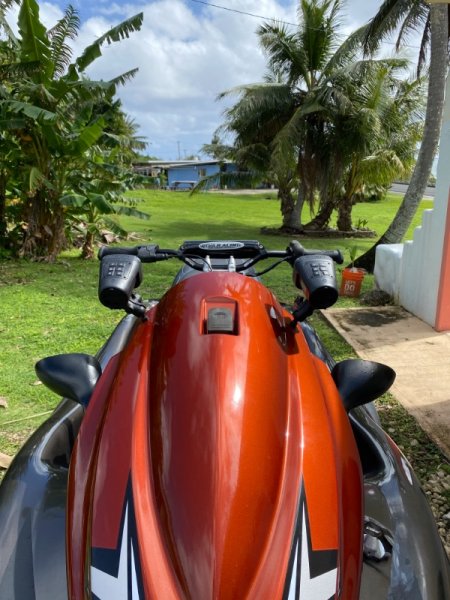
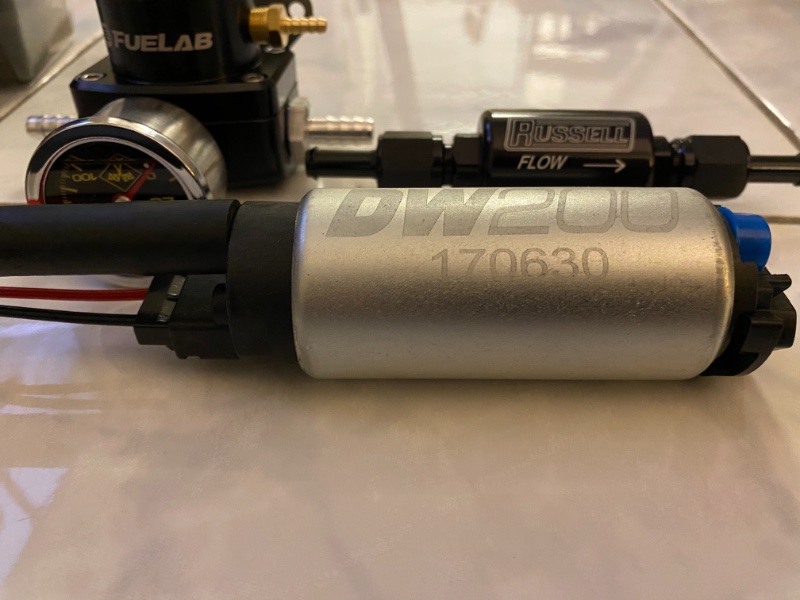
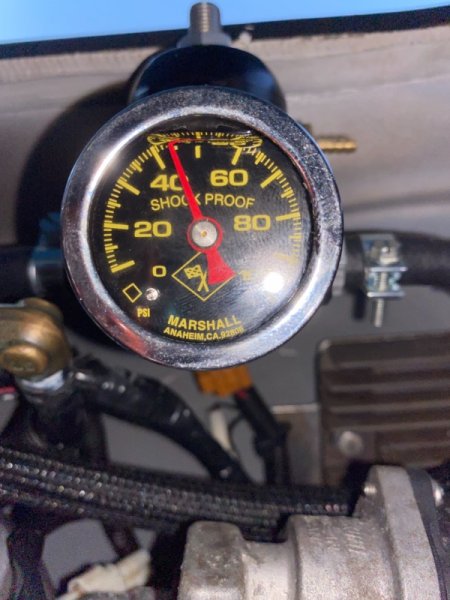
Audio system added, complete upgraded fuel system. Deatshwerks STI pump, Russel fuel check valve, and fuel lab adjustable FPR. Just got a set of injectors back from the rebuilders also and had them all flow matched and rebuilt. New skat track impeller and some pump mods happening next.

-
And the mods continue