
cruiser54
-
Posts
9413 -
Joined
-
Last visited
-
Days Won
14
Content Type
Profiles
Forums
Gallery
Everything posted by cruiser54
-
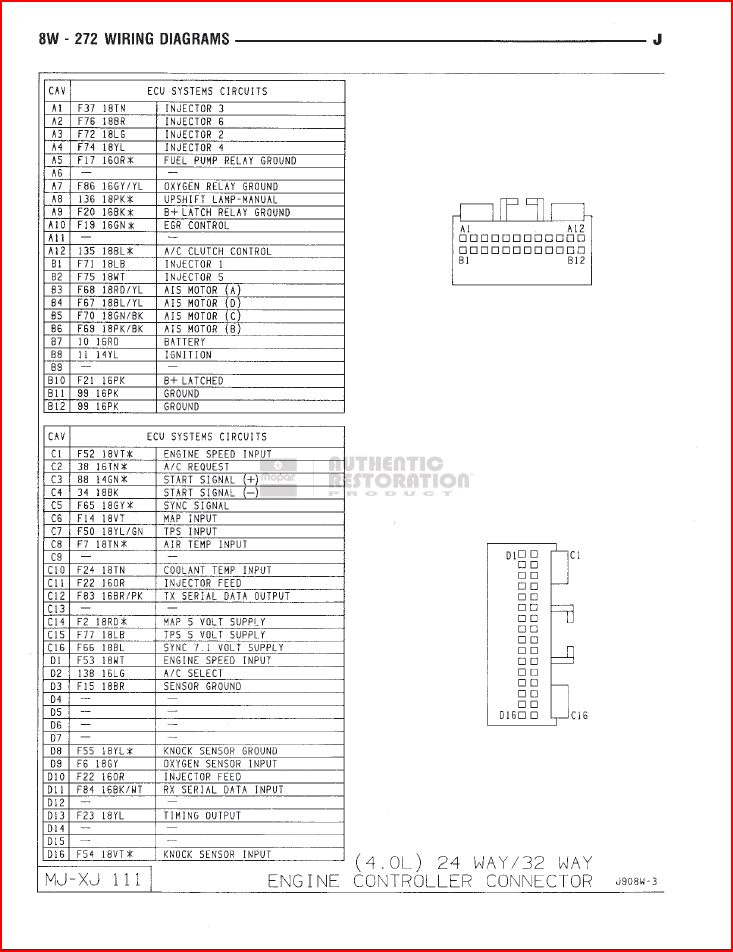
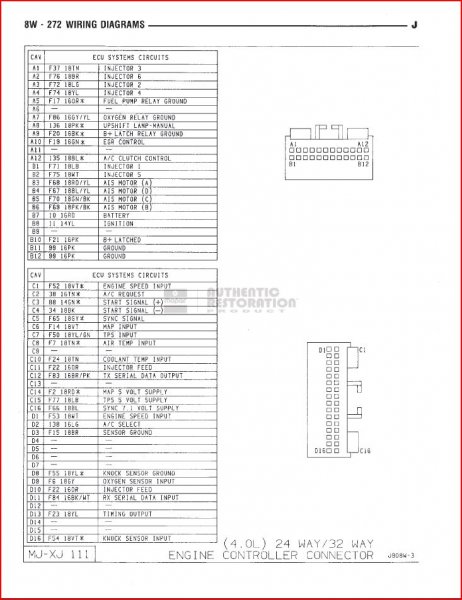
Gotta find why the reference voltage is that high. c14 and c15 are reference voltage outputs from the ECU. Find out which one is reading high and go from there. Pretty much has to be between the engine and ECU.
-
2 wires are melted together somewhere.
-
I wonder why you're seeing a variation when doing the "wiggle test"
-
Tip 6 comes to mind......
-

Unending CPS issue after Ax15 swap...
cruiser54 replied to Bonkers's topic in MJ Tech: Modification and Repairs
So, you're getting no output directly from the CPS, correct? -
Unending CPS issue after Ax15 swap...
cruiser54 replied to Bonkers's topic in MJ Tech: Modification and Repairs
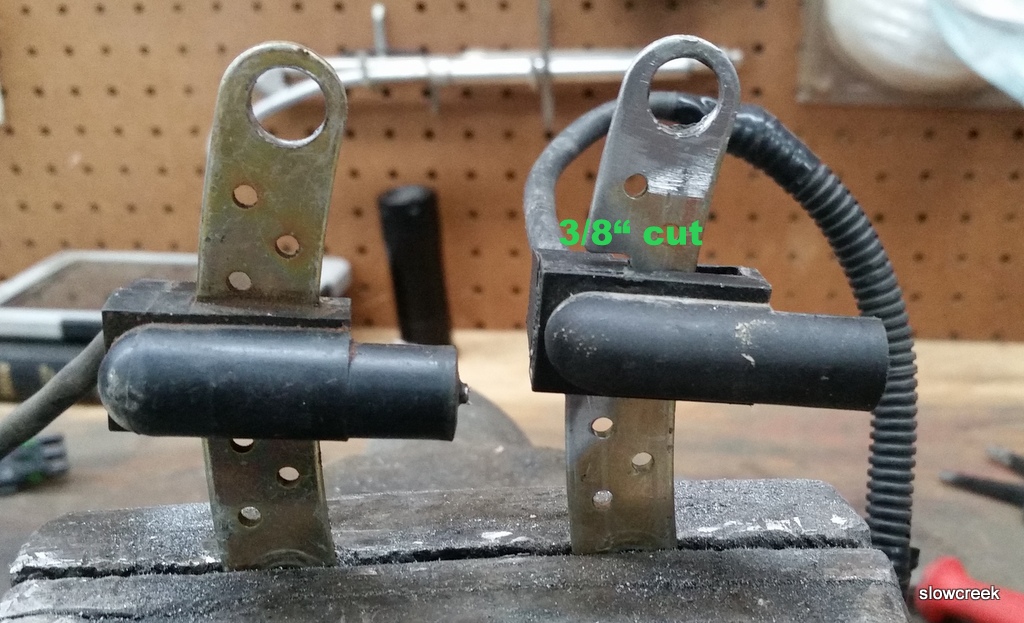
Consider sacrificing one and do what I did. -
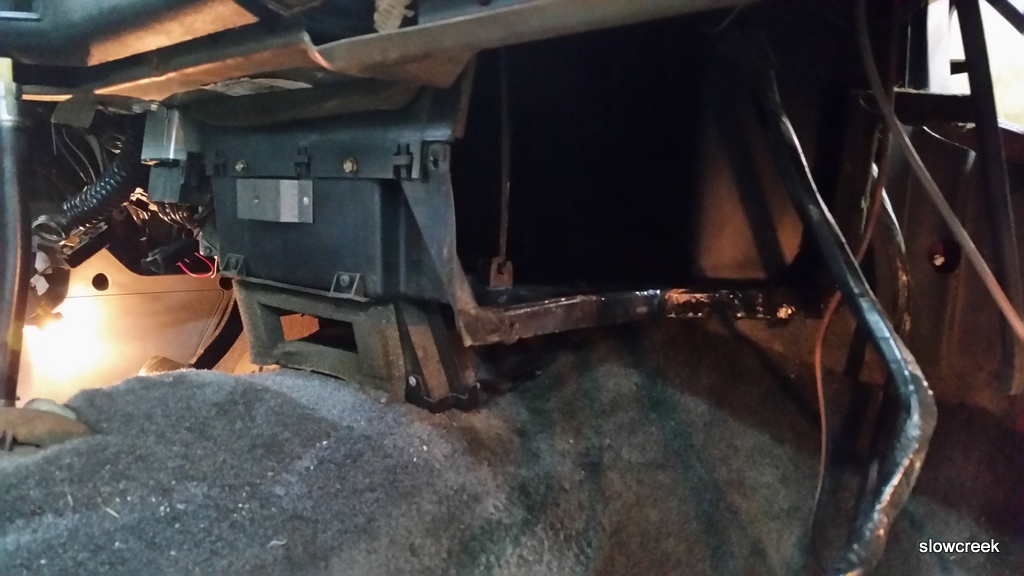
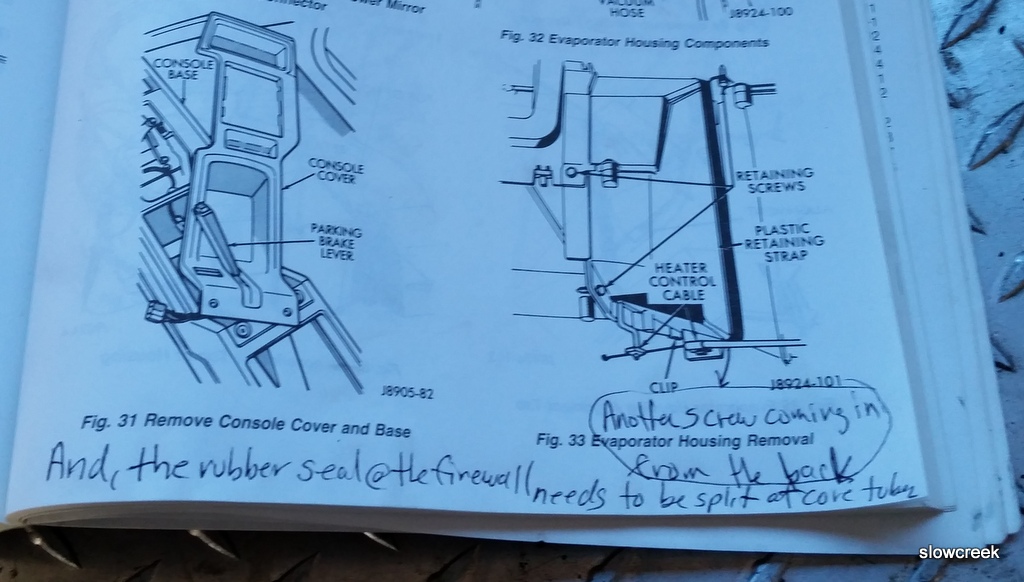
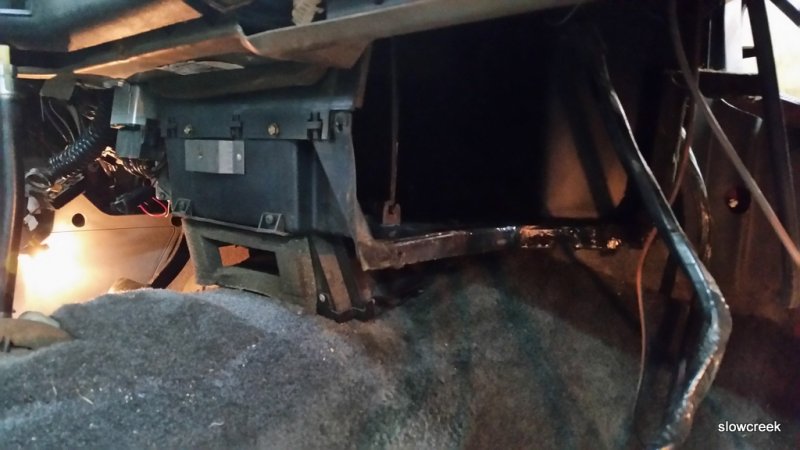
No need to remove the whole dash at all!!! I've done these before and gonna do it again. Save yourself a ton of time and follow the FSM procedure.
-
No need to pull the dash. Loosen the bolt/nut on the passenger side and lift up.
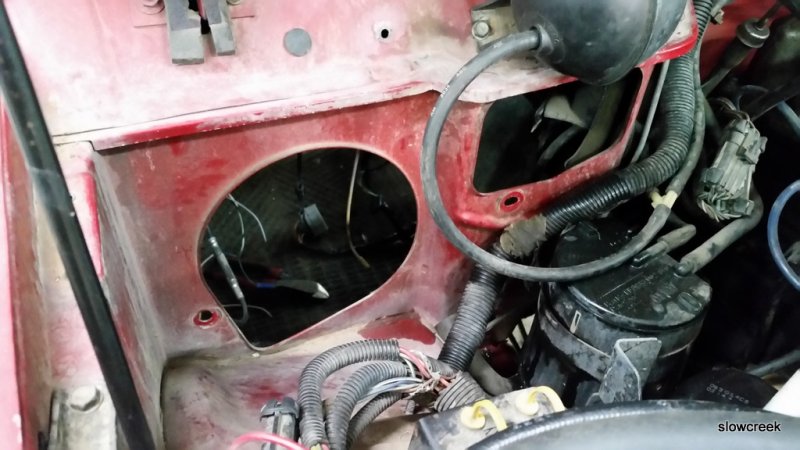
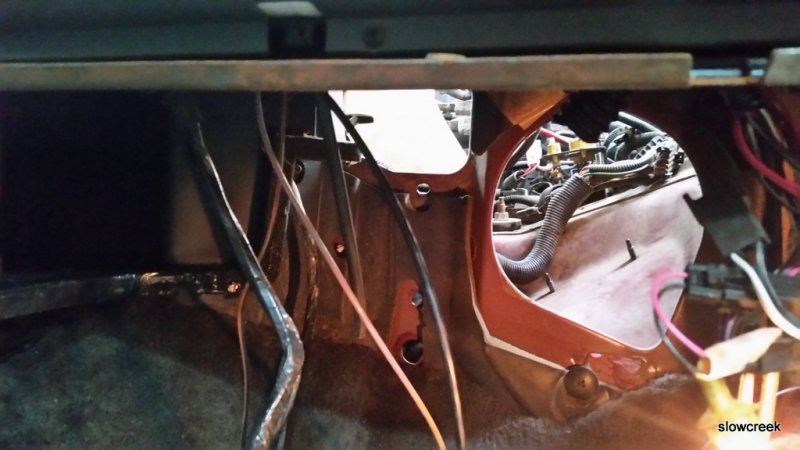
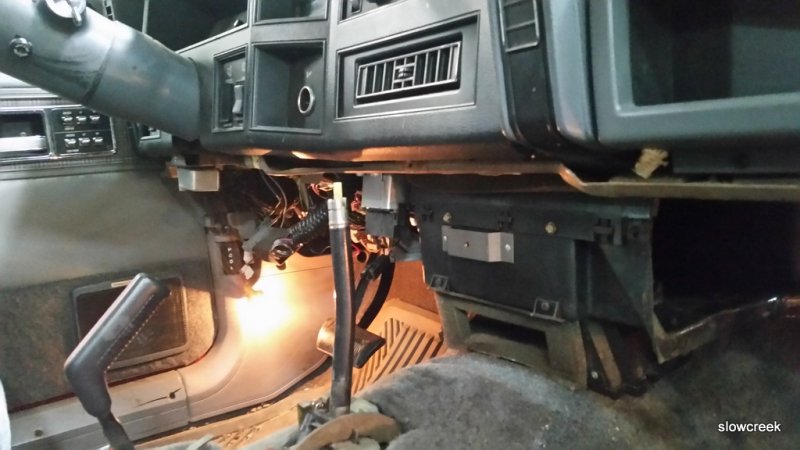
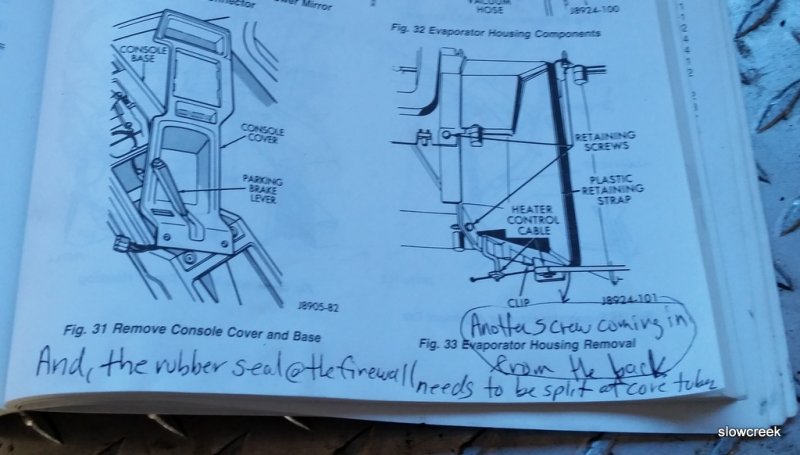
-
Unending CPS issue after Ax15 swap...
cruiser54 replied to Bonkers's topic in MJ Tech: Modification and Repairs
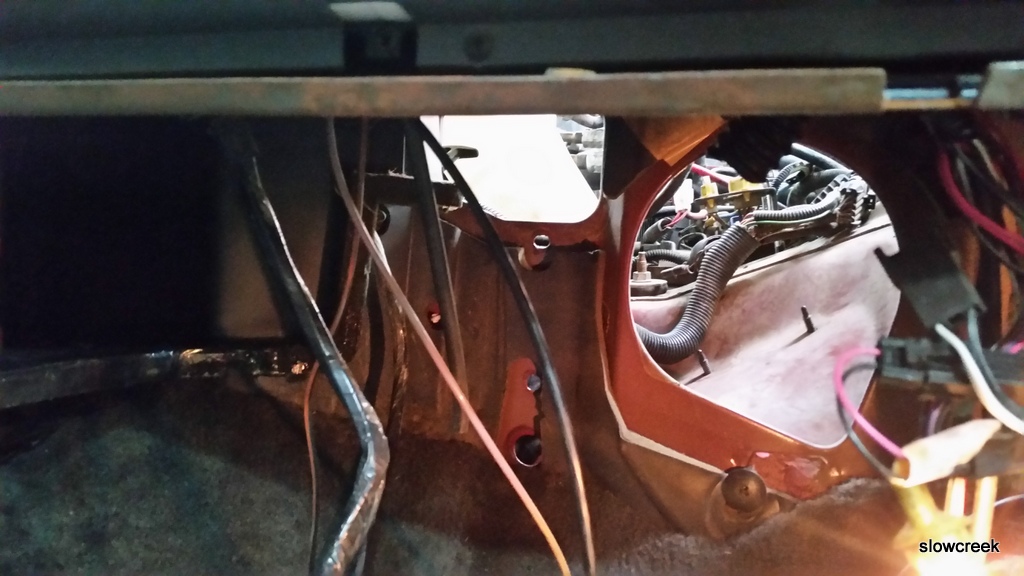
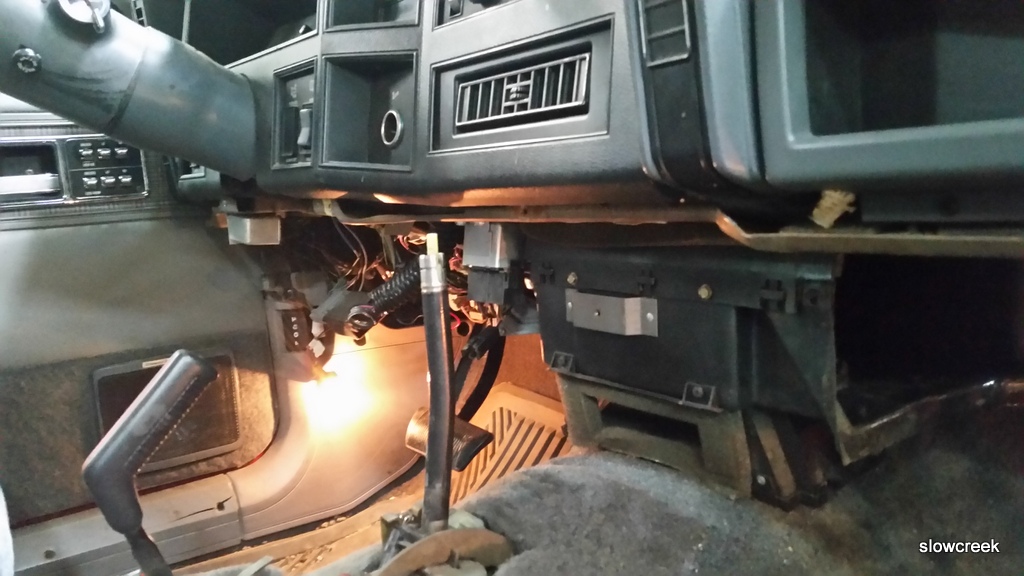
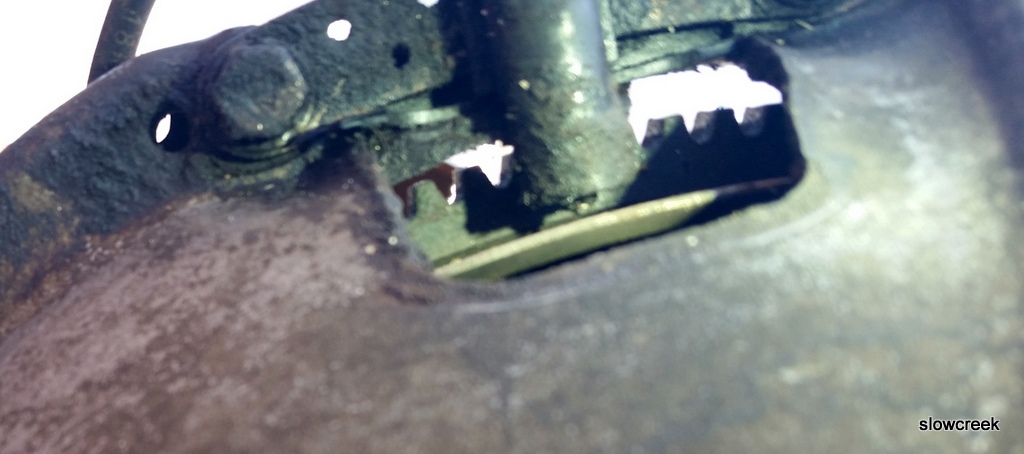
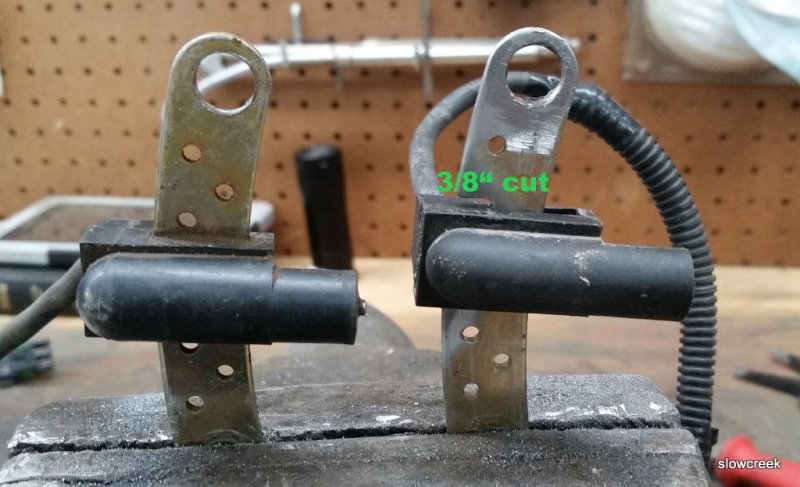
I removed the plastic piece using this method: http://cruiser54.com/?p=127 Then, I cut out the top of the metal bar. Slid the CPS back to the cut, tapped it down and there ya go. -
Keep it simple. They're not all oily. the factory fix is in the second link. http://cruiser54.com/?p=121 http://cruiser54.com/?p=131
-
What is this on my rad cap??
cruiser54 replied to Dzimm's topic in MJ Tech: Modification and Repairs
Looks like maybe Bars Leak. -
Unending CPS issue after Ax15 swap...
cruiser54 replied to Bonkers's topic in MJ Tech: Modification and Repairs
Deja vu for me. I bought an 88 with the same issue. came with 5 or 6 factory CPSs. No signal from any of them. Here's what I finally did.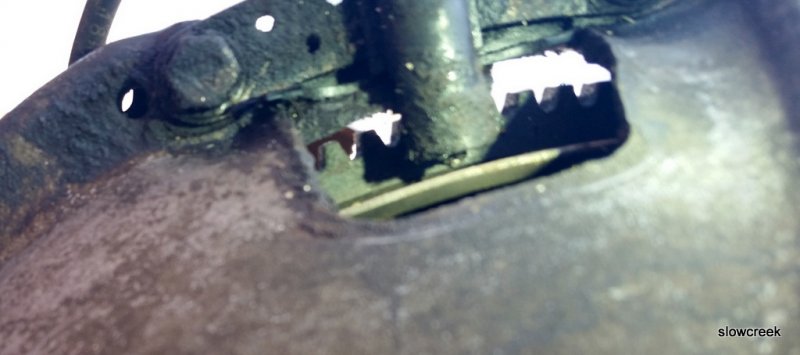
-
Who's Using LED "Bulbs" and What Brand
cruiser54 replied to Keyav8r's topic in MJ Tech: Modification and Repairs
www.onewaylight.com -
Brand New Oxygen Sensor is Toast
cruiser54 replied to Comavalanche's topic in MJ Tech: Modification and Repairs
This^^. -
You can run with the dizzy harness unplugged... Have you ever cleaned your throttle body and IAC? http://cruiser54.com/?p=60
-
And no crank, crank no start need to be clarified for the younguns.
-
Let's do it.
-
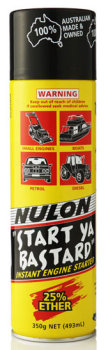
I use this.
-
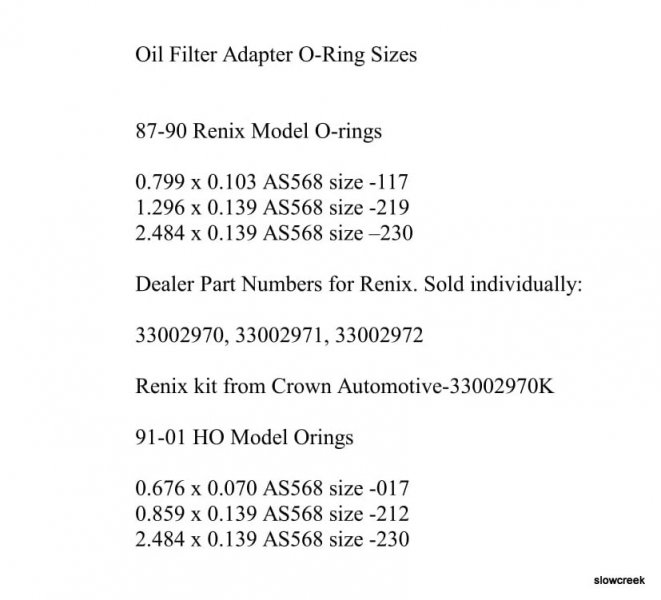
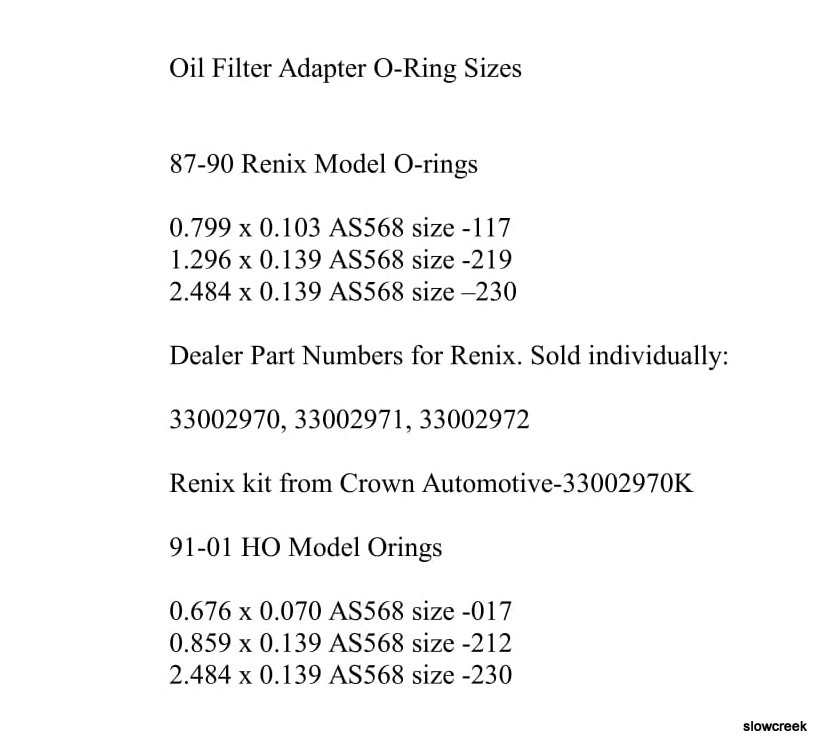
This swap is easier than some will lead you to believe. And generally Pooh-poohed by those who have never done it. Those of us who have done it, like myself, will share with you the things that need to be done for a successful swap. Just think of it as swapping in a long block. XJ Cherokee and ZJ Grand Cherokee 4.0L engine blocks interchange. 2000+ TJ Wrangler and WJ Grand Cherokee 4.0L engine blocks interchange. YJ and 1997-1999 4.0L TJ blocks will interchange in XJ/ZJ XJ/ZJ blocks, and the 2000+ TJ/WJ blocks do not interchange without significant modifications. TJ/WJ 4.0L Engine blocks underwent clean sheet design changes effective in the 1999 WJ Grand and 2000 TJ Wrangler. These blocks are not interchangeable with XJ/ZJ engine blocks. The reason is motor mount bolt holes and belt driven accessory mounting bolt holes are in different locations, or not present at all, TJ/WJ vs. XJ/ZJ. Now that we know which engines we can use, let’s get down to business. The HO and Renix have some differences but none that can’t be overcome very easily. One running change was that the rear of the head was no longer drilled and tapped for the temperature gauge sender beginning in the 96 model year. The sender can be relocated to the threaded hole in the thermostat housing taken from an HO engine. You’ll have to extend the wire to that location. Some brave souls even drill and tap the HO head at the rear for the sender. You will be using the intake and exhaust manifolds from your Renix, along with all your sensors and wiring. Since the intake ports of the HO are slightly different, you use a new Renix gasket. Exhaust ports are identical. An alternative on exhaust manifolds: As far as exhaust, you can use the Renix exhaust manifold and be fine. If you want to use the HO exhaust manifold, you must go with an HO headpipe and screw your O2 sensor into that headpipe. Standard Renix harness is plenty long to do so. A bung can be welded into the HO manifold to accept the EGR tube. You will need to use your Renix distributor as it is different than the HO design. See Tips #12 – Setting Your 4.0 to #1 TDC and #13 – Distributor Indexing to be sure you get the distributor installed correctly. The flywheel or flexplate from the Renix must be used so your CPS gets the correct signals. The valve cover from the Renix allows you to keep your CCV system intact and requires no modifications. The HO block will have a plug in the coolant galley on the driver’s side of the block, closest to the front, which needs to be removed so your Coolant Temp Sensor can be installed in it’s place just as it is on the Renix. It requires a 5/16” square drive or a modified 3/8” drive that has been ground down to fit. Do this before installing the engine. As for the knock sensor, which is located just above the oil pan on the driver’s side of the engine about mid way, all the blocks I’ve seen are threaded for it. If not, I’ve heard they may be drilled but not tapped. Tap the hole if that’s the case. XJ: “Regular” (not Grand) Cherokees ’84-’01 ZJ: Grand Cherokee ’93-’98 (Gen1) WJ: Grand Cherokee ’99-’04 (Gen2) YJ: Wrangler ’87-’95 (Gen1) TJ: Wrangler ’97-’06 (Gen2)
-
IAC behaviour / still having bad start (4.0 renix)
cruiser54 replied to JE39's topic in MJ Tech: Modification and Repairs
That's PART of it. Use the flat connector and it's percentages. -
IAC behaviour / still having bad start (4.0 renix)
cruiser54 replied to JE39's topic in MJ Tech: Modification and Repairs
Factory procedure is wrong. Do Tip 5--http://cruiser54.com/?p=44 When that's all good, test/adjust your TPS like this--http://cruiser54.com/?p=54 -
Nope. It sucks fluid out through the bleeder.
-
IAC behaviour / still having bad start (4.0 renix)
cruiser54 replied to JE39's topic in MJ Tech: Modification and Repairs
Here is ONE thing you should do on your Renix and it is an expansion on what was stated above. http://cruiser54.com/?p=35 Also, who's procedure did you use for adjusting the TPS? See Tip 5 below. http://cruiser54.com/?p=44 -
I've always bled mine the old fashioned way with no issues...ever. That Hobo Freight air operated one man bleeder is the cat's meow though.
-
How about this as a photo?