Gojira94
-
Posts
718 -
Joined
-
Last visited
Content Type
Profiles
Forums
Gallery
Everything posted by Gojira94
-
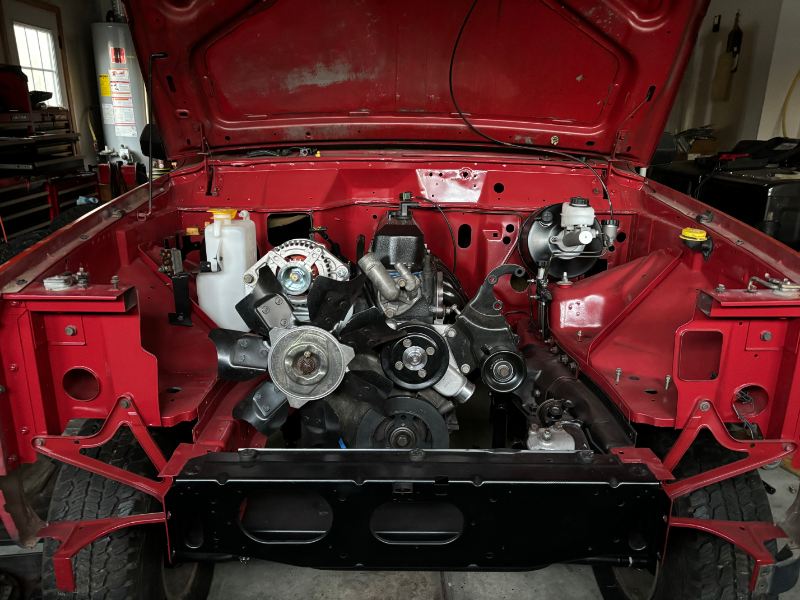
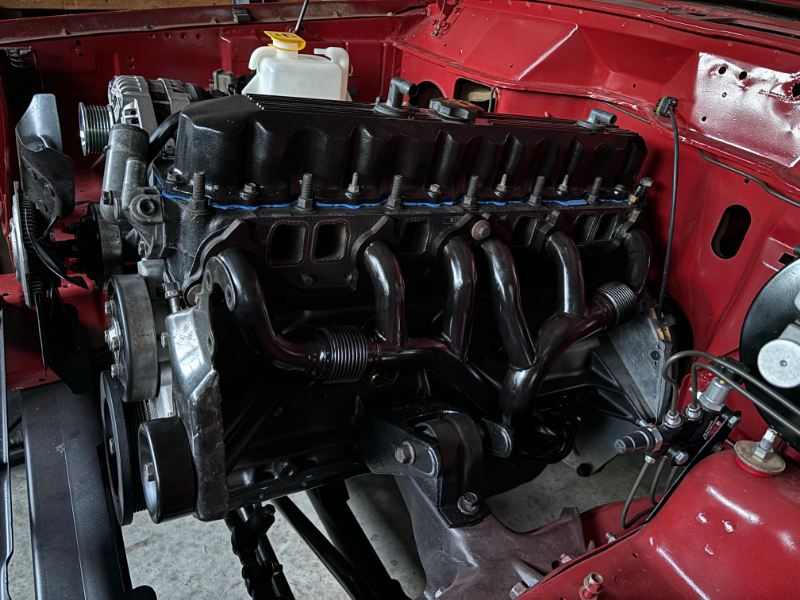
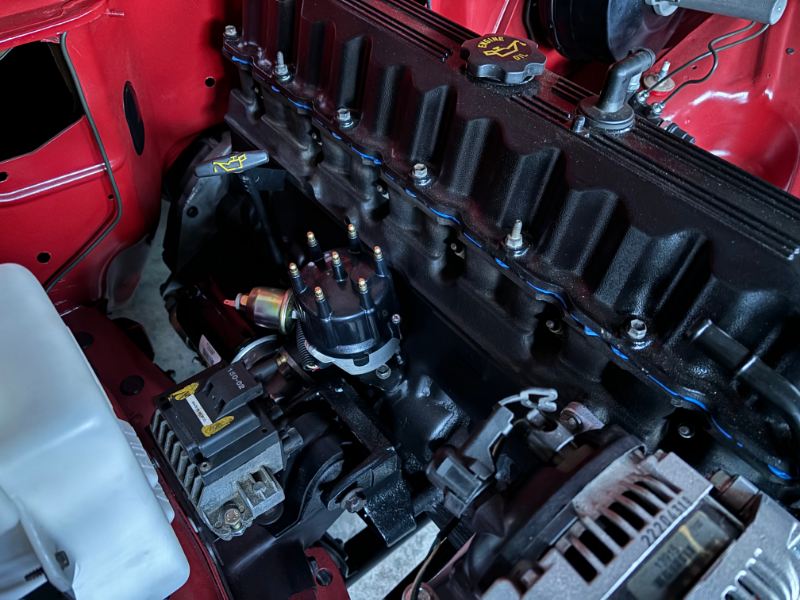
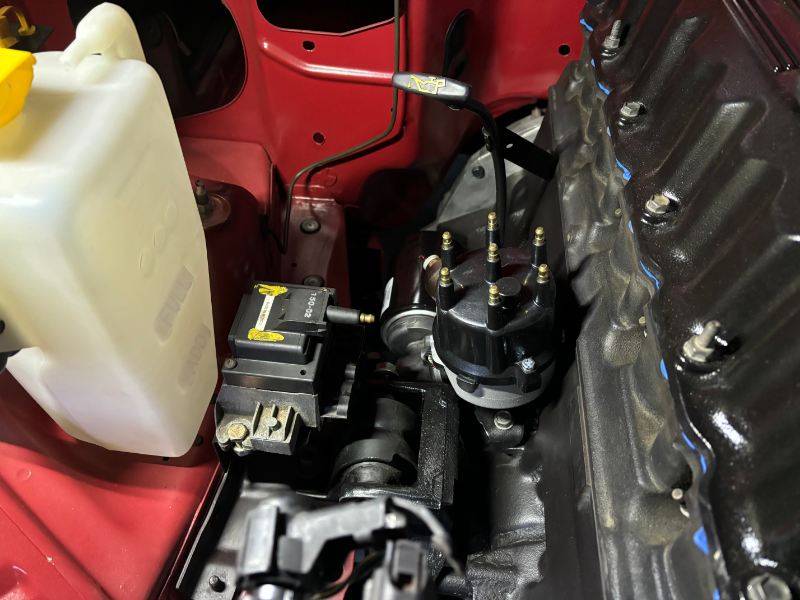
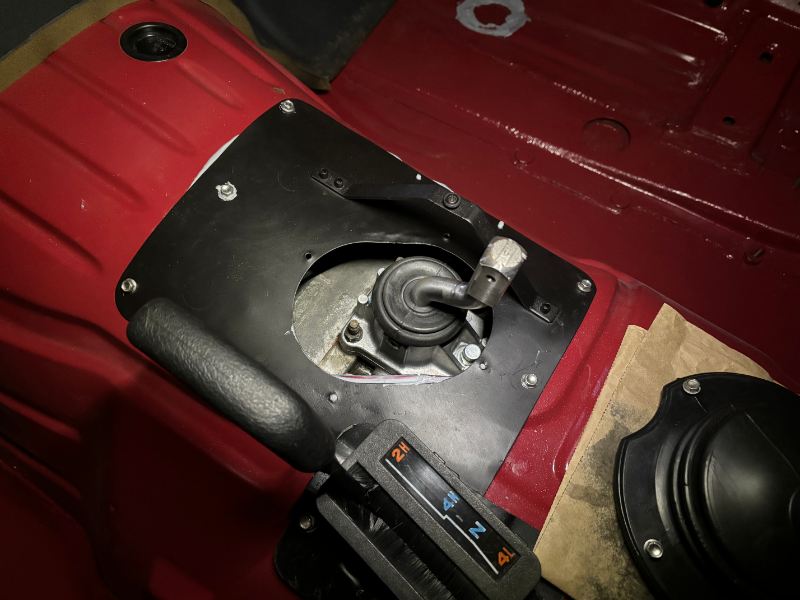
Engine and trans in today. Still working on cleaning and prepping the intake.
-
One of the kids that works for me at job #2 said he had some Cerakote and he'd shoot it for me. It's essentially high-end header paint. And yeah, heat to cure it is the key. Ideally, bake it in an old oven at 475-500* for about an hour. He did 2 light coats, after which i got it piping hot with a heat gun, followed by a medium coat. I let that cure for about 12 hours and then used a map gas torch for the final cure.
-
 Probably been mentioned before, but if we could get a 3D laser scan of both 6' and 7' bars and create an engineering drawing, almost any experienced fab shop with a mandrel could make them. I have just such a guy in north Raleigh, NC that is a flatout wizard...
 -
One more- I decided to go ahead and ceramic coat the manifold. First 2 cures with a heat gun, 3rd with a torch.

-
AX-15 Spacer - Cushion to Crossmember (?)
Gojira94 replied to Gojira94's topic in MJ Tech: Modification and Repairs
Thanks! -
AX-15 Spacer - Cushion to Crossmember (?)
Gojira94 replied to Gojira94's topic in MJ Tech: Modification and Repairs
This truck is a jigsaw puzzle with no box/ picture. And half the pieces were missing when I got it... -
AX-15 Spacer - Cushion to Crossmember (?)
Gojira94 replied to Gojira94's topic in MJ Tech: Modification and Repairs
Thanks for confirming. The crossmember I snagged was from a 96 XJ and I didn't see one on that either. But you never know with older vehicles, people change out mounts and sometimes forget to put everything back. FWIW, if you have an AW4 and it's missing, 1/4" HDPE makes a pretty decent substitute if you don't have 1/4" mild steel plate handy. -
AX-15 Spacer - Cushion to Crossmember (?)
Gojira94 replied to Gojira94's topic in MJ Tech: Modification and Repairs
Yeah, the diagram seems to indicate it's for auto, but I filtered the lookup for ERH/DDQ/4WD and it shows in the list of applicable parts. That's why I'm asking, if anyone has a late 89-92 4.0/AX-15 or ever seen a rig that came with this spacer. -
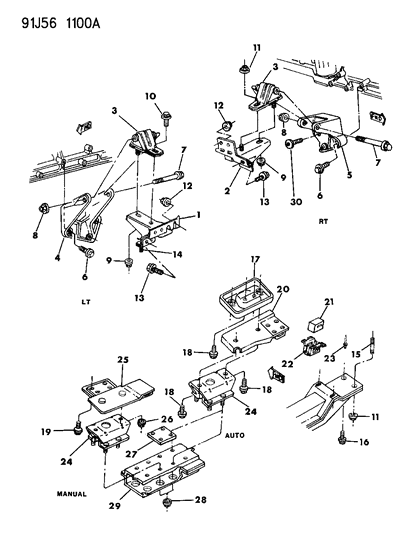
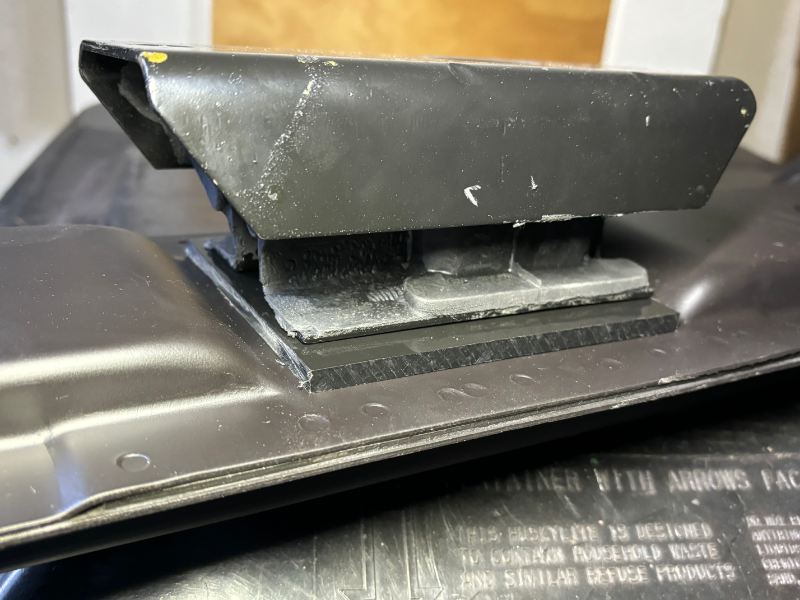
Part # 27 - 52003939: I think this is used for manual trans applications but I'm not 100% sure. If so, how thick is it? I made one from 1/4" HDPE just in case.
-
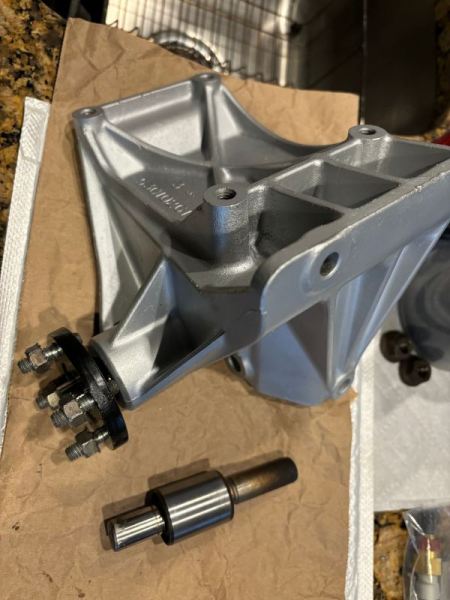
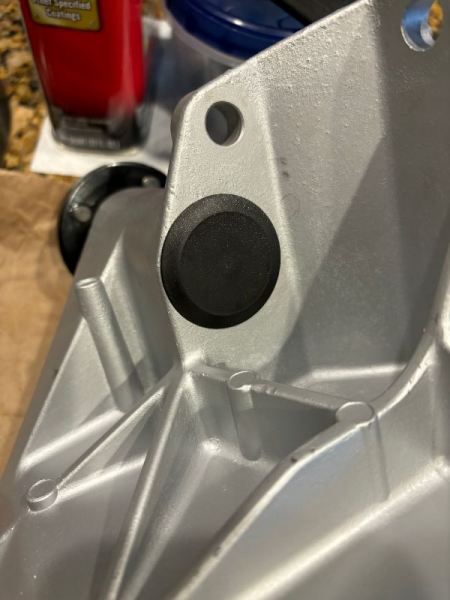
Minor update- I switched out the shaft bearing in the fan/ compressor (now alternator) bracket. NSK 885586. It's longer than the one I pulled out, so I shortened the 'long' end to be the nose. The back side ends up just short enough to cover with a cap plug to keep dirt and water out at that end. I used Seymour Alumi Blast to brighten up and protect the bracket. Good stuff, I'll probably put it on the intake when I get done cleaning that as well.
-
Heck yes! Thank you very much for the kind offer to help me out with this!
-
Got that plug pulled, CTS installed, relocated the plug to the water neck.
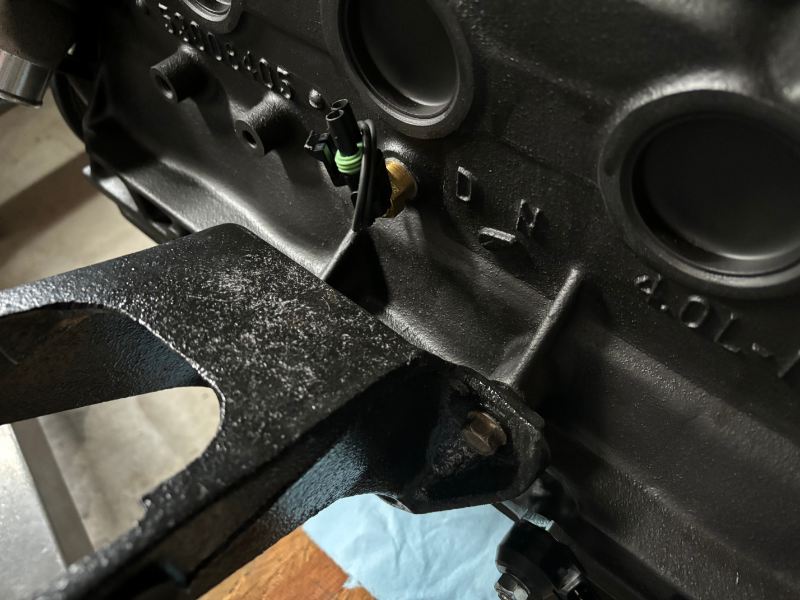
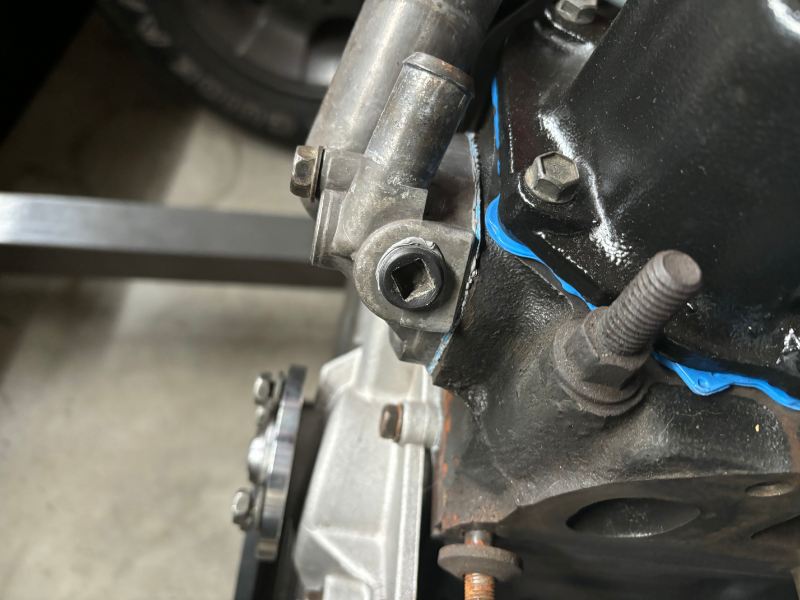
-
AC compressor (now alternator relocation) bracket- "water pump shaft bearing" on the way to replace the crunchy bearing in the mechanical fan bracket/ mount.
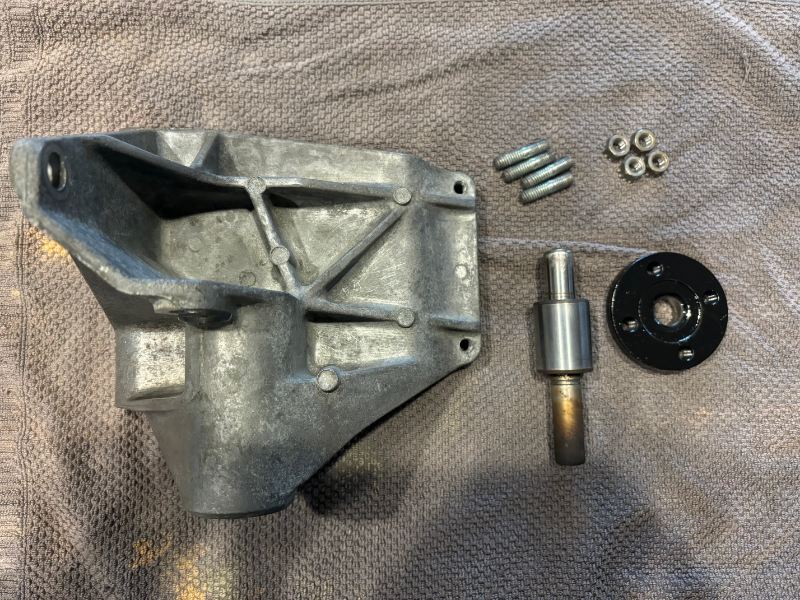
-
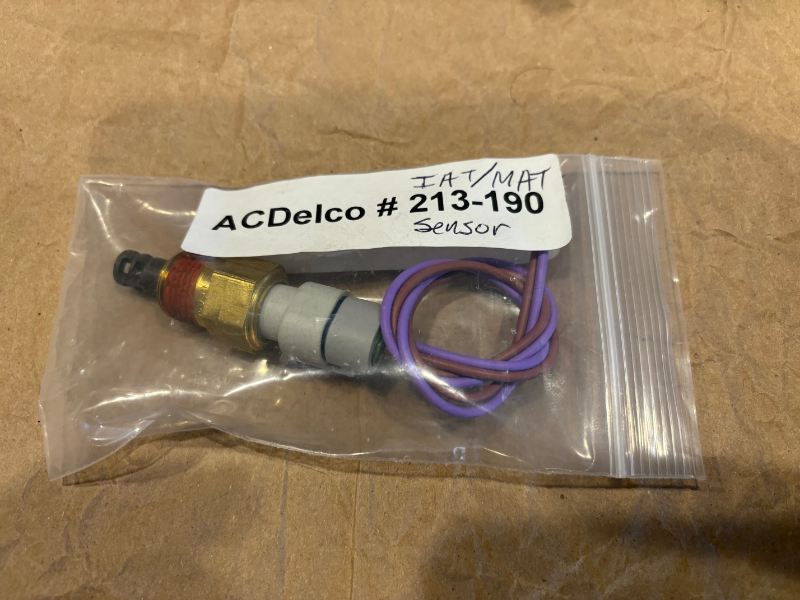
'Horseshoe' intake- was in a box of extra parts that came with the YJ drivetrain. I hate how online salvage yards spray rattle can pretty-up over filthy parts to make them more enticing/ appealing. First drilled and tapped the IAT sensor hole to 3/8" NPT, now in the process of cleaning it up. Renix-compatible GM sensor acquired a while back:
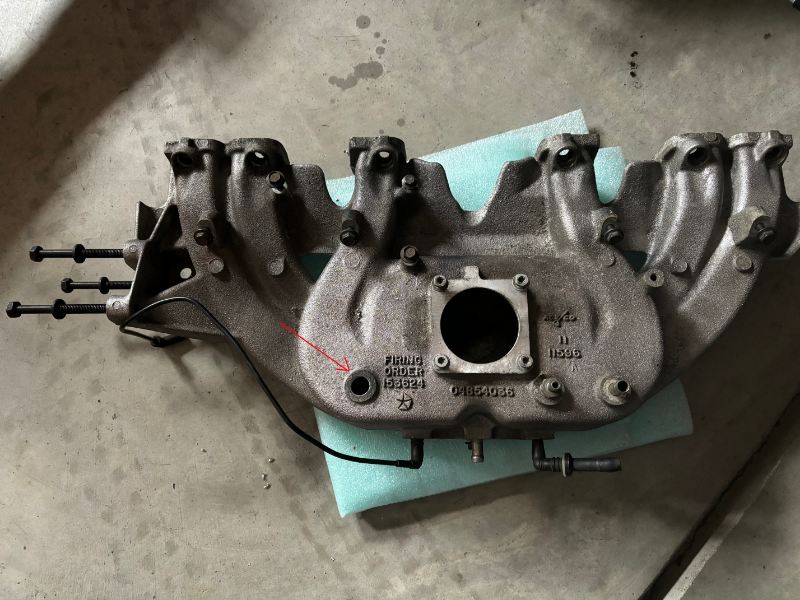
-
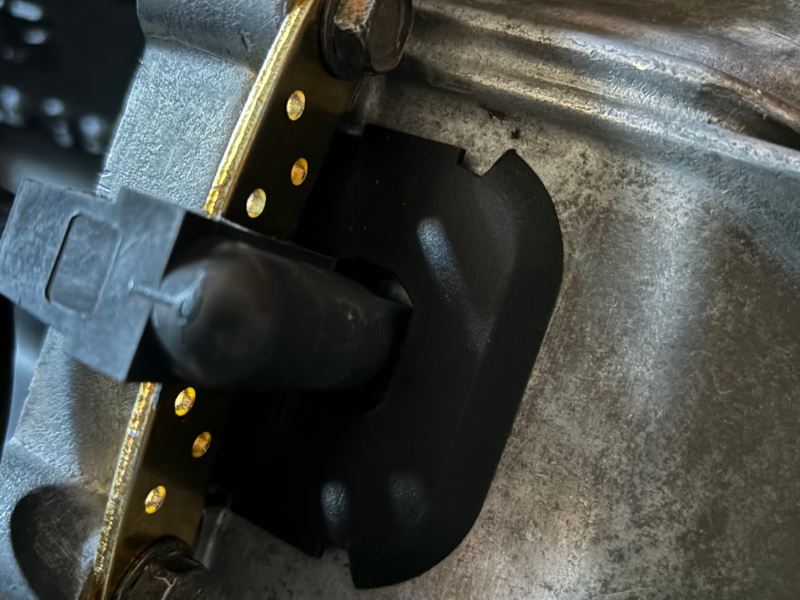
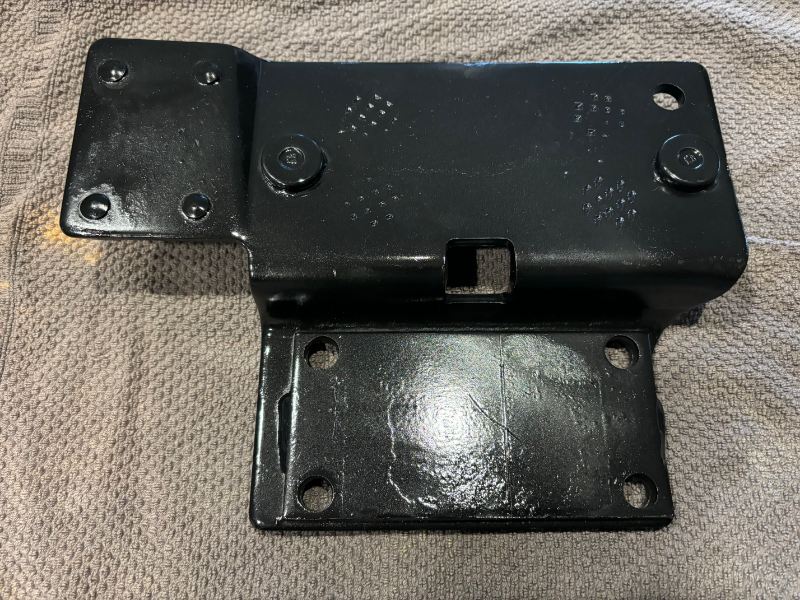
I decided to switch to a standard/ 'low altitude' CKP for now, and maybe experiment with the 'high altitude' later on. Also found a dust cover for the sensor online (Crown 53006010, $6.50 on Amazon). Still hunting for the grommet for the slave cylinder lines, but I'll proceed for now without it. XJ/ MJ AX-15 mount plate was not the easiest to find, but it's ready to go as well.
-
Here we go again steering brace
Gojira94 replied to Aussiemj's topic in MJ Tech: Modification and Repairs
-
Here we go again steering brace
Gojira94 replied to Aussiemj's topic in MJ Tech: Modification and Repairs
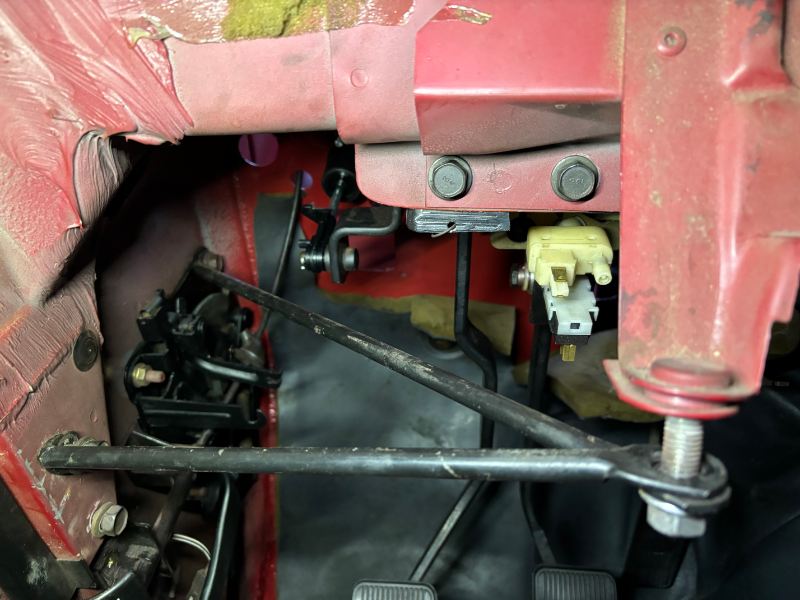
The other one also attaches at the column in the same spot, and the other end goes under the upper/ forward-most parking brake assembly bracket bolt. I'll reply back shortly with a pic for reference. -
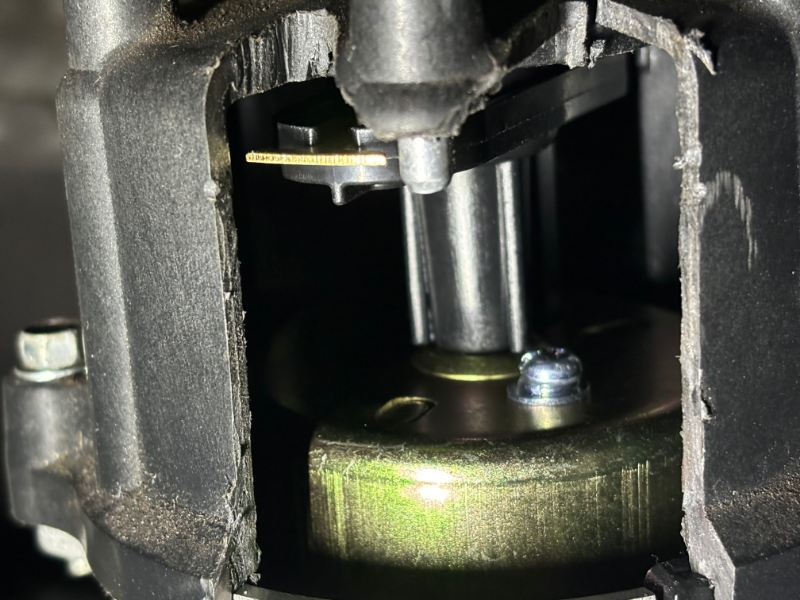
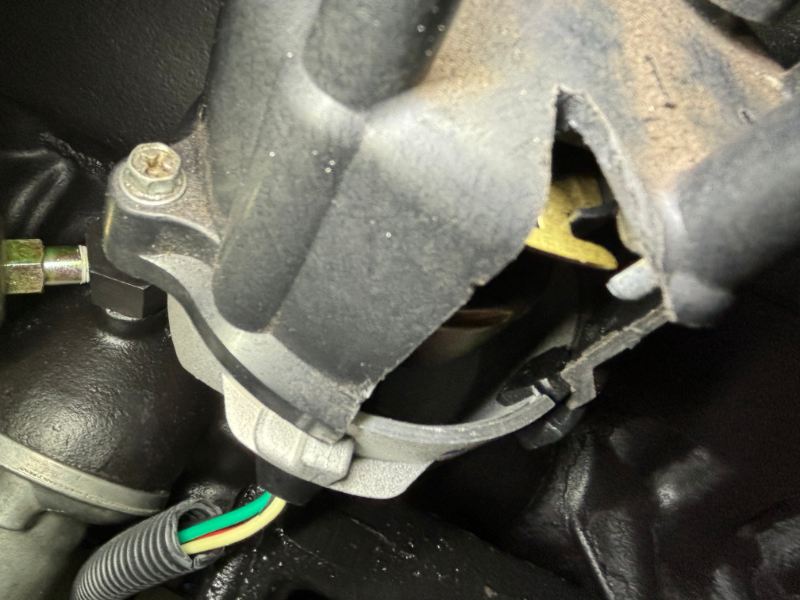
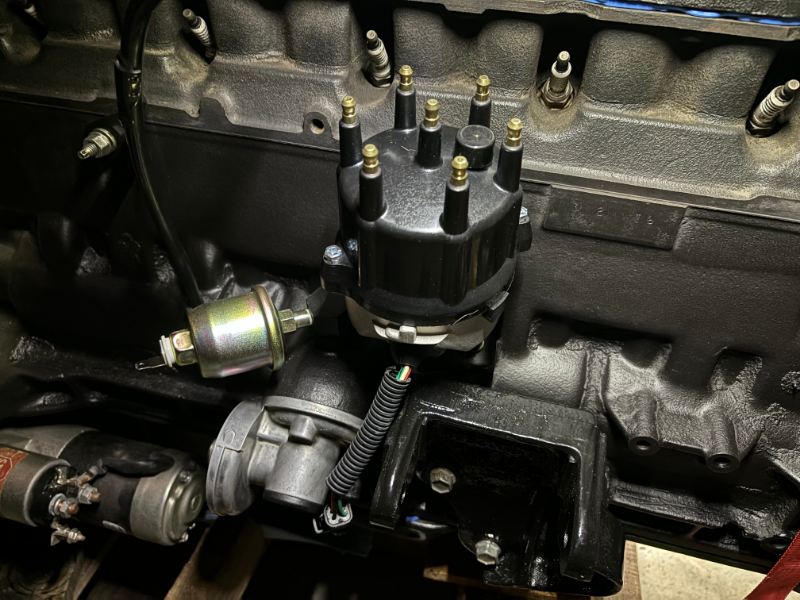
Distributor indexing... I took a chance on the Autozone Duralast Gold unit, since it has a lifetime warranty. It's been in a box waiting to be evaluated for over a year. Out of the box, the indexing on this one was about 4 or 5 degrees off from where Cruiser54 describes as "... just departing from the #1 spark plug wire post terminal." After the prescribed modification to the distributor body, this is where it is now: Passenger side of the engine- distributor, new Crown OPSU, oil filter adapter and starter installed. Final item is the CTS on the driver's side. Though mostly drained, there's still coolant in the block. Since this is a 93 HO engine, I'm patiently waiting for the 5/16" pipe plug socket to arrive to tackle the plug. It's been there for almost 32 years and I don't want to risk damaging it and creating a bigger headache with a shaved 3/8" socket adapter. I can tilt the engine with the hoist and shift the remaining coolant aft of the plug location.
-
Front Suspension Replacement
Gojira94 replied to RiversideMJ's topic in MJ Tech: Modification and Repairs
Just asking- if OP has the older design knuckles and a PO of the truck put on a tie rod and TREs for a later truck, could that be the reason he’s short on adjustment range? -
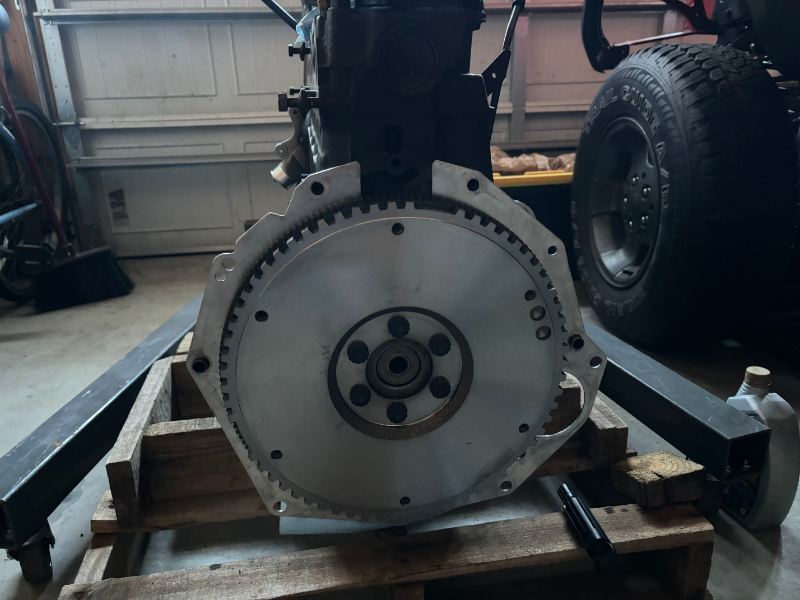
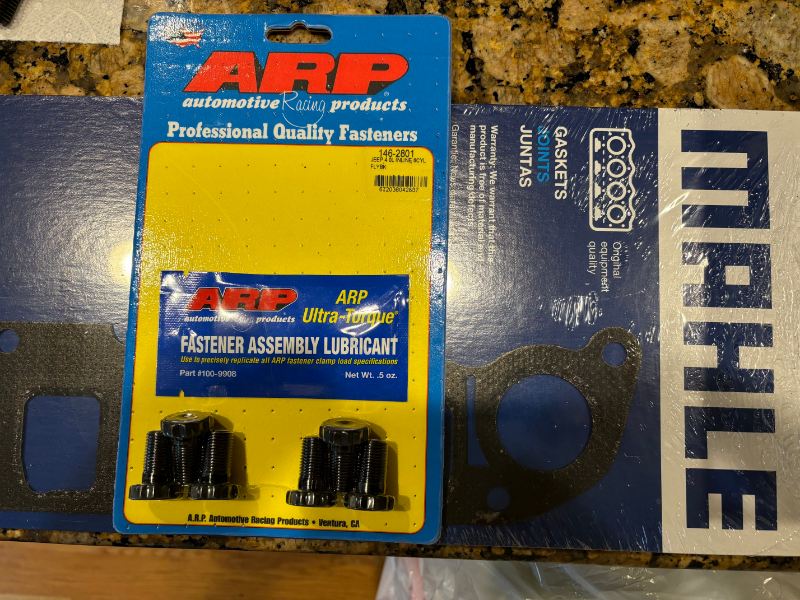
Flywheel, disc, pressure plate, internal slave, and back together again. OPSU will be here tomorrow, need to verify the indexing on the dizzy.
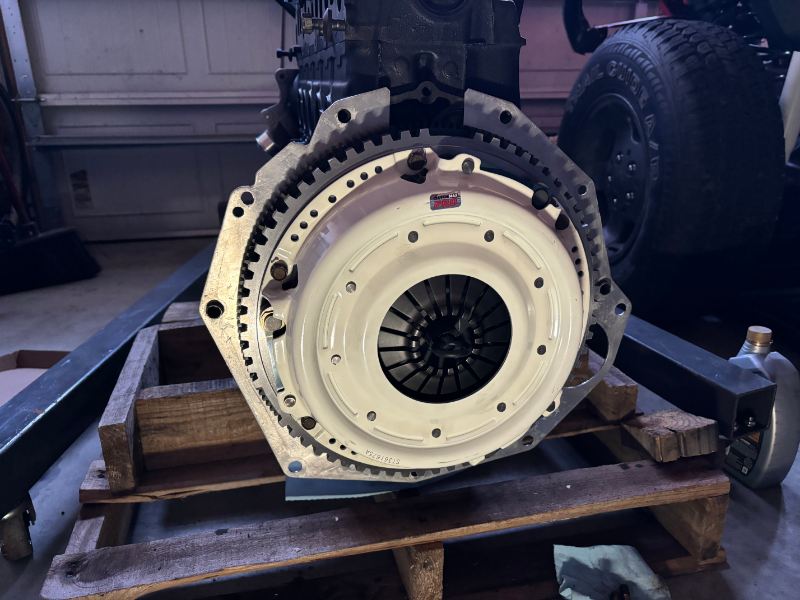
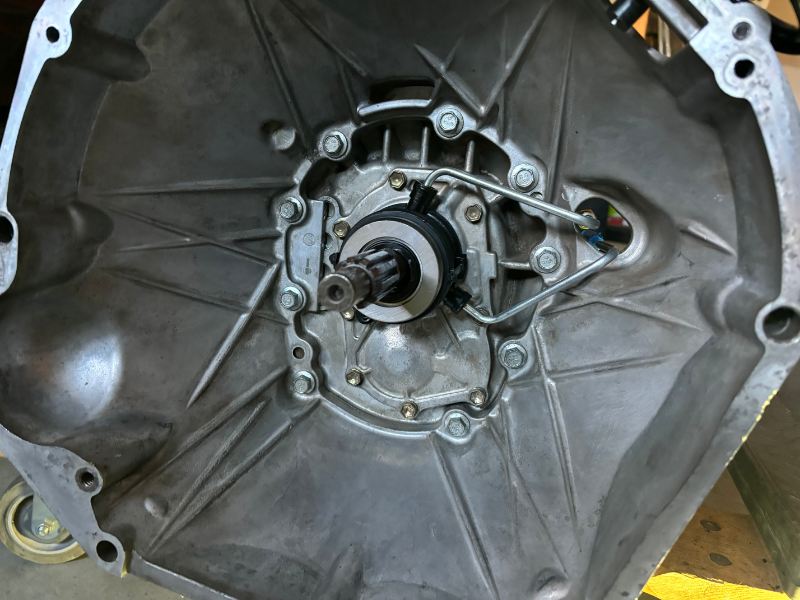
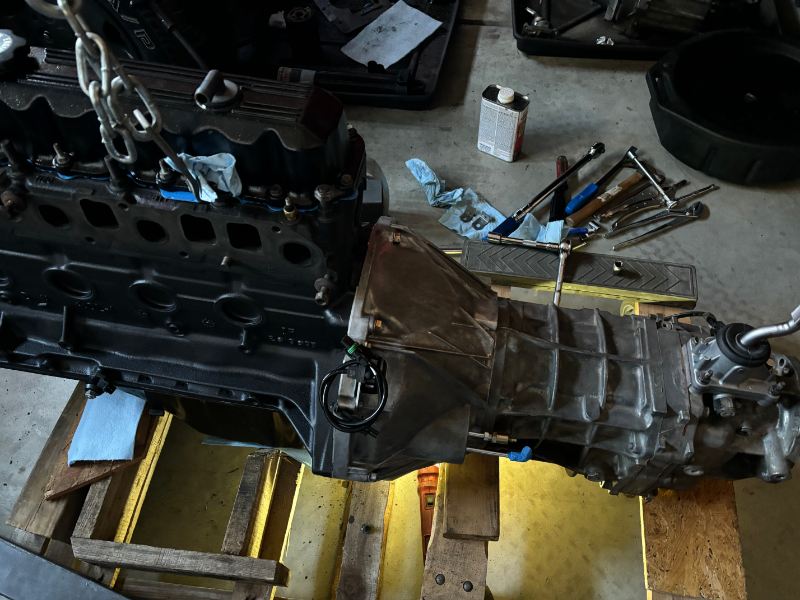
-
NOS TJ shift tower installed. The lever obviously is reversible, and I have both TJ and an XJ sticks to get it like I want it, once installed. High altitude CPS (Standard Motor Products PC87), We'll see how it acts... I'm now ready to install (new Renix) flywheel and clutch parts, marry engine and trans back together, and install.
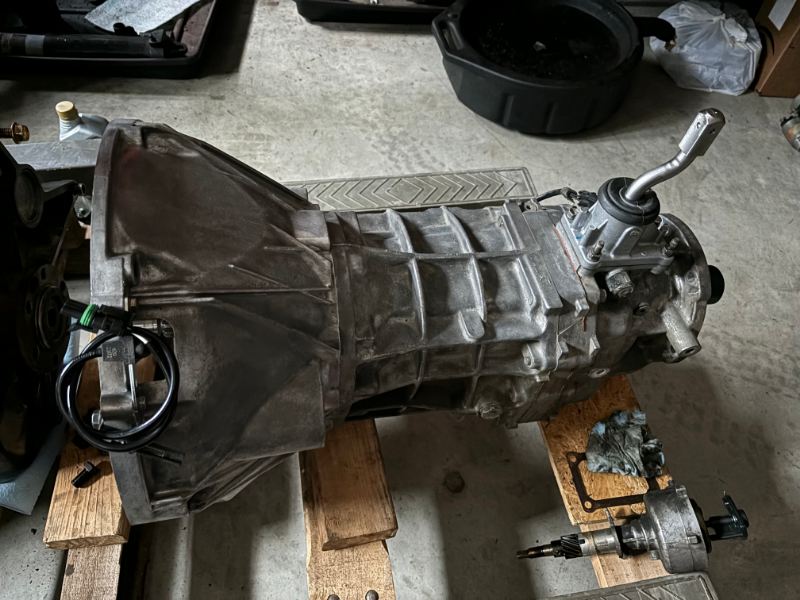
-
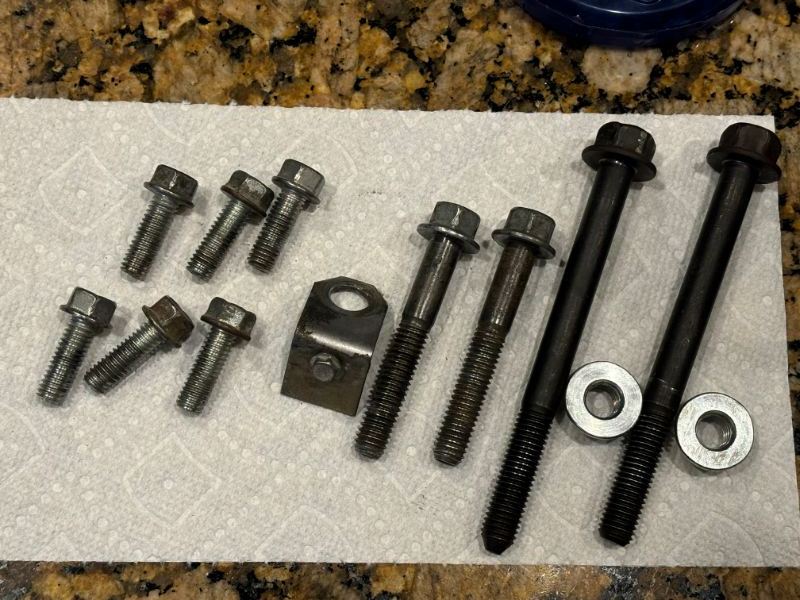
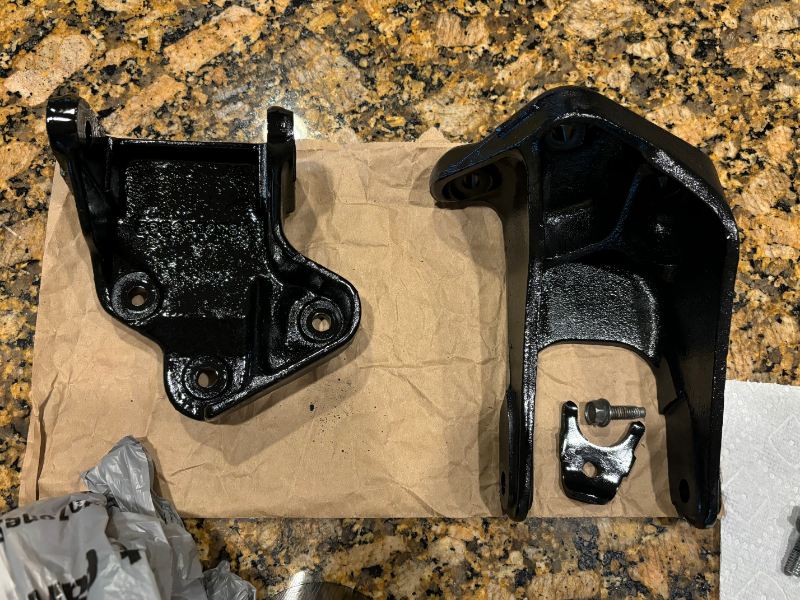
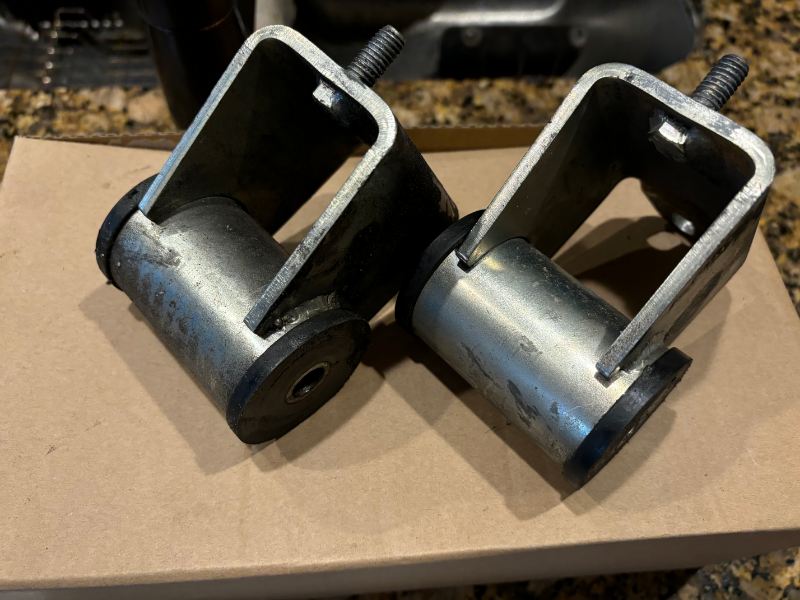
Engine mounts and brackets/ hardware. A good steel brush scrub and DE1635 for the brackets and acetone soak for the fasteners: The mounts look like Nolathane. They need a light cleaning before going back on. The 3 items in the middle are trans to inspection plate fastener items. The bracket to block bolts I may replace. They smelled like yesterday's shrimp when they came out. No kidding. Some foul form of threadlocker...
-
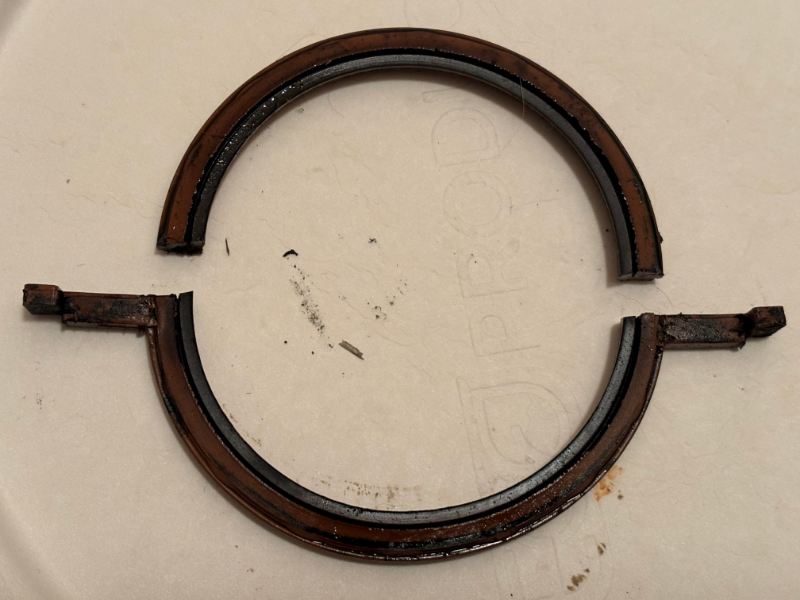
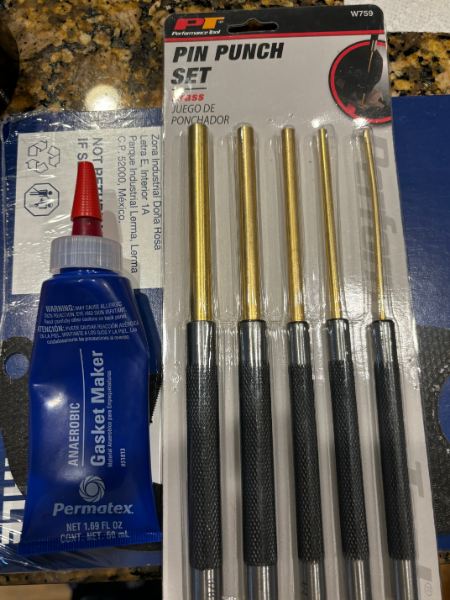
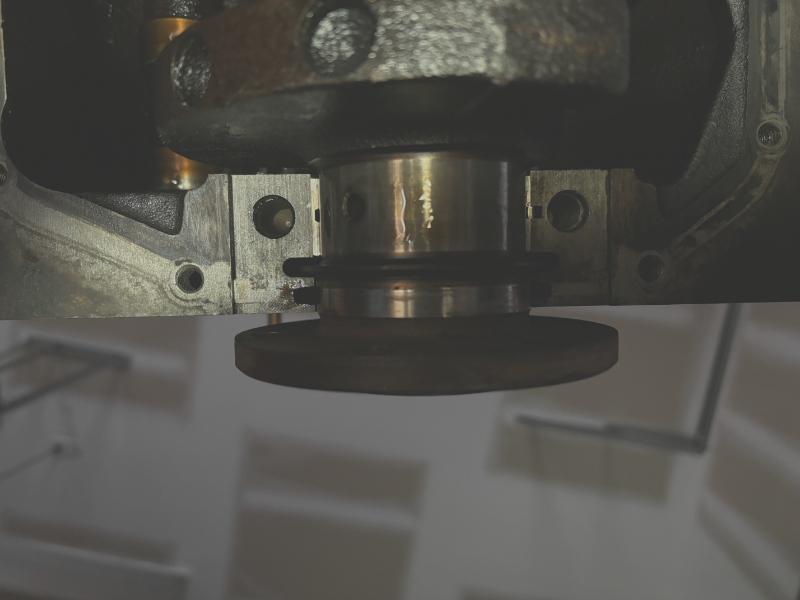
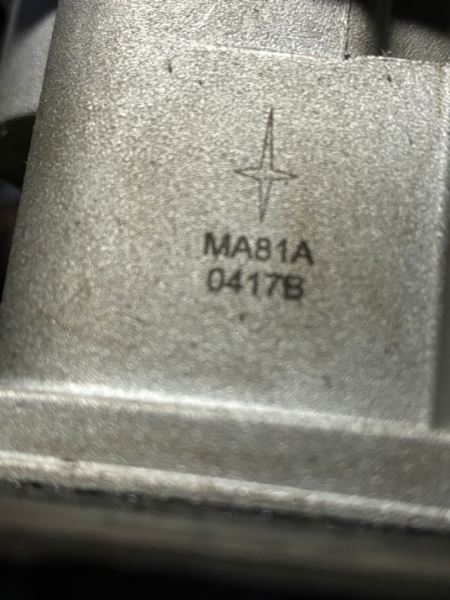
This pin punch set is a nice addition to my toolbox for future rear mains and what not. The thinnest one was the best fit but too long for the purpose and bent with hammer strikes. I may shorten it for future use. The next size up did the trick without nicking anything up though. You can still see some of the original anaerobic sealer in the outer edges of the cap register. A second pass of cleaning got all of this spotless and ready. I forgot to take pics of the work on the cap. It still had the machinist's ridge on the rear of the seal ridge, took care of that while I was at it, per Fel-Pro's instruction. The bearing has very light wear and good uniform surface, so nothing said to stop and tear it all down for new bearings/ rings. Old seal was a bit crispy. There were signs of seepage on the back of the block, in the bellhousing and along the bottom of the trans. I think most of it was due to the crud that remained in the seal ridge in the cap, after the last rear main install, preventing a proper seat of the seal. Nice surprise inside, an almost new Melling pump. Standard volume, standard pressure.
-
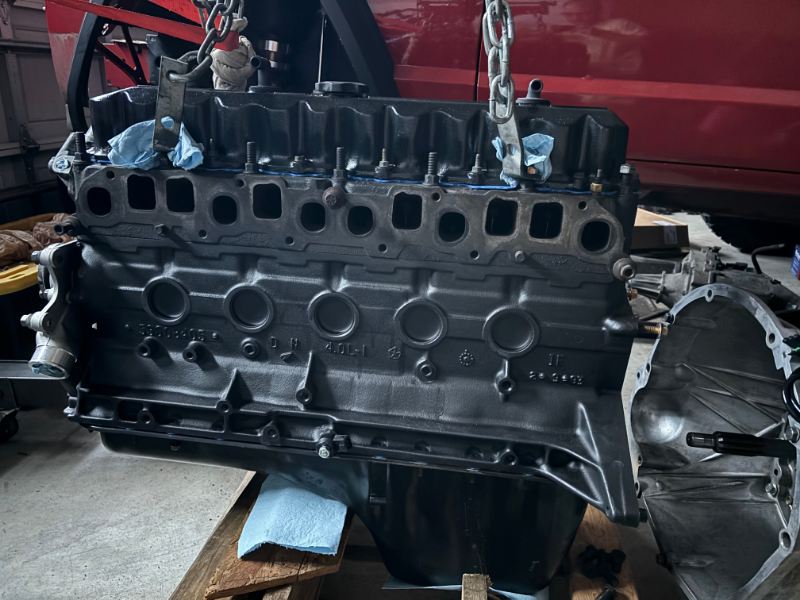
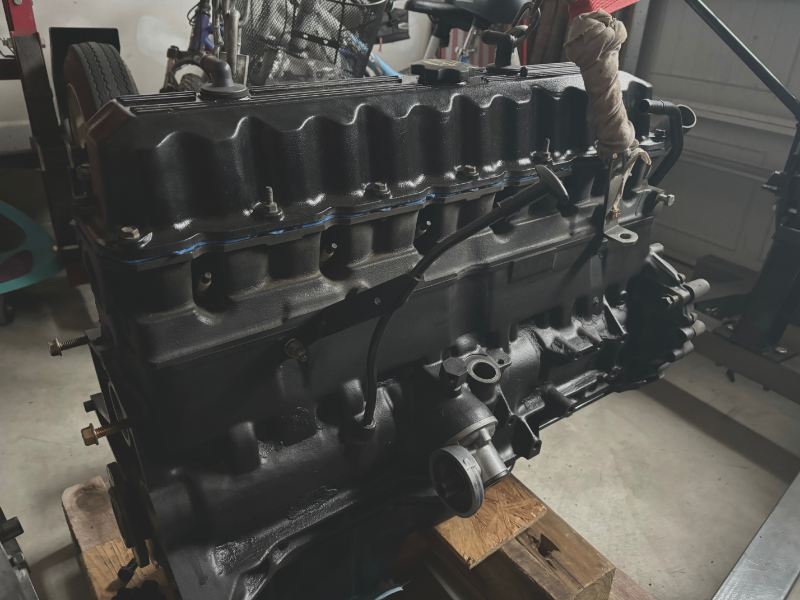
A lot of progress this weekend. Finished external cleaning and painting and replaced the rear main and oil pan gasket. Installed the knock sensor and oil filter adapter with new o-rings.
-
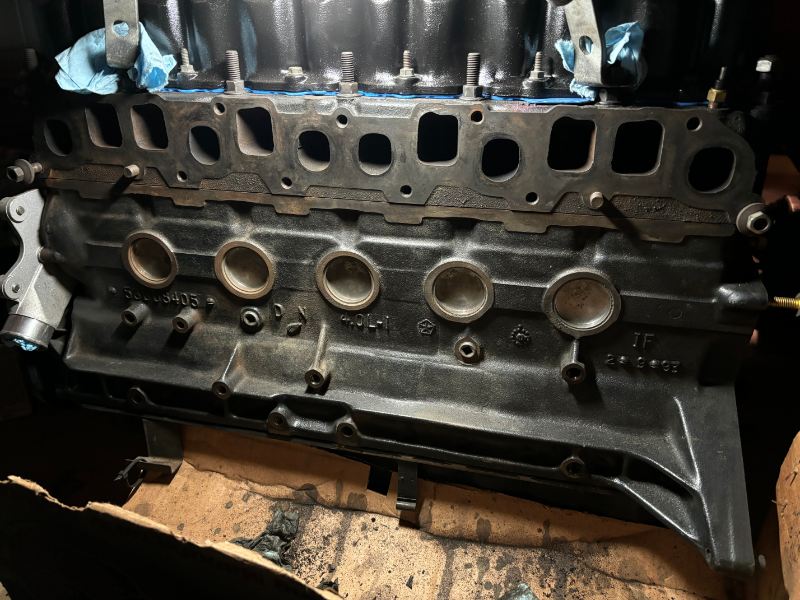
Getting cleaned up before I drop the pan for the rear main. One side done. Block was cast during the night shift of Feb. 9, 1993.