


cruiser54
-
Posts
9413 -
Joined
-
Last visited
-
Days Won
14
Content Type
Profiles
Forums
Gallery
Everything posted by cruiser54
-

Renix sputtering, misfiring above idle
cruiser54 replied to scaleless's topic in MJ Tech: Modification and Repairs
That's not comforting.....If they're anything like the Renix flexplates that are off. -
Renix sputtering, misfiring above idle
cruiser54 replied to scaleless's topic in MJ Tech: Modification and Repairs
so, this is a new to you flywheel? -
Renix sputtering, misfiring above idle
cruiser54 replied to scaleless's topic in MJ Tech: Modification and Repairs
with a timing light, they usually show 12 at idle FWIW. -
Not getting air through the vent
cruiser54 replied to ratty's topic in MJ Tech: Modification and Repairs
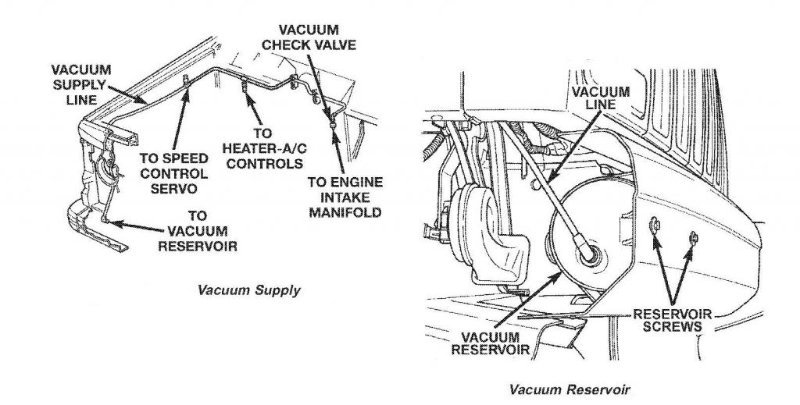
-
RENIX Engine Harness Falling Apart
cruiser54 replied to howeitsdone's topic in MJ Tech: Modification and Repairs
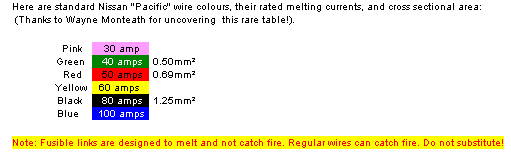
-
Renix sputtering, misfiring above idle
cruiser54 replied to scaleless's topic in MJ Tech: Modification and Repairs
Dizzy properly indexed? -
I cannot stress enough the need to COMPLETE the Tips.
-
I meant either one.
-
HELP!! Did ground refreshing and now no start!
cruiser54 replied to NC Tom's topic in MJ Tech: Modification and Repairs
Clean the C101!! -
There's a priority list for dying, crank no start. CTS and IAT aren't on the list with Renix. And yes, I have seen folks pour water on the CPS and it comes alive. But, with Renix it is likely connections and/or grounds.
-
www.cruiser54.com
-
Correct. The TIPS need to be done first!! Here is an excerpt from Tip 1. The Renix era XJs and MJs were built with an under-engineered grounding system for the engine/transmission electronics. One problem in particular involves the multiple ground connection at the engine dipstick tube stud. A poor ground here can cause a multitude of driveabililty issues, wasted time, failed emission tests, and wasted money replacing components unnecessarily. All the components listed below ground at the dipstick tube stud: Distributor Sync Sensor, TCU main ground, TCU “Shift Point Logic”, Ignition Control Module, Fuel Injectors, ECU main ground (which other engine sensors ground through, including the Oxygen sensor, Knock Sensor, Cruise Control and Transmission Sync signal. All extremely important stuff. The factory was aware of the issues with this ground point and addressed it by suggesting the following: go to Tip 1 to find the fix. 10 minute job. An excerpt from Tip 2: The C101 connector on 1987 and 1988 Renix Jeeps was a source of electrical resistance when the vehicles were new. So much so that the factory eliminated this connector in the 1989 and 1990 models. The factory recommended cleaning this connector to insure the proper voltage and ground signals between the ECU and the fuel injection sensors. We can only imagine how this connector has become a larger source of voltage loss and increased resistance over a period of more than 25 years. The C101 connector needs to be cleaned at least once in the lifetime of your vehicle. Chances are it’s never been done before. Almost every critical signal between the engine sensors, injectors, ECU, and some to the TCU, travel this path through the C101 connector. That said, the cleaning described below is a real MUST DO right off the bat for any new-to-you Jeep. An excerpt from Tip 5: The sensor ground circuit affects the CTS, TPS, IAT, MAP, ECU and diagnostic connector grounds. It’s very important and not something to overlook in diagnosing your Renix Jeep as it is common for the harnesses to have poor crimps causing poor grounds. If any or all of the sensors do not have a good ground, the signal the ECU receives from these sensors is inaccurate.
-
An 87 huh? Has a C101 connector which reduces the signal from CPS to computer. I would replace NO PARTS at this point. Go to my website and complete Tips 1 through 5 FIRST!
-
Yes. Easily if you keep the fuel injection components from the 97. I have a write-up on how it's done.
-
Very rough idle and fuel leak on rail
cruiser54 replied to Jesse J's topic in MJ Tech: Modification and Repairs
NO spark plug comes pre-gapped. My money is on the line from throttle body to MAP sensor got messed up in the process. Low vacuum to MAP equals pig rich running. Renix ECU doesn't need resetting either. I've done tons of Renix injector upgrades and they started right up and ran great. -
Mumblemeters on a temp gauge.......
-
HELP!! Did ground refreshing and now no start!
cruiser54 replied to NC Tom's topic in MJ Tech: Modification and Repairs
Continue with the Tips. The C101 likely has resistance in it, lowering your CPS signal to the ECU. -
1987 Comanche quits running
cruiser54 replied to novanut1964's topic in MJ Tech: Modification and Repairs
Good job. -
Need driver side maroon female seat belt latch.........
cruiser54 replied to WahooSteeler's topic in Wanted
I think 88MJsally has all my old seatbelts. -
Someone here on CC got all my seatbelts a while back. Hopefully they will chime in.
-
Look up ET-501 and see what you find.
-
I might have one.
-
There is a fuel feedback system on that Eagle. It has it's own little computer.
-
1987 Comanche quits running
cruiser54 replied to novanut1964's topic in MJ Tech: Modification and Repairs
Good advice^^. -
Get a Mopar stat. Flush the system while you're at it. Original radiator? Best to check temp with an IR tool at the thermostat housing.