


cruiser54
-
Posts
9413 -
Joined
-
Last visited
-
Days Won
14
Content Type
Profiles
Forums
Gallery
Everything posted by cruiser54
-
It's good?
-
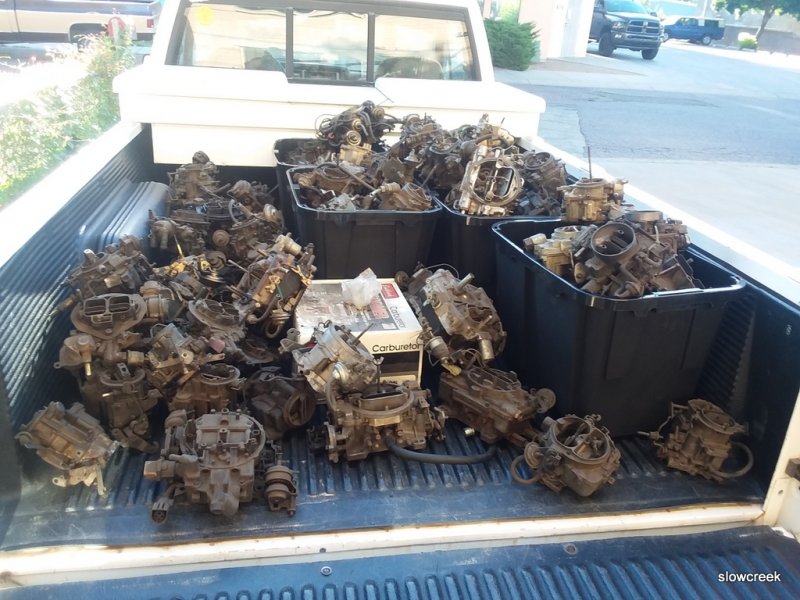
Here's mine.
-
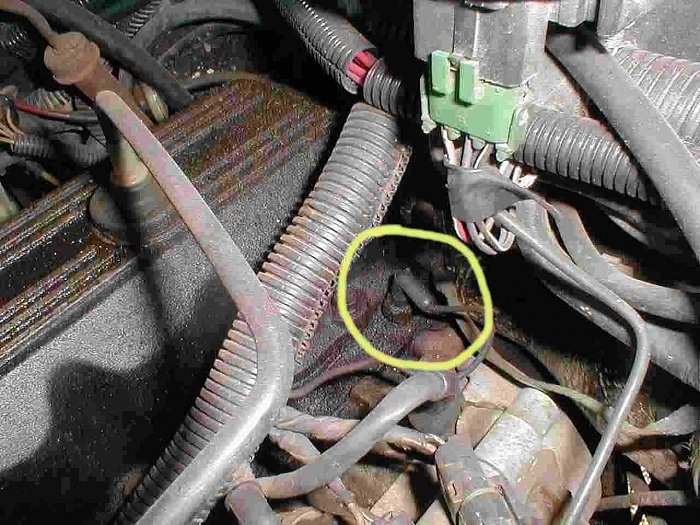
Replace the cap with the Volvo one. Here's the temp sender for ya.
-

Alfa Romeo project progress
cruiser54 replied to cruiser54's topic in Member Projects: Other Cool Stuff
At 5000 feet elevation mind you. Peak was 100 horsepower at 5000 RPM. Torque was 104 pound feet from 2000 RPM to 4700 RPM. It's a screaming freight train. Pulls 4th and 5th gears like they were 3rd gear. -
Huh?
-
Alfa Romeo project progress
cruiser54 replied to cruiser54's topic in Member Projects: Other Cool Stuff
Dyno run yesterday. I'll have the charts in a few days. The pull begins at 37 seconds to 6000 RPM in 4th gear. 97 MPH. Video may or may not show. alfa dyno.mp4 -
Does any one know what this is?
cruiser54 replied to Ryno's topic in MJ Tech: Modification and Repairs
Nope. If that was the case, they woulda used the brake switch. -
Get the cap...
-
Using a cheapie chinese coolant bottle cap? If it came off the old bottle, it is surely toast and not holding pressure. Get a 703-1396 cap from Napa or an equivalent. From a Volvo. Check the dizzy cap as Jeep Driver suggests also..
-
Does any one know what this is?
cruiser54 replied to Ryno's topic in MJ Tech: Modification and Repairs
By the way, your TCC switch is not adjusted properly. Give it a shove till it hits the pedal. -
Does any one know what this is?
cruiser54 replied to Ryno's topic in MJ Tech: Modification and Repairs
Brake switch is NO until brake switch is actuated. TCU is NC and goes open when brakes applied interrupting power to the torque converter lockup solenoid. -
Does any one know what this is?
cruiser54 replied to Ryno's topic in MJ Tech: Modification and Repairs
Yup, it is. I converted one of my Jeeps to the single switch from a GM car. bit of a pain.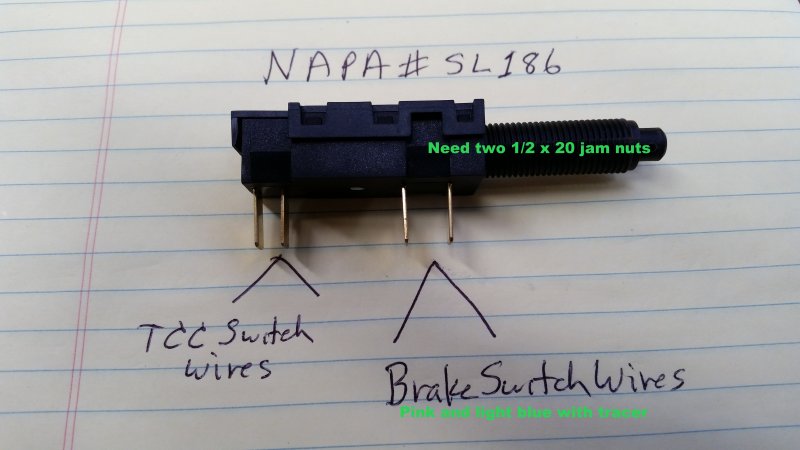
-
It was also about the scarcity of some parts.......It's all relevant. Like every other thread on CC stays totally relevant.......geez.
-
I read it. And, I saw a correlation between the supposed unavailability of Renix parts and now HO parts are now dwindling. As a result, some good discussion came about regarding the different systems, sensors, and flywheels. All good. Are you trying to compete with Zuckerberg now and censor things that don't go the way of your thoughts and agenda? You're the whiner getting all butt hurt because the demon name of Renix came up in your Holy and beloved HO thread.... Lighten up. HOman.
-
I'm just doing what you do in Renix threads. Bash the other guy's system. That's all. It is relevant though. Now the HO stuff is gonna dwindle just like some claim that Renix stuff has. Which it hasn't. Go look at that thread........It died from lack of facts. Fake news. Nothing burgers....
-
What Renix sensors are unavailable from the dealer except IATs? And all the rest are not CRAP.
-
It is important. Otherwise the bill of your cap obstructs the view of the ground point.
-
Like what?
-
I'm aware a Renix CPS won't work. So, what parts can't we get for Renix? There was a whole thread on that subject which died......
-
1987 Base Ignition Switch
cruiser54 replied to railroad sam's topic in MJ Tech: Modification and Repairs
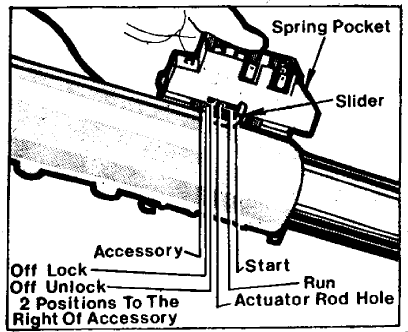
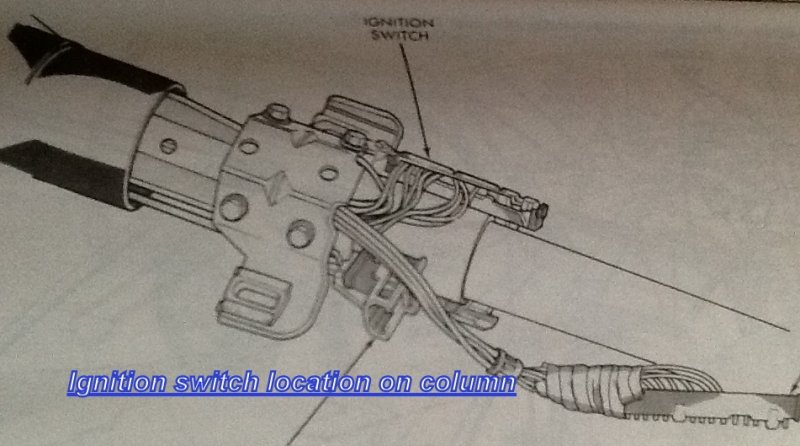
Helps to lower the steering column.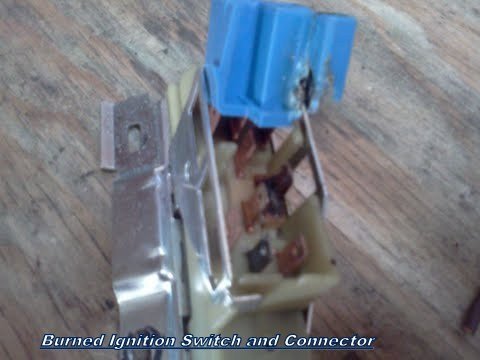
-
I thought there was a huge concern, actually a thread, about the scarcity of Renix parts a while ago.......
-
The ground point for the complete instrument cluster on your XJ or MJ is located up under the driver’s side dash. If you lay on your back and look up under there with a flashlight, without wearing a hat, you will see a black wire attached to a shiny piece of metal almost directly above the hood release knob. The screw will have either a ¼” or 5/16″ head on it. This ground point is responsible for handling the ground circuit for the following items: Dome lamps, seat belt and key warnings, transmission power/comfort switch, wiper switch, headlamp switch and delay module, fog lamp switch, cargo lamp switch, all instrument panel grounds and illumination, power windows and door locks, cruise control dump valve, and a few more things. The problem is that where the ground point is located does not share good contact with the chassis where the ground should be. The solution is simple: Make up a jumper wire with #10 gauge wire about 10″ long. On one end, crimp on a ¼” round wire terminal. On the other end, crimp on a 3/8″ round wire terminal. Remove the screw from the existing ground wire and attach the small terminal of your jumper so that the original wire and your new jumper share the same attaching point, one over the other. Look above the driver’s side plastic kick panel just forward of the top of the hood release knob. You will see an 8mm stud there. Attach the large terminal end there with a washer and nut over it tightened securely. Use a coating of OxGard at all ground contact surfaces when attaching the screw and nut. **Special note for Comanche owners: Make your jumper wire 12″ long and attach it on the driver’s side kick panel close to the fusebox on the 8mm stud.**
-
Comanche searching for right gear? Help
cruiser54 replied to FLETCH14519's topic in MJ Tech: Modification and Repairs
And this. How is your fluid level and condition? -
Comanche searching for right gear? Help
cruiser54 replied to FLETCH14519's topic in MJ Tech: Modification and Repairs
begin by doing these 2 things. The Renix era XJs and MJs were built with an under-engineered grounding system for the engine/transmission electronics. One problem in particular involves the multiple ground connection at the engine dipstick tube stud. A poor ground here can cause a multitude of driveabililty issues, wasted time, failed emission tests, and wasted money replacing components unnecessarily. All the components listed below ground at the dipstick tube stud: Distributor Sync Sensor, TCU main ground, TCU “Shift Point Logic”, Ignition Control Module, Fuel Injectors, ECU main ground (which other engine sensors ground through, including the Oxygen sensor, Knock Sensor, Cruise Control and Transmission Sync signal. All extremely important stuff. The factory was aware of the issues with this ground point and addressed it by suggesting the following: Remove the nut holding the wire terminals to the stud. Verify that the stud is indeed tightened securely into the block. If the whole stud turns, you can use a 7/32″ six point socket or wrench to hold it so the nut can be removed. Worst case, cut the wires and remove the stud and nut. Install new terminal eyelets on the wires when going back together. Scrape any and all paint from the stud’s mounting surface where the wires will attach. Surfaces must be clean, shiny and free of any oil, grease, or paint. Inspect the wire terminals. Check to see that none of the terminals are crimped over wire insulation instead of bare wire. Be sure the crimps are tight. It wouldn’t hurt to re-crimp them just as a matter of course. Sand and polish the wire terminals until clean and shiny on both sides. Apply a liberal coating of OxGard, which is available at Lowe’s and other stores. Reinstall all the wires to the stud and tighten the nut down securely. While you’re in that general area, locate the battery negative cable which is fastened to the engine block just forward of the dipstick stud. Remove the bolt, scrape the block to bare metal, clean and polish the cable terminal, apply OxGard, and reattach securely. Another area where the grounding system on Renix era Jeeps was lacking is the engine to chassis ground. There is a braided cable from the back of the cylinder head that also attaches to the driver’s side of the firewall. This cable is undersized for its intended use and subject to corrosion and poor connections at each end. Remove the cable end from the firewall using a 15mm wrench or socket. Scrape the paint off down to bare metal and clean the wire terminal. Apply OxGard. Reattach securely. Remove the other end of the cable from the rear of the head using a 3’4″ socket. Clean all the oil, paint and crud from the stud. Clean the wire terminal of the cable and reattach securely with a liberal coating of OxGard. 2 STRONG suggestions regarding the ground system: I prefer to add a #4 gauge cable from the firewall to a bolt on the rear of the intake manifold, either to a heat shield bolt or fuel rail bolt. A cable about 18″ long with a 3/8″ lug on each end works great and you can get one at any parts store already made up. NAPA has them as part number 781116. A further improvement to the grounding system can be made using a #4 cable, about 10″ long with 3/8″ terminals at each end. Attach one end of this cable to the negative battery bolt and the other end under the closest 10mm headed bolt on the radiator support just forward of the battery. NAPA part number 781115. For those of us with Comanches, it’s very important to remove the driver’s side tail lamp assembly to access the ground for the fuel pump. Remove the screw holding the black ground wire. Scrape the paint from the body and corrosion from the wire terminal. Add a 10 gauge wire, with an eyelet on each end, from that grounding point to a bolt on the frame. Better yet, on both Cherokees and Comanches, complete Tip 29 for the best fuel pump grounding. Be sure to scrape all mounting points to bare metal and apply OxGard also. If you want to upgrade your ground and battery cables with custom made parts, contact Neal at www.meanlemons.com Revised 02/04/2017 Over near the transmission dipstick tube are 2 rather large connectors. One is black and goes to the NSS and the gray connector goes to the transmission itself . These 2 connectors carry all the info between TPS, TCU, NSS, speed sensor, and transmission solenoids. Unplug each one, visually inspect for corrosion or bent pins, spray them out with electrical contact cleaner and plug them back in. Additionally, if your Jeep is an ’87 to ’90 Renix, it’s always a good idea to reach up under the glovebox area and unplug the connector to the TCU and spray it out along with the receptacle of the TCU. While you’re there, find the fuse right in that area for the TCU. Remove it and spray out it’s receptacle and clean any corrosion from the fuse. Revised 1-31-2016 -
Great info here for you ratty. take a look at my Tip 1. The Renix era XJs and MJs were built with an under-engineered grounding system for the engine/transmission electronics. One problem in particular involves the multiple ground connection at the engine dipstick tube stud. A poor ground here can cause a multitude of driveabililty issues, wasted time, failed emission tests, and wasted money replacing components unnecessarily. All the components listed below ground at the dipstick tube stud: Distributor Sync Sensor, TCU main ground, TCU “Shift Point Logic”, Ignition Control Module, Fuel Injectors, ECU main ground (which other engine sensors ground through, including the Oxygen sensor, Knock Sensor, Cruise Control and Transmission Sync signal. All extremely important stuff. The factory was aware of the issues with this ground point and addressed it by suggesting the following: Remove the nut holding the wire terminals to the stud. Verify that the stud is indeed tightened securely into the block. If the whole stud turns, you can use a 7/32″ six point socket or wrench to hold it so the nut can be removed. Worst case, cut the wires and remove the stud and nut. Install new terminal eyelets on the wires when going back together. Scrape any and all paint from the stud’s mounting surface where the wires will attach. Surfaces must be clean, shiny and free of any oil, grease, or paint. Inspect the wire terminals. Check to see that none of the terminals are crimped over wire insulation instead of bare wire. Be sure the crimps are tight. It wouldn’t hurt to re-crimp them just as a matter of course. Sand and polish the wire terminals until clean and shiny on both sides. Apply a liberal coating of OxGard, which is available at Lowe’s and other stores. Reinstall all the wires to the stud and tighten the nut down securely. While you’re in that general area, locate the battery negative cable which is fastened to the engine block just forward of the dipstick stud. Remove the bolt, scrape the block to bare metal, clean and polish the cable terminal, apply OxGard, and reattach securely. Another area where the grounding system on Renix era Jeeps was lacking is the engine to chassis ground. There is a braided cable from the back of the cylinder head that also attaches to the driver’s side of the firewall. This cable is undersized for its intended use and subject to corrosion and poor connections at each end. Remove the cable end from the firewall using a 15mm wrench or socket. Scrape the paint off down to bare metal and clean the wire terminal. Apply OxGard. Reattach securely. Remove the other end of the cable from the rear of the head using a 3’4″ socket. Clean all the oil, paint and crud from the stud. Clean the wire terminal of the cable and reattach securely with a liberal coating of OxGard. 2 STRONG suggestions regarding the ground system: I prefer to add a #4 gauge cable from the firewall to a bolt on the rear of the intake manifold, either to a heat shield bolt or fuel rail bolt. A cable about 18″ long with a 3/8″ lug on each end works great and you can get one at any parts store already made up. NAPA has them as part number 781116. A further improvement to the grounding system can be made using a #4 cable, about 10″ long with 3/8″ terminals at each end. Attach one end of this cable to the negative battery bolt and the other end under the closest 10mm headed bolt on the radiator support just forward of the battery. NAPA part number 781115. For those of us with Comanches, it’s very important to remove the driver’s side tail lamp assembly to access the ground for the fuel pump. Remove the screw holding the black ground wire. Scrape the paint from the body and corrosion from the wire terminal. Add a 10 gauge wire, with an eyelet on each end, from that grounding point to a bolt on the frame. Better yet, on both Cherokees and Comanches, complete Tip 29 for the best fuel pump grounding. Be sure to scrape all mounting points to bare metal and apply OxGard also. If you want to upgrade your ground and battery cables with custom made parts, contact Neal at www.meanlemons.com Revised 02/04/2017