


87MJTIM
-
Posts
3063 -
Joined
-
Last visited
-
Days Won
9
3 Followers



87MJTIM's Achievements

MJ Maniac (8/11)
-
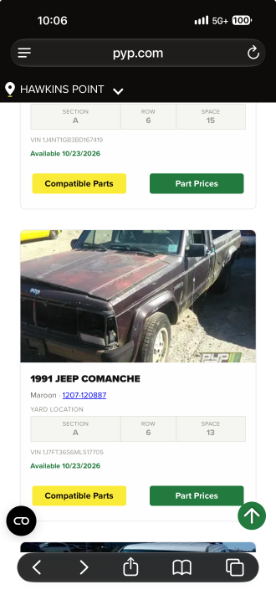
I got the tailgate. Rear bumper is not bad but seized on tight. The bed is not in bad shape. Rust on the floor but the sides are good
-
H&R Block has been a good source of clients for me. I am often fixing mistakes, responding to IRS notices, or amending a return to claim a better tax position then was originally claimed on a return. Thank you Block.
-
1989 ba10/5 rear main seal
87MJTIM replied to Buffalo Man's topic in MJ Tech: Modification and Repairs
I was going say what Eagle suggested. As for the dust shield, it is sandwiched between the engine block and the flywheel. To remove the dust shield requires removing the transmission and the flywheel. -
1989 ba10/5 rear main seal
87MJTIM replied to Buffalo Man's topic in MJ Tech: Modification and Repairs
Manual transmissions don't have inspection plates. The dust shield is a solid, single piece of metal. You have to remove the rear bearing cap to access the RMS. -
1989 ba10/5 rear main seal
87MJTIM replied to Buffalo Man's topic in MJ Tech: Modification and Repairs
You don't have to pull the trans to change the RMS. The RMS is a two piece seal. You have to drop the oil pan and remove the rear main bearing cap. The lower half of the RMS is in the cap. Use a small brass punch to remove the upper half of the RMS. -
Is there a decent bed mat available new?
87MJTIM replied to OzarkGuy's topic in MJ Tech: Modification and Repairs
Try a horse mat. You will have to trim it to fit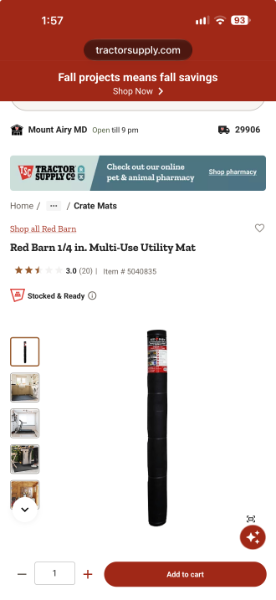
-
Excess pressure in fuel tank
87MJTIM replied to hgeranium's topic in MJ Tech: Modification and Repairs
Mine was doing the same thing. The vent tubes got crushed after the bed was removed and re-installed after a restoration. I dropped the tank and re-routed the lines - taping them in place to prevent movement and getting crushed again. No problems since. -
I tried fitting the 97+ master cylinder. It was a while ago. I don’t think the bolts line up with the existing holes. It also sticks out farther from the fire wall.
-
MJKally, nice to see you found ComancheClub. I had responded to you on JF previously. (I couldn’t recommend you to CC or else JF would chastise me.) You can find all the information I referenced on CC and more. The members here really knowledgeable and will help you with all things MJ. Post some of your other pictures on CC. Also register your MJ in registry section. Welcome to the addiction!
-
How did you do this? These are some of the YT videos I watched.
-
I am getting water on the passenger side during some rain storms. It appears to come through the heater vent box. I have seen videos on YouTube about leaks coming through the front cowl. The water drips through a metal seam where the sealer has dried and cracked. The videos show cutting an opening in the cowl’s metal to access the sealer seam. Then reapply caulk or RTV to seal the leak. I not sure I would want to use these extremes on my MJ.
-
Hang a price tag from a mirror and call it: Mini-Pearl
-
Didn’t make it either. Too many home projects that day. The next day rained. I had to get things done Saturday
-
Novak AX-15 short throw shifter
87MJTIM replied to Eagle_SX4's topic in MJ Tech: Modification and Repairs
Speaking of sticker shock…. -
I blame "plate tectonics" to cause all the continents to shift westward.