


ftpiercecracker1
-
Posts
2140 -
Joined
-
Last visited
-
Days Won
1
Content Type
Profiles
Forums
Gallery
Everything posted by ftpiercecracker1
-
Its that turbo gear driven?
-

just put down the hammer and back away slowly...
ftpiercecracker1 replied to Pete M's topic in The Pub
They grindededed them down so you can't see em -
Well, i figured since no one replied no one needed/wanted to know. https://spareto.com/oe/0449316020 Thread should probably be deleted honestly.
-
just put down the hammer and back away slowly...
ftpiercecracker1 replied to Pete M's topic in The Pub
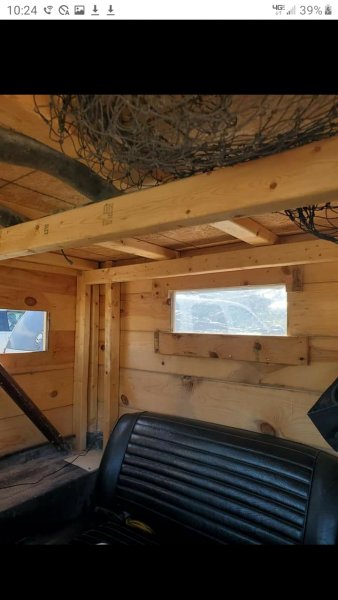
Me and my plywood rear window.
-
just put down the hammer and back away slowly...
ftpiercecracker1 replied to Pete M's topic in The Pub
Pics




-
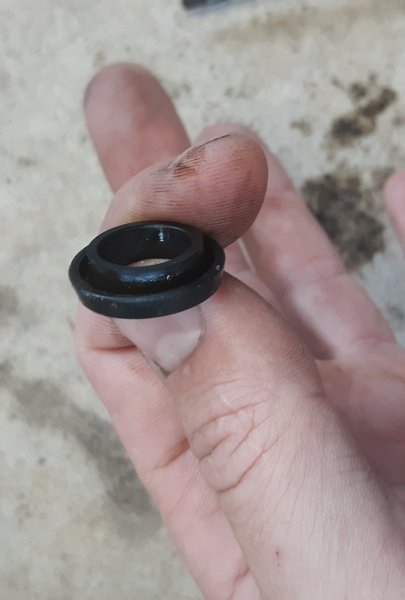
Never mind. After some intensive internet sleuthing and cross referencing i think ive found a seal kit that will work.
-
1984 tercel. Brake pedal goes straight to the floor. No fluid loss anywhere, figure it has to be MC. These are the O-rings that seal inside the MC bore. Any idea where i might find them? RockAuto actually has a rebuild kit for $30 but I'm a cheap bastard. I figure the o-rings can't be more than $10 so if i can find them, why not? RA link https://www.rockauto.com/en/parts/raybestos,MK1615,master+cylinder+repair+kit,1840
-
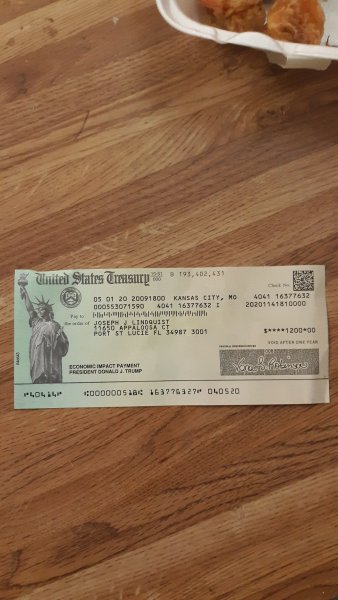
Awwwww yaa boyssss. We be eatin good to-night! Not. Every cent is going right back to pay 18 and 19 taxes.
-
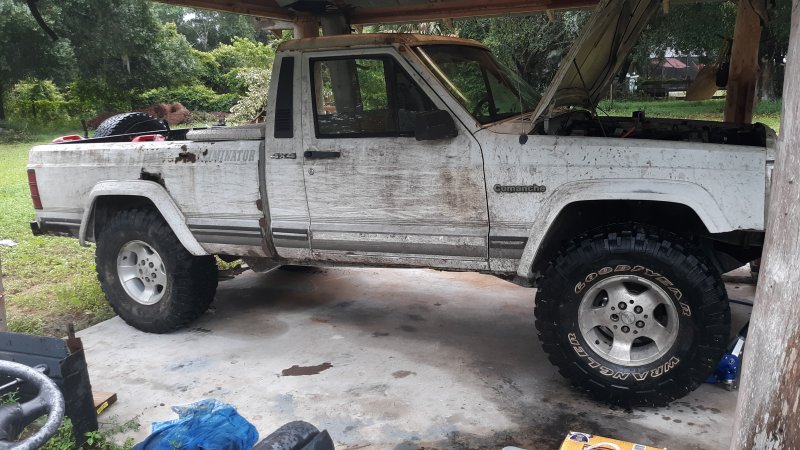
Thanks guys. Ya no way its shipping damage. Just a deffect that slipped through the cracks (pun) Just put some nasty 33x12.50 MTs on her so i dying to get her going again. Having to send this rad back is killin me.
-
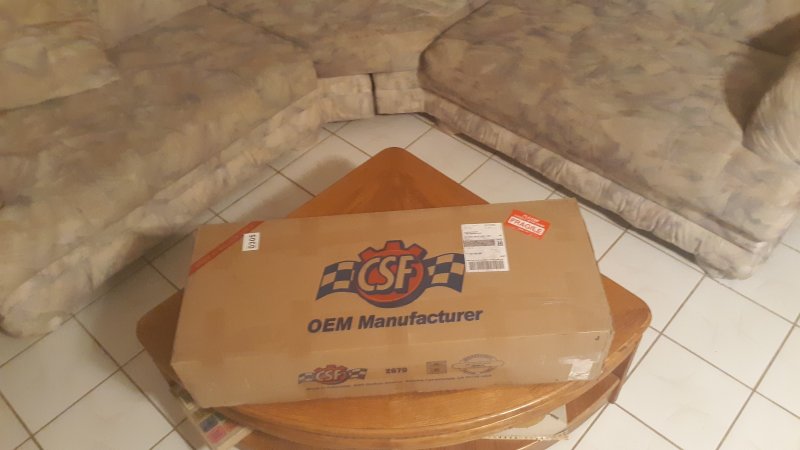
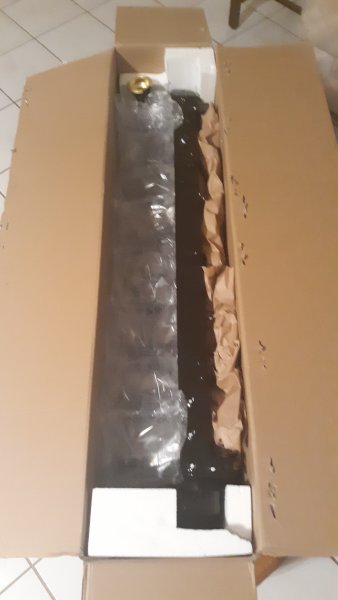
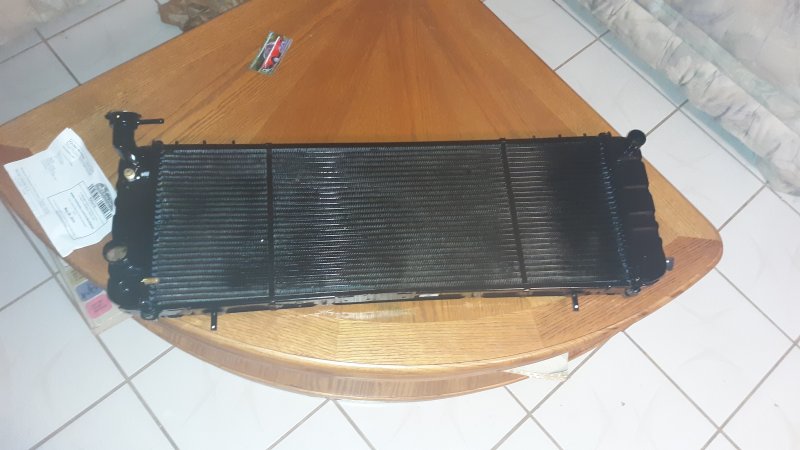
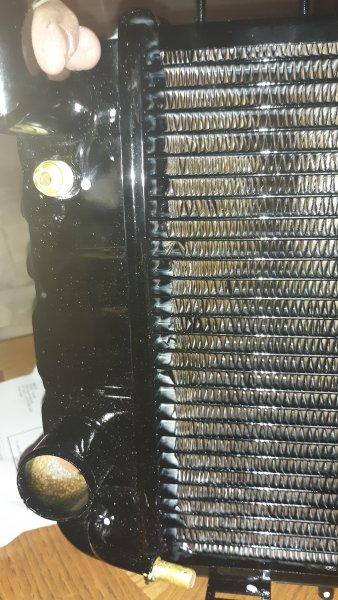
Thought you guys might enjoy this. 2 core all metal off of RockAuto. Arrived today. Box was taped and stabled well with a handle with care and radiator sticker. Must have been handled well during the delivery process as there was no damage to the box at all. Lots of packing material More air pouch packing material held the radiator nice and firm. Exposed in all her glory. Onto the problems: Cooling fins are lose on the edges. Not attached to the tubes. Seems a tad sloppy, but i don't think it will hurt performance. This is the one that concerns me. This is a through split/crack and I'm not sure how much I should be worried about it propagating. The other nipple has no imperfections. Excess weld bead inside the filler neck at the corner. Probably nothing to worry about but thought I would show it.



-
Its like the hydra. Every answer i get inspires two or more questions. 🤪 To spare you all from my unending stream of questions perhaps you could suggest some recommended reading? Not so much "black wire hot, white wire nutral, bare wire is ground", but electron flow, terminology and there meanings, formulas, history of formulas. Applied electrical theory? Is anyone here an actual EE? On a scale of 1-10 how well do we understand electricity? 10 its our b***h, 1 we're its b***h.
-
A/C whats the difference?
ftpiercecracker1 replied to ftpiercecracker1's topic in MJ Tech: Modification and Repairs
Thanks for all the help guys. Looking forward to getting my a/c back together and just in time too. I will report back once i start collecting parts. -
What is the function of an LED driver? 🤣 So high voltage motors can't be small and the only difference is physical size? Like wire guage and what not?
-
How is the speed of your wipers? Mine have always been very slow. Even on high they can barely keep up with even a moderate amount of rain forget an actual downpour.
-
A/C whats the difference?
ftpiercecracker1 replied to ftpiercecracker1's topic in MJ Tech: Modification and Repairs
There is no high pressure cut off? Keeping the old plug would require using the old dryer. Can i just cut and splice the newer plug on in order to use the newer dryer? What year? Would it also be 1991? So that would be a 1991 exp block and dryer? -
I feel like i actually understand. 🙂 Why do LED light bars need giant heat sinks? That still doesnt explain the physical difference that allows one motor to operate at 24 and another at 12. If i wanted to convert a 12v motor to run on 24 or 36 or 42 etc what has to change about thr motor physically? Because obviously whatever is inside a 12v motor can't handle 24v coursing through it. How is a 24v motor wired such that it does not burn up? Thank you for sharing your knowledge.
-
A/C whats the difference?
ftpiercecracker1 replied to ftpiercecracker1's topic in MJ Tech: Modification and Repairs
Thanks, got it PAG 100 As far how much refrigerant i imagine the pressures will dictate when the system has a full charge. Any thoughts on the pressure switch? -
Resistors control volts specifically? I thought volts and amps have a direct correlation. You can't change one without effecting the other. What is an example of a well/poor designed circuit? How can a simple single LED circuit be screwed up poorly designed? Two wires, power source, device, done. Does that mean 24v motors are just physically larger than 12v motors? There is no difference in the internal wiring configuration? This is what i really want to get to the root of. Really wish i had a 24v motor here so i could tear it apart for myself. Why volts? I thought excessive amps is what causes things to go boom.
-
1# What is the difference between a 12v and a 24v motor? As in the internal structure/configuration/wiring. A 12v ran on 24v will double its output, but will burn up in just a few short minutes. At least that's what happened to my trolling motor yesterday. I have had zero success trying to find the answer doing a regular internet search. 2# LEDs. They are super efficient, use minimal power and generate almost no waste heat energy. From what ive seen LEDs must have resistors. In my mind resistors are simply energy sponges that take in enegery and disperse it as heat, therby dropping the outgoing voltage to whatever is specified. What is the point of using a super efficient LED if you have to burn off all the excess energy anyway? Isnt there a way to step down the volatage/power without having to consume some of it in the form if heat through resistors? Its seems like such a brutish way of metering electricity, just like how the incandescent bulb creates light. Its a shorted connection that can withstand the temperature. Using brute force to generate so much heat that it glows white hot. It would seem to me that there would be a different way of metering electricity. Like pouring a glass of juice, you only pour what you need (power going to device) and the rest stays in the jug (battery) Right now it seems like you hold the cup over the sink and pour out the whole jug to fill a tiny cup. Once the cup is full the rest has to be poured down the drain (resistor consuming energy) because we can't stop the flow of juice. I made a pun. Electricity is my absolute favorite subject, but its so gosh darn mystifying.
-
A/C whats the difference?
ftpiercecracker1 replied to ftpiercecracker1's topic in MJ Tech: Modification and Repairs
Ok perfect. Thanks for the part number. So this Condenser (APDI 7014173) and this Evap core (UAC EV4178PFXC) Next is the expansion block and reciever dryer. Based on what ive seen, 1991 dryer does not have a socket for the plug that is on mine. Which i assume has something to do with the pressure switch. Compressor oil, ether or mineral? -
A/C whats the difference?
ftpiercecracker1 replied to ftpiercecracker1's topic in MJ Tech: Modification and Repairs
Ok, cool. Looks just like the post 97 evap core but with threaded fittings. So pretty much everything can be pre 97? I wonder why the condensers arent plate and fin style. Also someone mentioned i should get a parallel flow condenser. It looks like they are all parallel, although they don't say it explicitly. -
A/C whats the difference?
ftpiercecracker1 replied to ftpiercecracker1's topic in MJ Tech: Modification and Repairs
The newer 97+ system uses push to connect fitting with clips. The old system uses threaded fittings. How did you adapt the newer evap core to the older fittings?? There is no way to attach the old expansion block to it? Are you using an orifice tube instead? I want to use the fancy new plate/fin design but i don't know how it could be done without replacing the entire system. -
A/C whats the difference?
ftpiercecracker1 replied to ftpiercecracker1's topic in MJ Tech: Modification and Repairs
I am currently looking into this. I want to know more about the differences between the evap core styles (fin plate vs tube whatever) So you used an older (pre 97) style condenser, but and newer (post 97) evaporator. What about the compressor? Are the fittings the same across the years? Ok so there are different blocks for the two different refrigerants -
A/C whats the difference?
ftpiercecracker1 replied to ftpiercecracker1's topic in MJ Tech: Modification and Repairs
Searched DIY section, couldn't find it. Link? So ignore orifice tube/accumulator. Get new expansion block, why though? Isnt it just a block of metal with two holes? One that is adjusted by a thermostat? I imagine it would be pretty simple to clean/test that right? Reciever dryer, yes, not going to argue here. and evaporator/heat core. I understand the thought process, but mine doesnt leak. I've had the a/c going a couple times in years past. My truck is just a mud toy, totally gutted and ive mastered pulling the dash so its not a big deal if it goes out. Plus i can save a few bucks If i do buy a new one, for what year? The dash changed in 2000? So will i have to stick with pre 2000 parts? Same for condenser? Pre 2000? My truck is a Renix 1990. I can and will cut/splice new connectors electrical or otherwise if it means upgrading to a newer system. The problem is, aren't newer jeeps' a/c controlled by the PCM/ECU vs the renix pressure swithes and thermo resistor thingys? My compressor is used, but a newer variant (134a) It spins freely/quietly and the electro clutch works and it makes pressure when engaged. Are there any further tests? Has anyone considered running propane as their refrigerant? -
Trying to get my a/c pieced back together and I'm wondering how i should go about this. The truck still has the old Renix pressure switch plug, evaporator, and expansion valve block that goes on the engine side firewall. I'm wondering how much i can mix and match parts. The main one being the orifice tube used in newer jeeps (r134a) and the expansion block (r12) Whats the difference? Same for compressors are they all created equal? What about dryer/reciever vs accumulator? Also any idea if i can use flexible hydraulic lines as a/c lines? Soldered copper? Alternatives? I need custom lines because of my alternator/ compressor setup.