
kryptronic
-
Posts
825 -
Joined
-
Last visited
-
Days Won
11
Content Type
Profiles
Forums
Gallery
Everything posted by kryptronic
-
 No electrical issues stated, no loss of fuel pressure, no RPM loss. It doesn't sound like you lost power at the engine - it sounds like you lost the ability to move forward, meaning you lost power at the wheels. This sounds to me like the torque converter in that automatic transmission may be going out. I think the issue is with the transmission or behind it, so some other members will have to post in here to help. I have almost no experience with automatics, and I could be wrong in my assessment. Good luck. Hoping others chime in.
 -
I just re-read the OP and the 'high whining revving' does not sound like a fuel issue. Missed that. Can you define what power loss means to you? Did you lose RPMs, or just the ability to move forward? Did you have your foot to the floor and the engine at high RPMs without the vehicle moving?
-
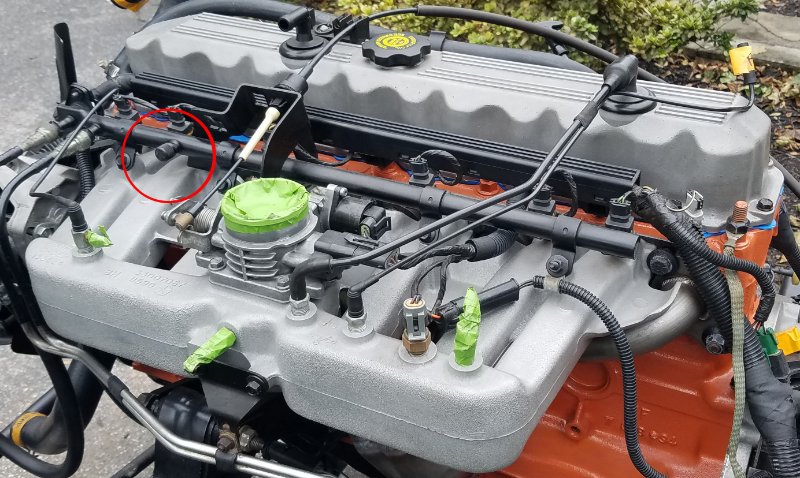
You gave a little info there, but not much. Sounds like a fuel delivery issue to me, as you didn't mention any issues with cranking, and didn't mention anything electrical like no lights, no voltage on your voltmeter, etc. Are you low on gas, or out of gas? Can you check the fuel pressure at the fuel rail just to see if there is enough fuel in the fuel rail? Unscrew the cap, cover with a rag, and use your key to push the pin in. If gas sprays out, you have pressure at the rail. If it drips out, or none comes out, you don't. Pic for reference: If you have low or no fuel pressure at your fuel rail, sometimes just waiting a few minutes and trying to restart works. The fuel pump might respond by sending more fuel into the rail. Usually enough to fill the rail and no more. If this is your condition, you have a potential wiring issue (like the fuel pump ground in the taillight being bad), and/or need a new fuel pump relay, ballast resistor, and/or fuel pump. The ballast resistor can be bypassed to rule that out, and the fuel pump relay can be switched with a known working relay to rule that out. If the fuel pump is bad, you have very little time before it ceases working altogether. Further on fuel delivery issues, do you hear your fuel pump prime when you put your key in the ignition and turn your key before starting the vehicle? On fuel injected vehicles you are supposed to turn the key, wait until you hear the fuel pump prime, then start the vehicle. Do you hear it prime? Always? Sometimes? Never?
-
Crushed Dowpipe from Factory?
kryptronic replied to kryptronic's topic in MJ Tech: Modification and Repairs
Anecdotal evidence suggests this crush in the pipe was present on 4.0L MJs and XJs when they left the factory. As far as the clearance argument, there's nothing to clear in that area. As such, I can't see clearance as the reason for these crushed pipes from the factory. As far as the emissions argument, I find it very hard to believe that Jeep's answer to improved emissions was a guy on the assembly line with a hammer crushing downpipes. If there needed to be a restriction in the pipe for emissions, they would have manufactured that into the pipe for the 190,446 Comanches and 2,932,013 Cherokees they built. How many licks does it take to get to the center of a Tootsie Pop? We may never know. Same with this. -
Crushed Dowpipe from Factory?
kryptronic replied to kryptronic's topic in MJ Tech: Modification and Repairs
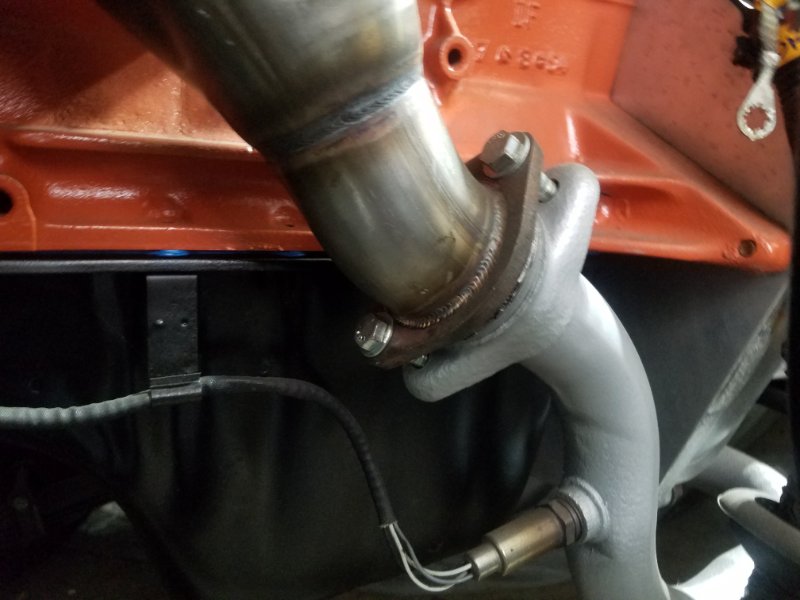
I think you're referring to the YJ pic, and that's just the angle of the pic making it look like a big difference between the two. They're really close in size. It's a 2.5" collector on a Banks revolver header funneling into 2.25" exhaust. -
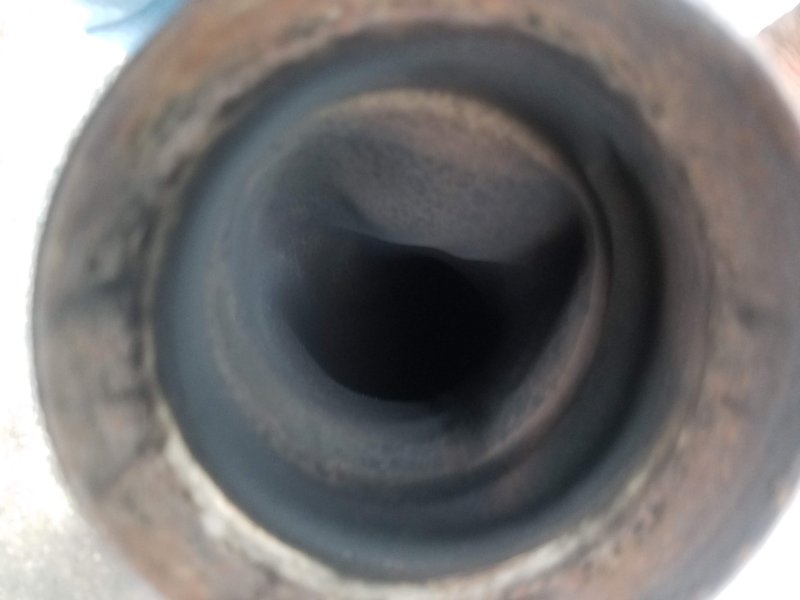
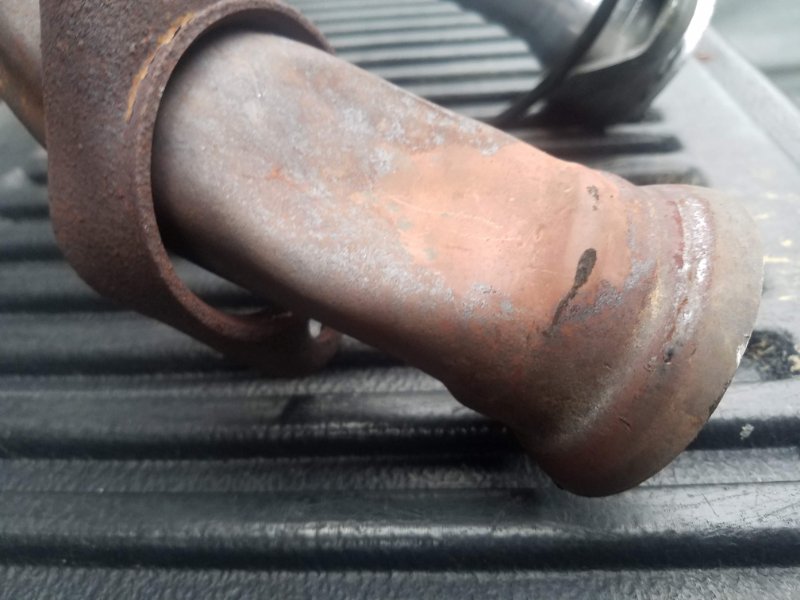
I recently replaced my exhaust downpipe when I noticed it had a crush in it just above the O2 sensor. The truck is a 1991 Shortbed 4.0L AX-15 4WD. I compared this to my 1995 YJ 4.0L AX-15, which uses an almost identical downpipe (differences are on the catalytic conveter side). The YJ pipe was straight and uncrushed. I assumed the MJ's pipe was damaged at some point in the past, so I replaced it with a new Walker unit. I wrote about this in my build thread, to which I received numerous replies stating that people believed the downpipes were crushed like this at the factory (for some unknow reason). The question for the community is: Who has seen the same crush on their factory downpipes, and who hasn't? If this is really something they did at the factory, why? Pics welcome. I'm hoping some of the members who posted in my build thread would post back here in tech (@Minuit, @olddude, @fiatslug87, @89 MJ, @Jesse J) as well. Thanks. This is more of a poll than a tech problem. I replaced the downpipe and my truck is running great. Mods should move this if necessary. Thanks.
-
Silver Star 1991 Pioneer Build
kryptronic replied to kryptronic's topic in Member Projects: Your Comanches
Based on recent responses, I may be mistaken about the crush in the factory downpipe. It sounds like the truck could have shipped that way from Jeep. I have no idea why, though. Maybe to restrict emissons. My idle is smooth 100% of the time with the new Walker downpipe (no crush). Thanks for all the feedback. I opened this thread to discuss the factory downpipes, and get more info on these mystery crushes: -
Silver Star 1991 Pioneer Build
kryptronic replied to kryptronic's topic in Member Projects: Your Comanches
From the exterior the crushed area didn't look too bad, and wasn't really noticeable. It may have been like that since I got the truck, but am surprised I missed seeing it before now. It's kind of easy to miss. I think somewhere along the way the downpipe suffered some kind of impact, and that's likely the weak area where they fold. Likely the same scenario for yours. Here's a pic of the inside of the pipe. These downpipes would have never come from the factory like this. The exhaust is supposed to be 2.25" from the exhaust manifold to the tailpipe. Anything smaller would limit flow. The crush on my downpipe limited exhaust flow to approximately 2" x 1.75". The motor was choking on it's own fumes, and you could hear it, if you listened for it. To rule out this being a factory feature, I took a look at my 1995 YJ. It's got the stock downpipe hooked to a Banks revolver header instead of the stock exhaust manifold, but the downpipe design is nearly identical to the MJ. The only differences are on the catalytic converter side of the pipe (converter slips onto the YJ downpipe; the hanger is different). So the YJ downpipe was a good comparison, and it lacked the crush. You can see what it looks like here: I know Jeep did some strange things, but this wasn't one of them (IMHO). If yours is like that, and you decide to fix it, before and after audio of your exhaust note would be great to listen to. You're likely hear the engine choking on itself about two to three times a minute.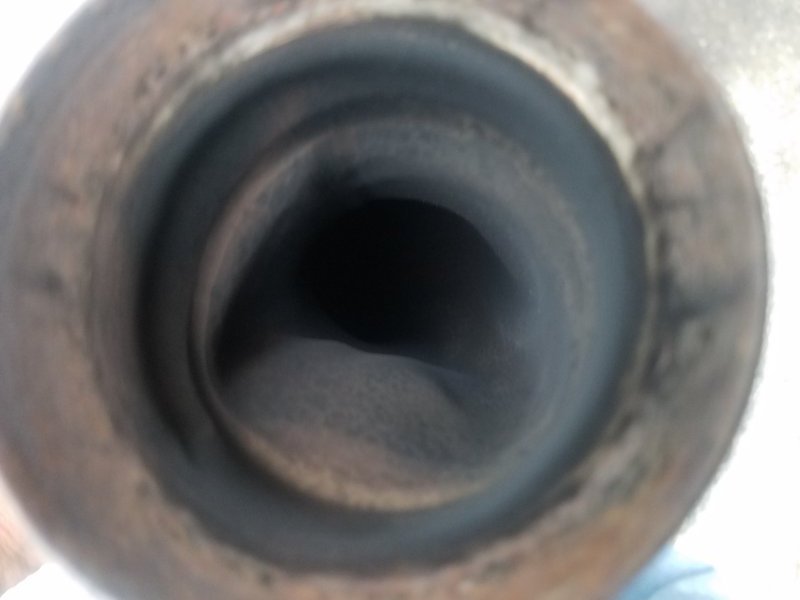
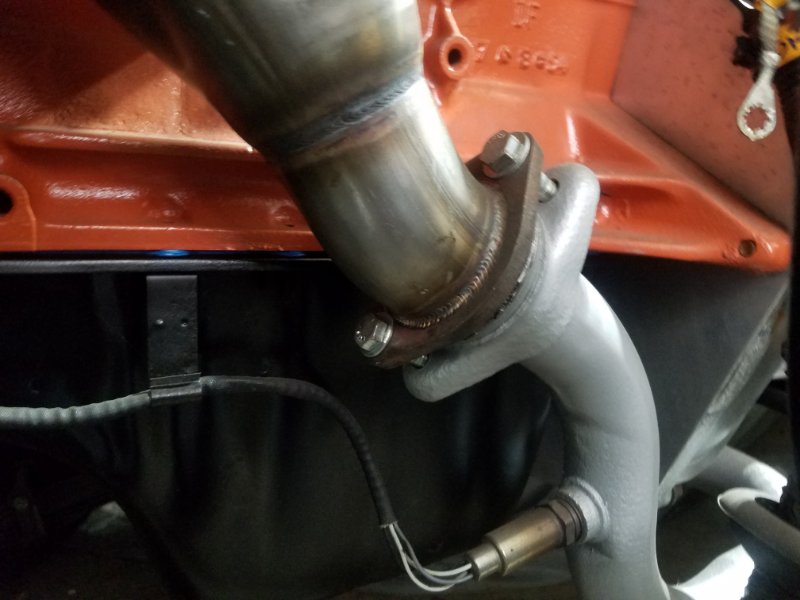
-
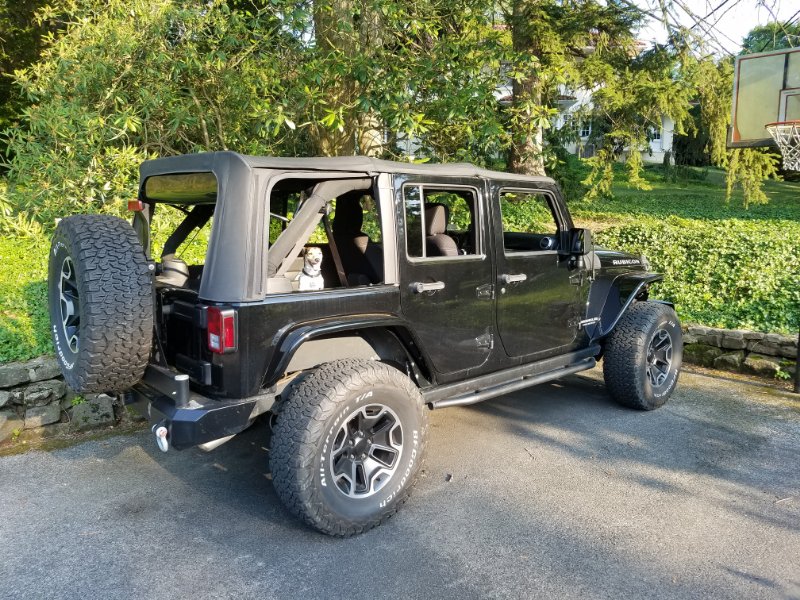
2020 Update This is just a quick update on Black Aggie. She's been running great and just turned 60,000 miles on the odometer. I had two issues this past year with her. She started throwing ODBII code P0128, so I had to replace the thermostat. It was stuck open. The other issue was with the right rear axle seal on the D44 - it was leaking. Both items were fixed, and everything else is great with the truck. She just passed state inspection and is good to go through January 2022. I had a soft top on it for a brief minute during the summer. My little dog thinks he's going for a ride.
-
Silver Star 1991 Pioneer Build
kryptronic replied to kryptronic's topic in Member Projects: Your Comanches
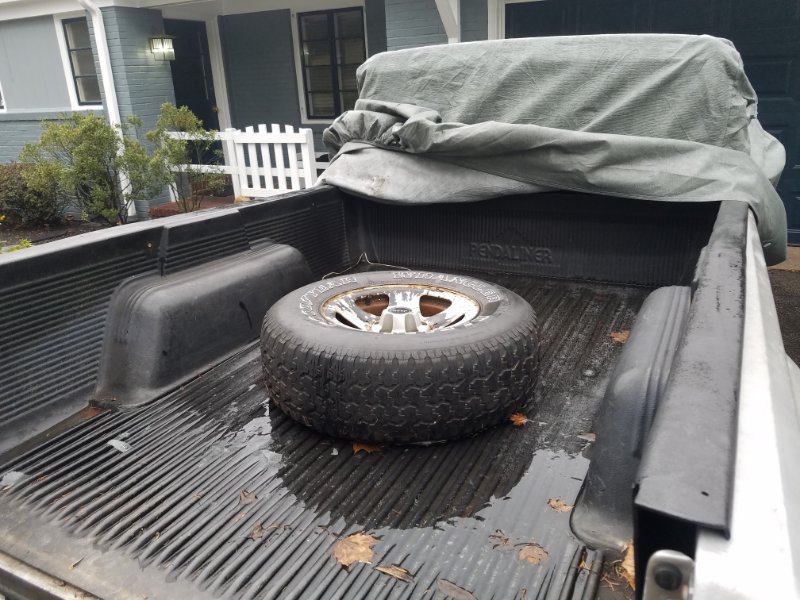
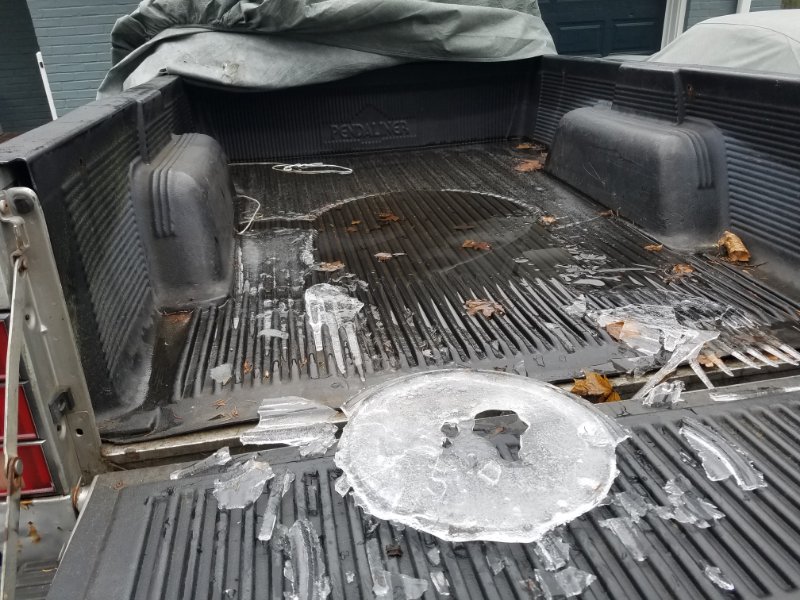
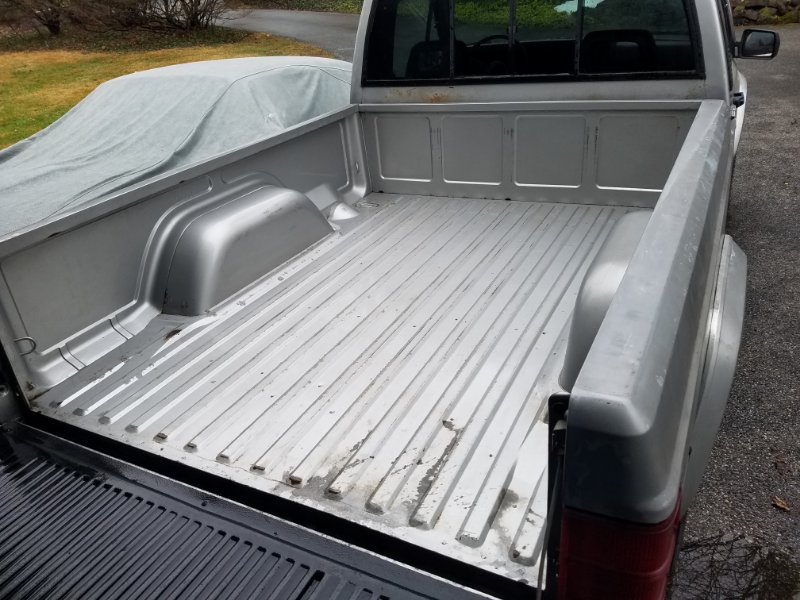
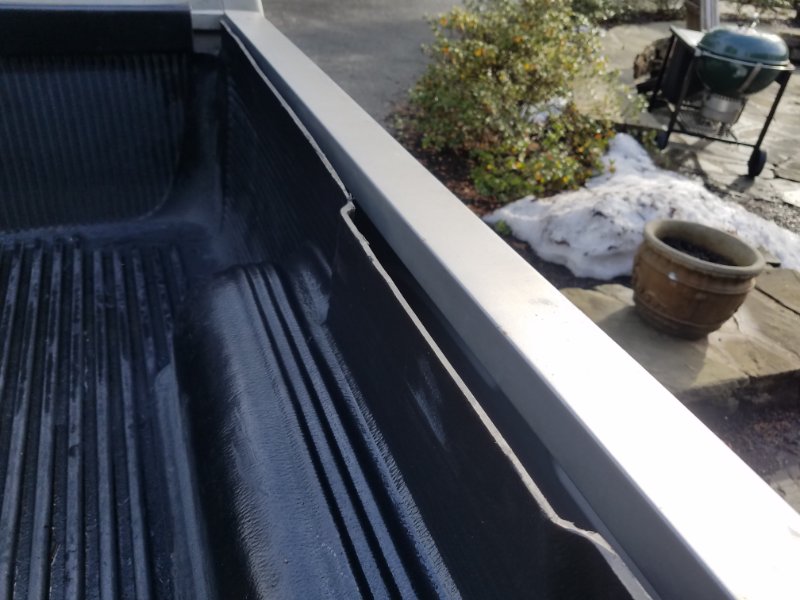
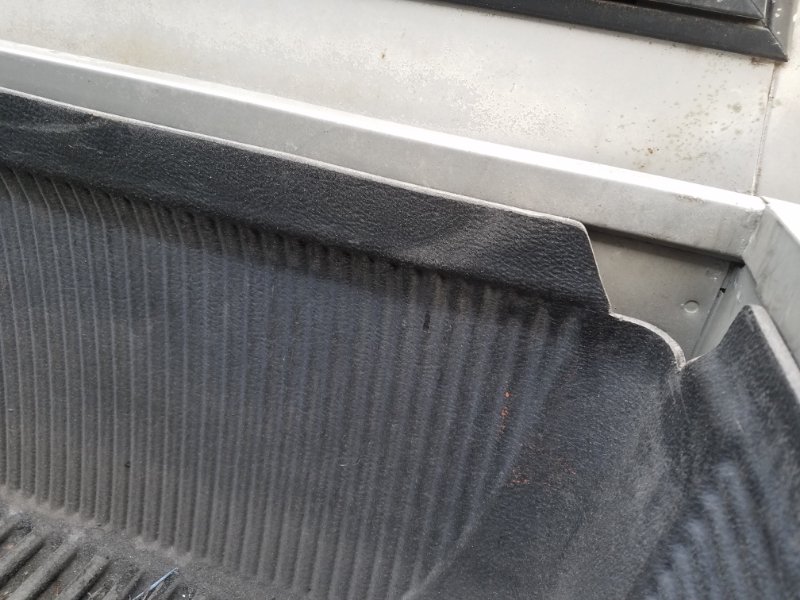
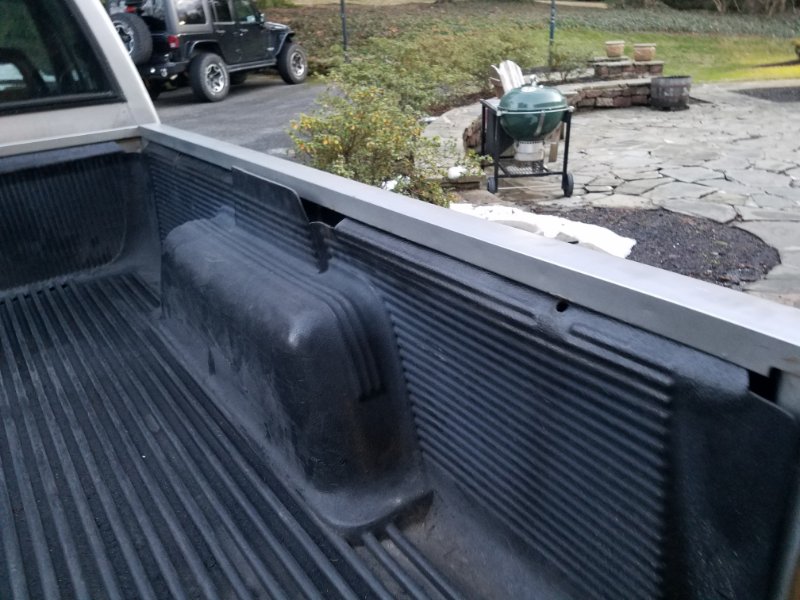
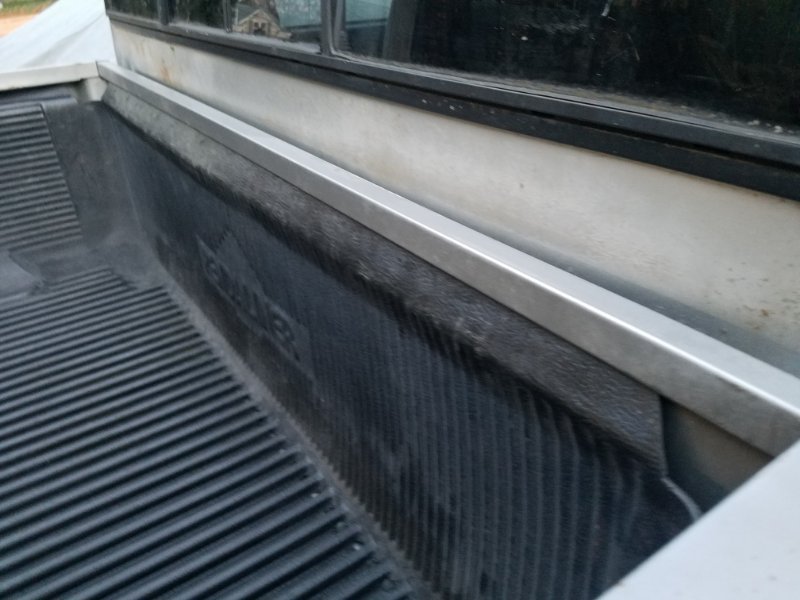
Winter 2021: Cutting The Bedliner Silver Star came with a Pendaliner over-the-rail bedliner without any hardware. For a while I ran a Comanche stamped under-the-rail bedliner, but sold that to @Pete M in 2019 as he really wanted one., and I had a spare. I switched back to the over-the-rail liner, but it has never worked well for me. The lacking hardware presents a safety problem, limiting me to small slow trips around town. That's somewhat overcome by keeping a spare tire in the bed, but the real nagging issue was the drainage. Most of the year the MJ is covered in the driveway. This keeps things like dirt, leaves and snow away - but not water. It's a real pain. The truck needs to be de-iced in the winter and drained just about any time I want to use it. The truck bed itself has drain holes in the front, but the bedliner has no holes to let water flow there. The bed itself is in great shape due to it being covered with a liner it's whole life. Eventually, I'm going to coat the bed in bedliner. When I get to building the truck, that is. I decided to kill two birds with one stone. I liked the fact that the under-the-rail liner I had didn't need hardware, and I was pretty sure I could cut the over-the-rail liner and mold it so that it would function like the under-the-rail liner did. I just needed to pull that off, then add some drain holes up front. I started out by cutting the bedliner almost level with the bed all the way around. The pic above was a test fit before I cut the front portion. I notched the corners, then notched the bedsides so that standing sections could be bent in under the rails. The plastic was very thick (at around 1/4") and very hard to cut. I used a 4" grinder with a cutting wheel. After all the final cuts and notches were made, I used a heat gun and clamps to mold the standing sections at 45 degree angles so they would fit under the rails. Due to the thickness and rigidity of the plastic, the heat treatment and bending took a while at very high heat, but worked well. Here's the final result. You can see in the last pic that I drilled drain holes in the grooves of the bedliner along the front face. The fitment is extremely tight and it takes a little bit of wiggling to get the bedliner in to the bed. This now offers excellent drainage, full protection of the bed, and is very safe - it's not going anywhere. I'm very happy with the mod. Also, I should note that I attempted to sell this very bedliner here on Comanche Club several times prior to cutting it. To my knowledge, there was nobody on the east coast of this country that wanted a Pendaliner stamped over-the-rail bedliner for a shortbed. I did my due diligence.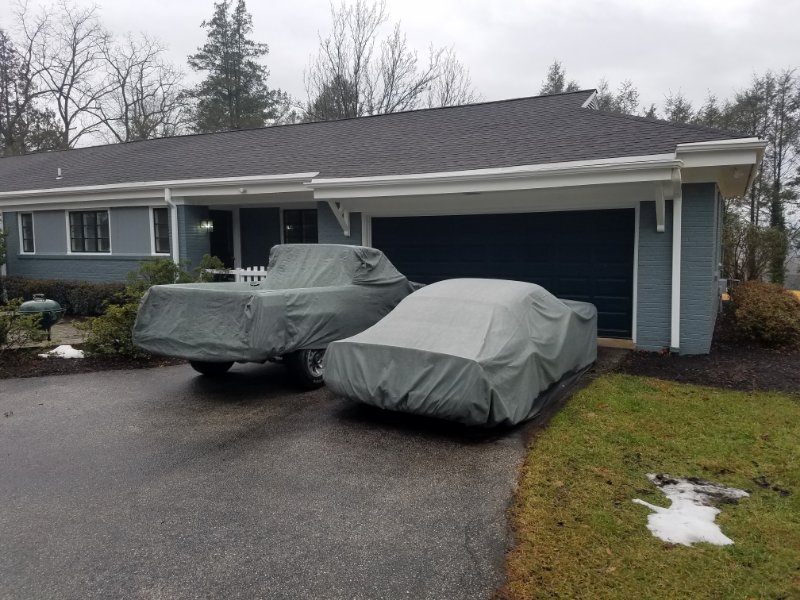
-
Silver Star 1991 Pioneer Build
kryptronic replied to kryptronic's topic in Member Projects: Your Comanches
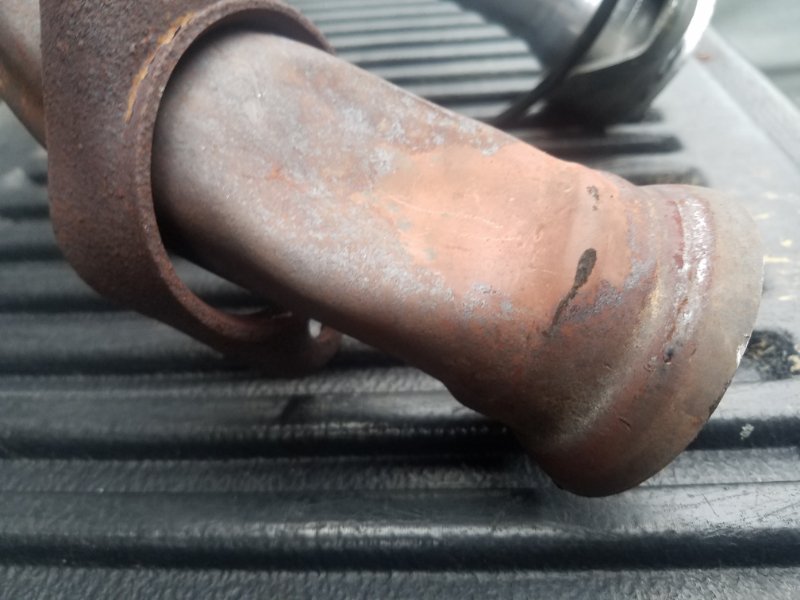
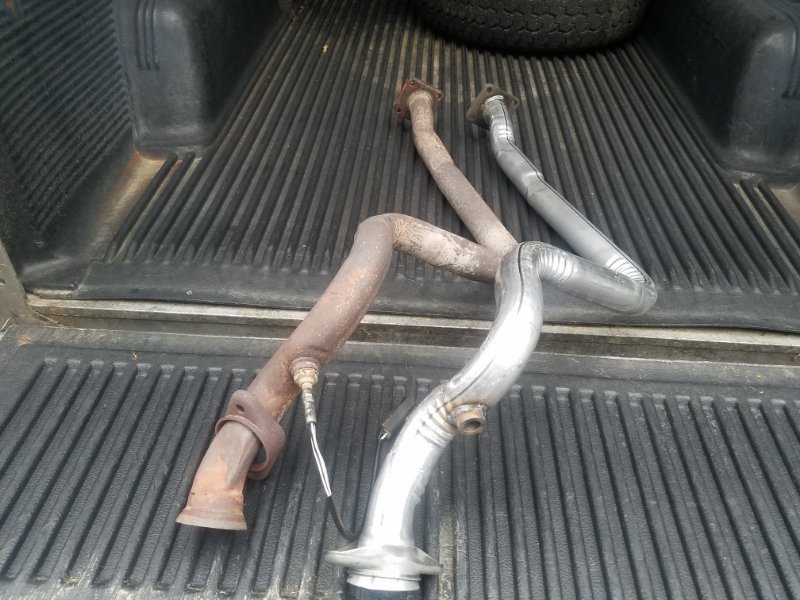
Fall 2020: Exhaust and Fuel System Fixes and a Tune-Up Between Spring 2019 and Fall 2020, besides purging a bunch of projects and getting a few things done on the MJ and the YJ, I did a lot of work on my yard, and pressed the MJ into service hauling all over the property. It did a fantastic job any time I called upon it. I was really tied up with yard maintenance, and then ultimately painted my house in Fall 2020. A bunch of work went into making the house nicer, and not much time was spent on vehicle projects. But, I did get some time to handle a few things. I was able to track down a final issue with the fuel system. One of the hoses used to connect the fuel filter had collapsed upon itself - probably due to age - and fuel flow was restricted. I replaced the hose with a new one and solved my fuel delivery issues. The one thing that has given me trouble with this vehicle has been the fuel delivery system. At this point I have been over it in triplicate and know it's 100% now. Then I ran into an issue where the MJ started running a bit rough in closed loop. I tracked the issue down to a bad O2 sensor (via OBDI scan). It was not firing a CEL, but there was a code for a bad O2 sensor. When I got under the truck to replace the sensor, I discovered the downpipe was partially crushed. This may explain why the sensor was dying, and why I was hearing some off notes in the exhaust. I must have hit something in the yard at some point. The parts I used for the fix were a Walker 44626 Exhaust Pipe, a NTK 23023 Oxygen Sensor, a Crown 52005431 Lower Exhaust Manifold to Front Pipe Seal, and the stock/existing Front Pipe to Catalytic Converter seal. Installation was simple. Unhook old parts, install new parts. I didn't bother unhooking the bad O2 sensor, as it was coming out with the bad downpipe. When I first got the truck, I replaced the cat with a high-flow Magnaflow unit, and the muffler with a Thrush Turbo, so these exhaust system changes make the MJ all new (excluding the stock exhaust manifold). I also gave Silver Star an oil change, and a complete tune-up, and did a full battery of tests on here. Vacuum and fuel pressure are excellent - at FSM levels. Compression is excellent across all cylinders, with no reduction noted since my tests in 2017 - which were above factory fresh specs. All diagnostics on the OBDI scanner look excellent - with everything operating in tip-top condition. I have a very high confidence level in the operating condition of the truck at this point.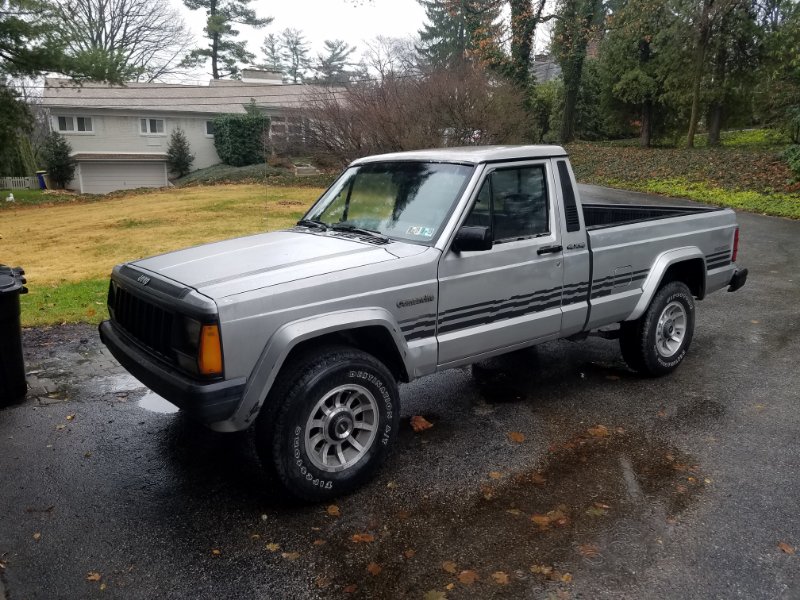
-
Silver Star 1991 Pioneer Build
kryptronic replied to kryptronic's topic in Member Projects: Your Comanches
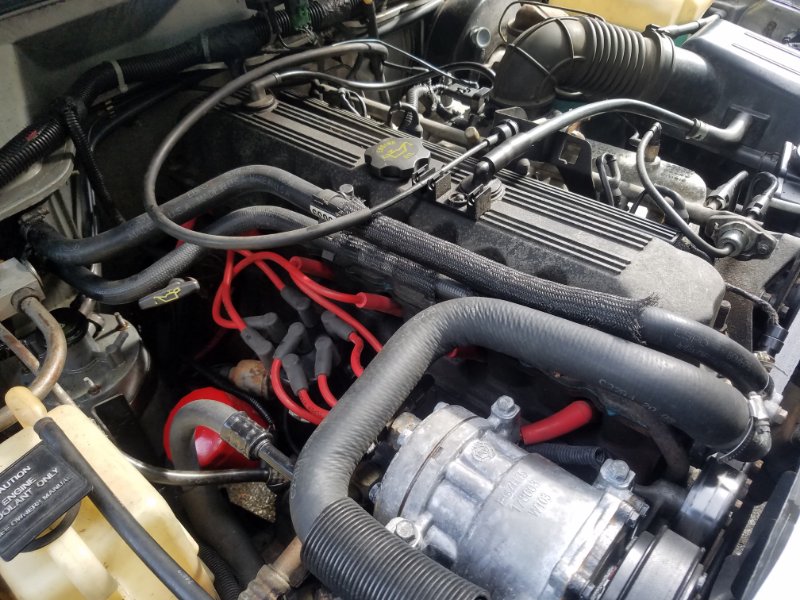
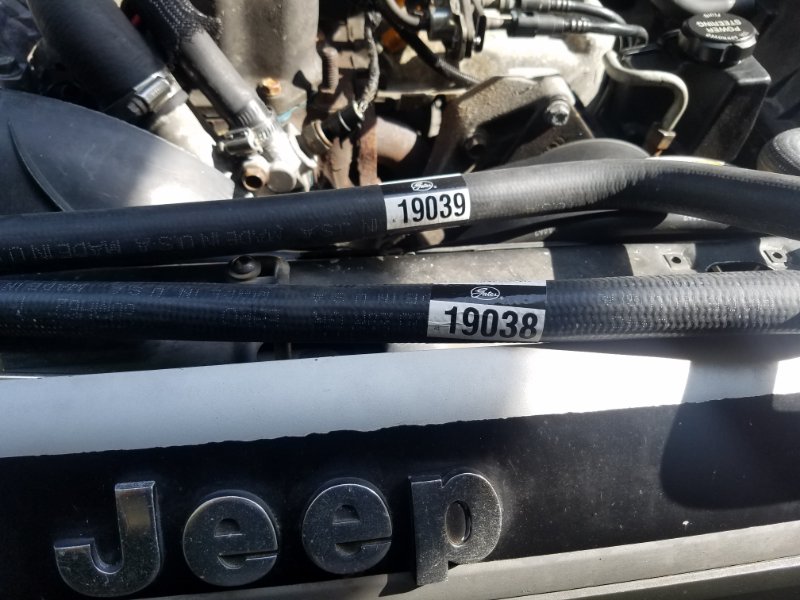
Summer 2020: Heater Control Valve Delete For a while, I had been wanting to do an elimination of the heater control valve on Silver Star. This is a modification that @HOrnbrod (RIP) recommended I do when I first got the truck. On High Output engines, the heater control valve can be removed (without ill-effect) by capping it's vacuum line, and replacing the valve and all the hoses with Gates hoses 19038 and 19039. In Silver Star's case, the heater control valve was leaking fluid slightly, and was an awful rat's nest to look at. My frame of reference for the High Output engine is my 1995 YJ, which had no heater control valve in it's stock form. This modification configures the cooling system on earlier High Output engines to match the system configuration on later engines in the series. This is the heater control valve in stock form on a 1991 4.0L High Output engine. It's what I removed: It was a very simple job. Disconnect the hoses from the heater and the front of the engine. Just those four connections - there's no need to disconnect anything from the heater valve - it will all come out in one clump. Next, connect the Gates hoses to their proper locations. There's only one way they fit properly, both upper and lower, so it's hard to screw up. After capping the white vacuum line, this is the end result: There's no measurable benefit as far as I can tell from better heating, but the heat has always been great. The benefit from this modification is the elimination of leak points, simplification of the cooling system, and a cleaner engine bay.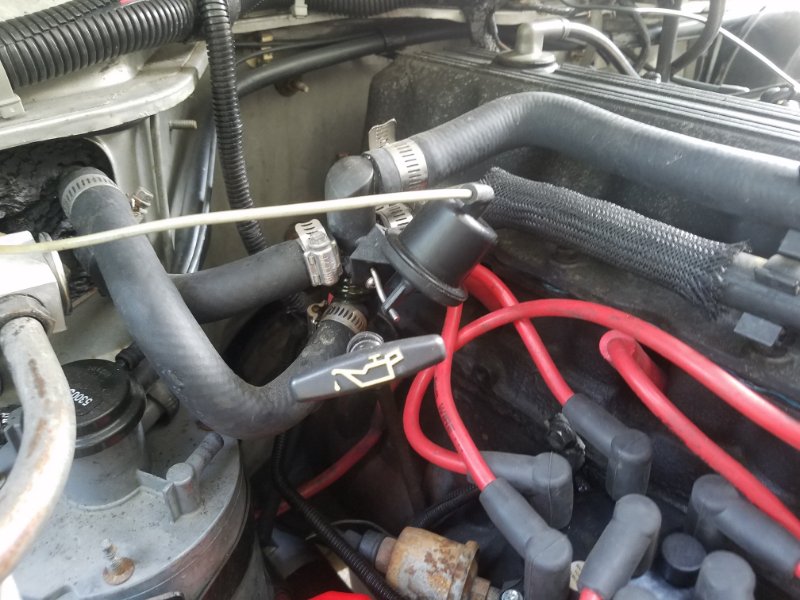
-
Silver Star 1991 Pioneer Build
kryptronic replied to kryptronic's topic in Member Projects: Your Comanches
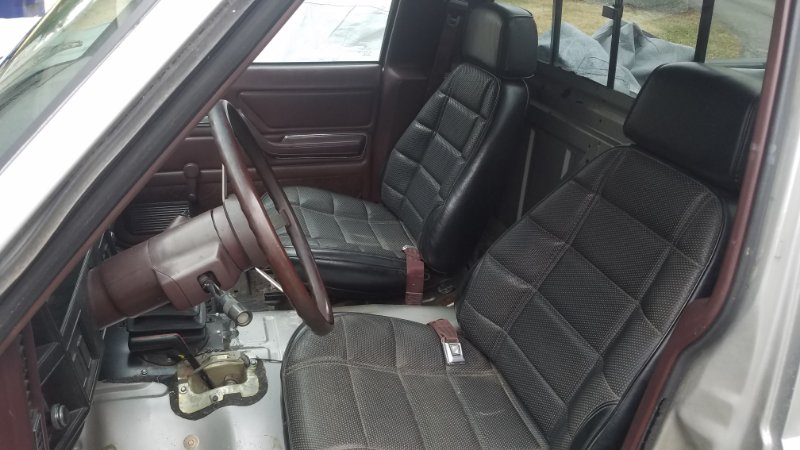
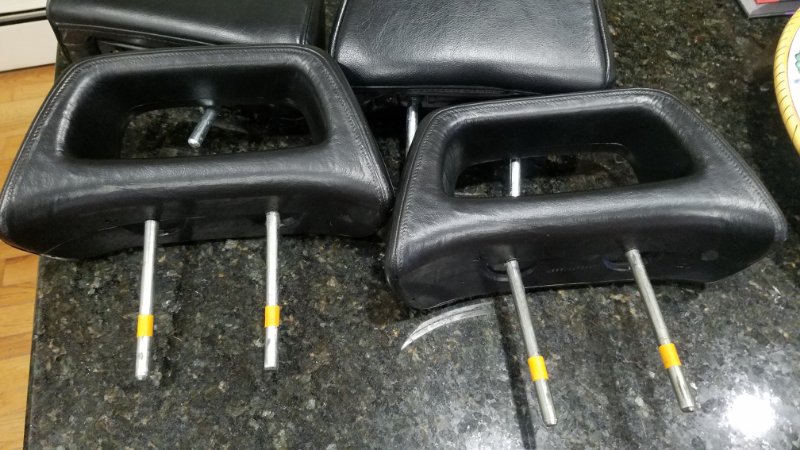
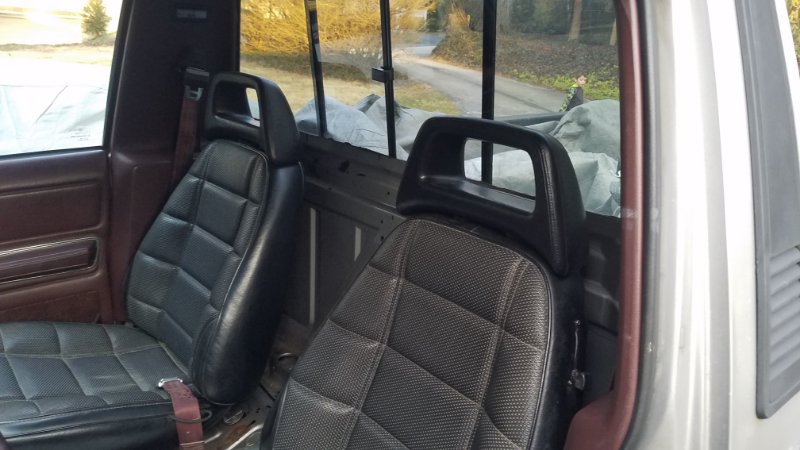
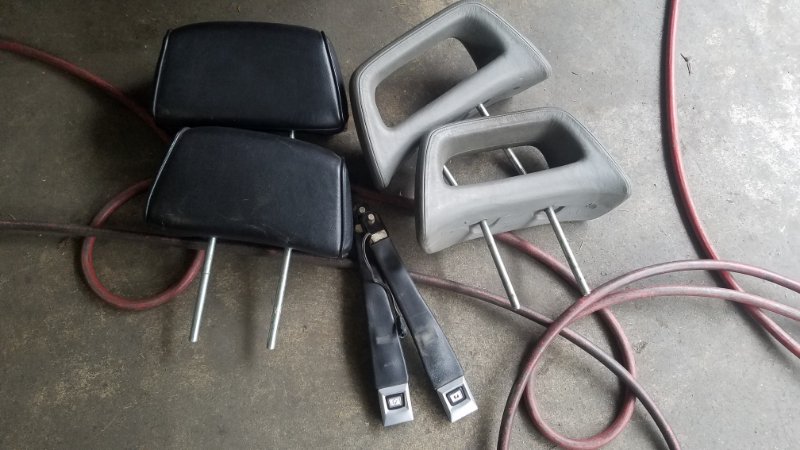
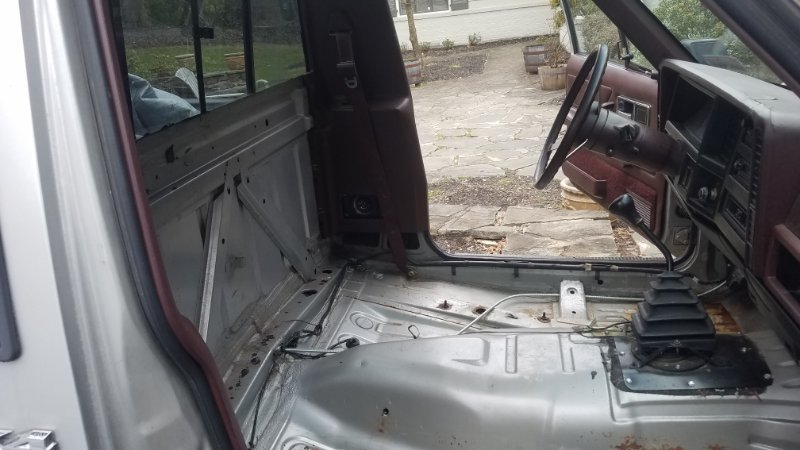
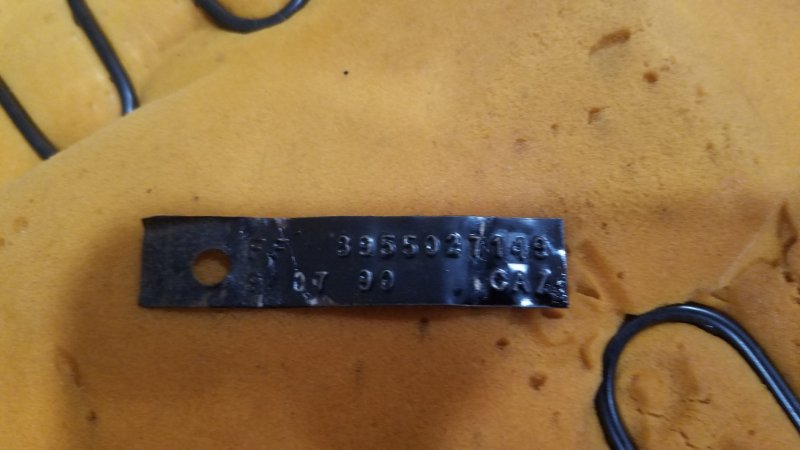
Winter 2020: Bench Seat to Bucket Seats With the purge handled, and my life somewhat in order, I turned focus back to Silver Star to fix handle it's seating issue. Since I got the truck the bench seat has sagged at least 2-3" on the driver's side, and it's been generally uncomfortable, and the driving position is not optimal. It felt like you were sitting in an extremely deep couch with very soft springs. At some point over the last couple of years I purchased a really set nice of AMC-era Black Mesa II fabric standard bucket seat covers from a club member who lives on the west coast. I intended on using them at some point on Silver Star. So I was kind of itching to change over to bucket seats, but had no seats, and I didn't really want to use these seat covers until after the truck was fully restored anyway. On another occasion I picked up a set of MJ standard bucket seats in AMC-era Black Vinyl from a local seller. The seats are in very nice condition, excluding a tear on the driver's seat. They even came with seat bases, and for a few dollars more, I got another set of black door panels, and a bunch more black plastics. When the time comes, I'll have a bunch of pieces from which to choose the best. At the All-Breeds Jeep Show in 2019, I picked up a set of grey see-through headrests from another type of XJ (or possibly MJ) seat. I was told these headrests only came with a particular seat/model, but cannot recall the details. The solid black headrests came on the seats. I like the see-through hearrests better than the solid headrests, so intended on using them with the bucket seats. Step one was removing the bench seat. It's been out a few times, so it came out easily. I've got a bunch of the plastics removed in preparation to repair a bad patch job on the passenger floor. Step two was installing the bucket seats. The bases were already attached. The project could have been finished at this point, if it weren't for the headrest change. Next I sprayed the grey headrests with SEM Color Coat Landau Black (matches AMC Black). The SEM product extremely good on all interior surfaces. I also had to shorten the posts by cutting them. The posts retract slightly into the solid headrests when fully seated. The see-through headrests need to be modified to compensate. Installation was a breeze: Remove old headrests. Insert new headrests. I like the look of the standard black vinyl seats with these headrests so much, I am going to repair the tear on the driver's seat, and use them indefinitely. If one day they get too tired, I can switch over to the solid headrests and Mesa II covers. I left the seat belts from the bench in the truck, and won't be installing the black ones until later. For reference, this tag was on the bottom of the original bench seat from this MJ. It was a later-style bench seat with headrests, and this is likely a Chrysler part number for the seat or seat frame: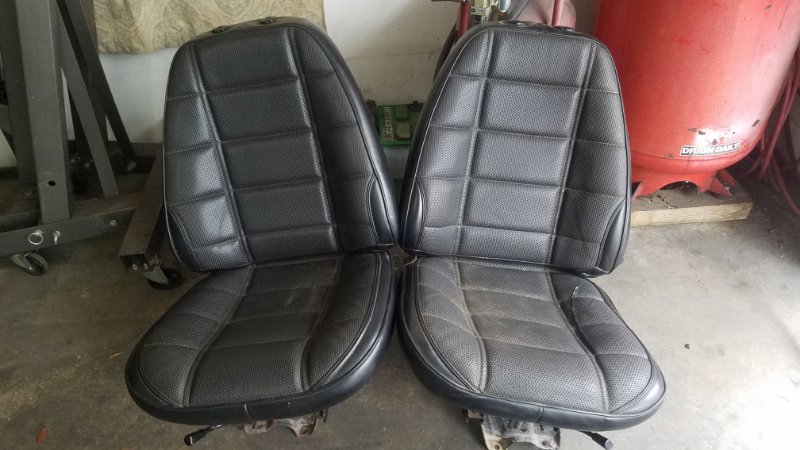
-
Silver Star 1991 Pioneer Build
kryptronic replied to kryptronic's topic in Member Projects: Your Comanches
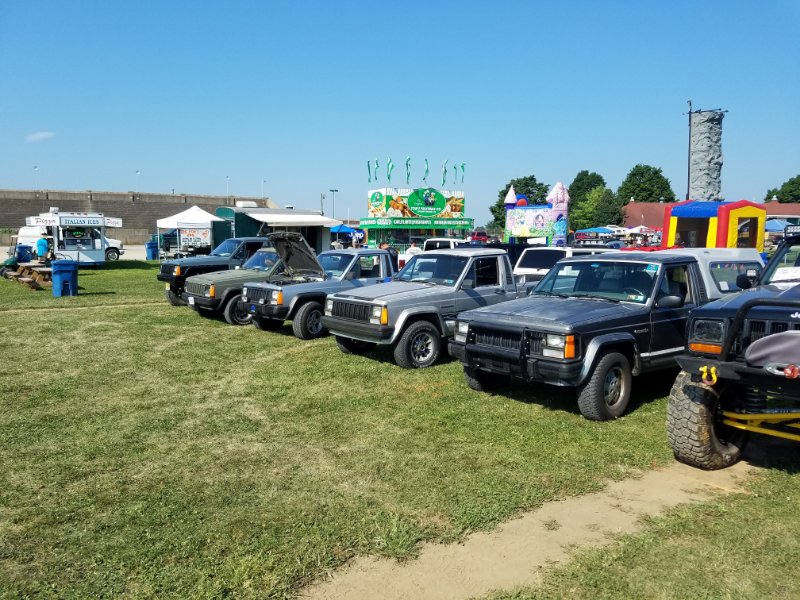
Spring 2019 - Fall 2019: The Purge and The All-Breeds Show Spring 2019 was a little rough, as that's when my second marriage broke up. We had been together for ten years, and our son was five years old at the time. So there was a bunch to deal with. The divorce was handled quickly and painlessly, and we're really good friends now, and we're parenting as a team. It's good, but it was life-changing. During all that, I looked around at all the projects I had going on. I had way too much on my plate, and I needed to purge a few vehicles. My ex sold her Green 2004 TJ, and I transferred the Blue 1998 XJ to her for her to use as her daily driver. I was able to sell the XJ parts vehicle and the 1991 MJ Eliminator (4.0L AW4 NP231) by July 2019. The 2018 JLU was sold in August 2019, and I sold the 1992 MJ SportTruck (4.0L AW4 2WD) in October 2019. This left me the 1991 MJ Pioneer (Silver Star), the 1995 YJ (this project underway again), and the 2013 JKUR (which is my daily driver). By December 2019, the driveway felt a little empty, so I purchased another automotive project (I know, but it's one I've wanted to do forever, and decided I'm ready for it). More on that in another thread later. In July 2019 we took Silver Star to the All-Breeds Jeep Show in York, PA. We held a Mid-Atlantic Comanche Club PowWow and several members showed up with their trucks. Comanche Club won an award for largest club participation. With the new Jeep truck having just been launched, the crowd really liked seeing the old Jeep trucks out and about. That's @Minuit's truck next to mine. It was really cool compare how our trucks were running as High Output examples like ours are rare in the wild. They sounded identical. Very cool stuff. We're hoping to do another PowWow and another show this year (2021) and represent strongly again.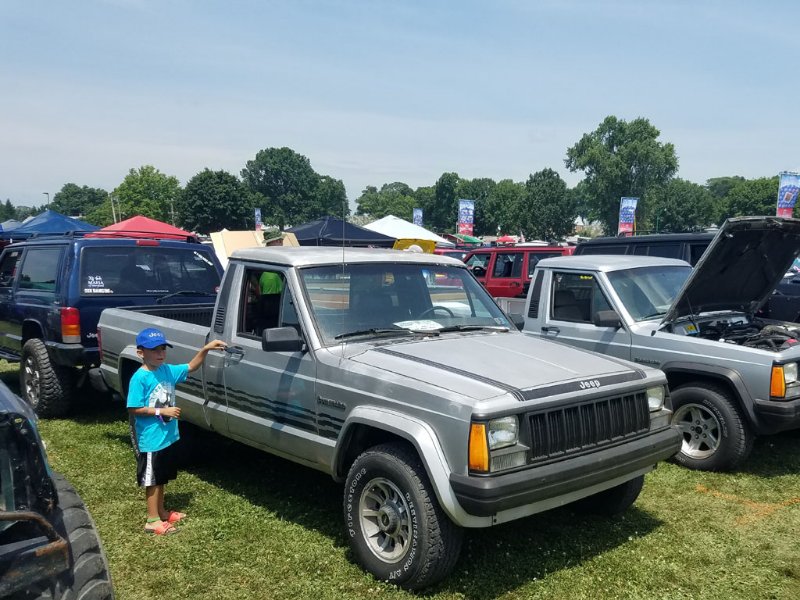
-
Should I buy this 76 Wrangler? What do you think its worth
kryptronic replied to McDougal's topic in The Pub
Somehow I missed that. I didn't realize the CJ-5 ran until 1983. The rear end of the tub is clearly CJ-5. -
Should I buy this 76 Wrangler? What do you think its worth
kryptronic replied to McDougal's topic in The Pub
FYI: Jeep didn't start making the Wrangler until 1987 when it introduced the YJ to replace the CJ-7. The CJ-7 you're looking at there is definitely worth $1000 in parts. It's probably worth $3000-4000 in parts. The front-end sheet metal, wheels and tires, seats, dash, rollbar, bumpers, etc. if all good will fetch good money. The drivetrain is antiquated and underpowered, but you could still make some money selling that too. A frame replacement is a major job. For the CJ-7, you can try to source an original rust free CJ-7 frame either by finding a frame, or finding a whole CJ-7 with a good frame under it, or I'm pretty sure you can use a YJ frame (1987-1995) with little modification. You can put a YJ tub on a CJ-7 frame, so I don't see why the inverse wouldn't be possible - and that would give you a wider track. You're going to have more than $1000 into getting a good frame or good donor with a frame. Then you've got to do the replacement. This doesn't look like a candidate for a frame replacement to me. It looks like the tub is shot. You basically have three major components to a Jeep of this type. You have the tub, the frame and the drivetrain. If one is bad, it's worth replacing. If two are bad, and the thing means nothing to you, it's worth is in it's parts. Check my YJ build in my signature (still ongoing) to see what a frame replacement job looks like. I decided to do a frame replacement on my YJ because the tub was otherwise perfect, and the drivetrain only has 35k miles on it. It only needed a frame replacement. Of course, I went down the rabbit hole of upgrading everything while I was at it, but that's another story. I'd say if you have time and need cash, buy it to part it. If there is something truly special about the Jeep and you must save it, it's a long hard road, but you can do it with a ton time and tools. It just doesn't sound to me like this particular CJ-7 is worth saving. -
I was thinking the Washinton code might represent DC. Woodbridge, VA is about an hour south of DC near Fredericksburg.
-
Thanks for posting this. I always thought it odd the build sheet showed Washington as the destination because the truck was with the original owner in the outer banks of North Carolina from 1991-2016. Everybody from that area buys vehicles in Virigina, so this new info makes a bunch of sense. Much appreciated.
-
All Breeds Jeep Show-Carlisle PA 2021-Possible CC Pow Wow?
kryptronic replied to 89 MJ's topic in The Pub
I shall be there too. I will host a cookout, and will make room for guests for the weekend too. Provided the show is on, and we can all be safe. -
All Breeds Jeep Show-Carlisle PA 2021-Possible CC Pow Wow?
kryptronic replied to 89 MJ's topic in The Pub
My truck will be there, for sure. -
Technically what you wrote is incorrect, however you understood it well enough :)
-
The short answer: http is dead Prior to 2015 or so, webservers used both the http protocol (unencrypted transmission of data), and the https protocol (SSL/TLS-based encrypted transmission of data) to serve content. Non-secure (http) connections were generally used when sensitive data was not present, and secure (https) connections were used when sensitive data was present. Originally the Internet only used the http protocol, and https was added later once the need to encrypt data transmissions became apparent. Due to overhead encrypting and decrypting data on older machines via https, only the data transmissions that needed to be encrypted were encrypted (hence the usage of both http and https URLs on websites up until around 2015). In September of 2015 all the major browser makers began issuing warnings and disabling content loading on http-based websites. In early 2016, the search engines started penalizing http-based sites in search rankings - giving priority to fully secure https-based sites. By 2015 the overhead needed to encrypt and decrypt https transmissions was negligible due to advances in technology, and increased computing power. Everybody started pushing to make websites fully secure, serving all pages with https (full SSL/TLS all the time). In early 2019 all the major browser makers began failing to load content outright for http-based websites. At this point, software makers like Invision (who build this forum software) have began to include coding which prevents loading http-based resources into their software. When you post an image link with an http-based URL at this point, the forum software basically looks at that like insecure junk and strips it. It is insecure junk. This site (comancheclub.com) runs full SSL all the time, all pages. If you were actually able to include an http-based image into a forum post here, it wouldn't be displayed (or might be displayed after the browser issues tons of warnings during output of the page). So the only valid URL for an image is an https-based URL, and if you copy/paste a valid image tag/URL into this forum software, it will do what you want. Stay away from http-based URLs. Further on this, due to the unreliability of remote image hosts (reference the PhotoBucket debacle from a couple of years ago), I'd highly recommend saving your images directly to comancheclub.com when making your post. That puts the images you upload in this site's care, and I'm pretty sure @Pete M would never hold them for ransom, or shut the site down without notice, or limit your ability to get the images. Now, back to your build thread - which is awesome...
-
I owned a 1996 Toyota Lancruiser in the early 2000s. Excellent vehicle. The only issue I ever had with it was the quarter windows leaked during heavy rain. When I had mine, the Landcruiser was knows as the vehicle you want to drive when you absolutely, positively have to get the serum to the villagers. They're built well, like our Jeeps, and should go 300k miles on the original drivetrain,
-
Front Leaf Spring Conversion
kryptronic replied to FancyManche's topic in MJ Tech: Modification and Repairs
The above statements are completely wrong. Further, the track bars on leaf sprung Jeeps like YJs were put there solely to satisy the government due to CJ rollover issues. They do nothing to make the suspendion work better - they bind the suspension under movement and cause issues. This is a very accurate, concise definition of death wobble for anyone that doesn't know what it is. -
I second the suggestion for a Smith and Wesson M&P 15. Everything @Dzimm said is dead on balls accurate. I've built high end ARs and shot them competitvely. They're a good long range weapon, but not as good as a scoped high caliber rifle. They're a good short range weapon, but not as good in close quarters as a tactical shotgun or a pistol. The AR does it's best work in the 20-150 yard range. As such, I feel iron sights work perfectly on the AR. I use a carry handle sight, myself after having gone through scopes, red dots, holographics, etc. My advice: Get the base M&P 15 with the flip up reqr sight. It's got the best barrel out there, and is designed for modern ammunition. Run only 5.56 brass through it, no cheap steel ammo. Run it like that for a while. Resist the urge to upgrade and spend tousands chasing a 1000 yard shooter as the interwebs would have have you believe is necessary.